
Queen Camilla said she “stands in solidarity” with survivors of abuse in what has been interpreted as a thinly veiled reference to Andrew Mountbatten-Windsor and the Jeffrey Epstein scandal.
On Tuesday, the Queen, 78, gave a powerful speech at St James’s Palace to mark International Women’s Day, with guests including Helen Mirren, Miriam Margolyes, and Hannah Waddingham.
Speaking as president of the Women of the World (WOW) group, Camilla wore a badge saying “Shame Must Change Sides” and told survivors of domestic and sexual abuse: “You are not alone.”
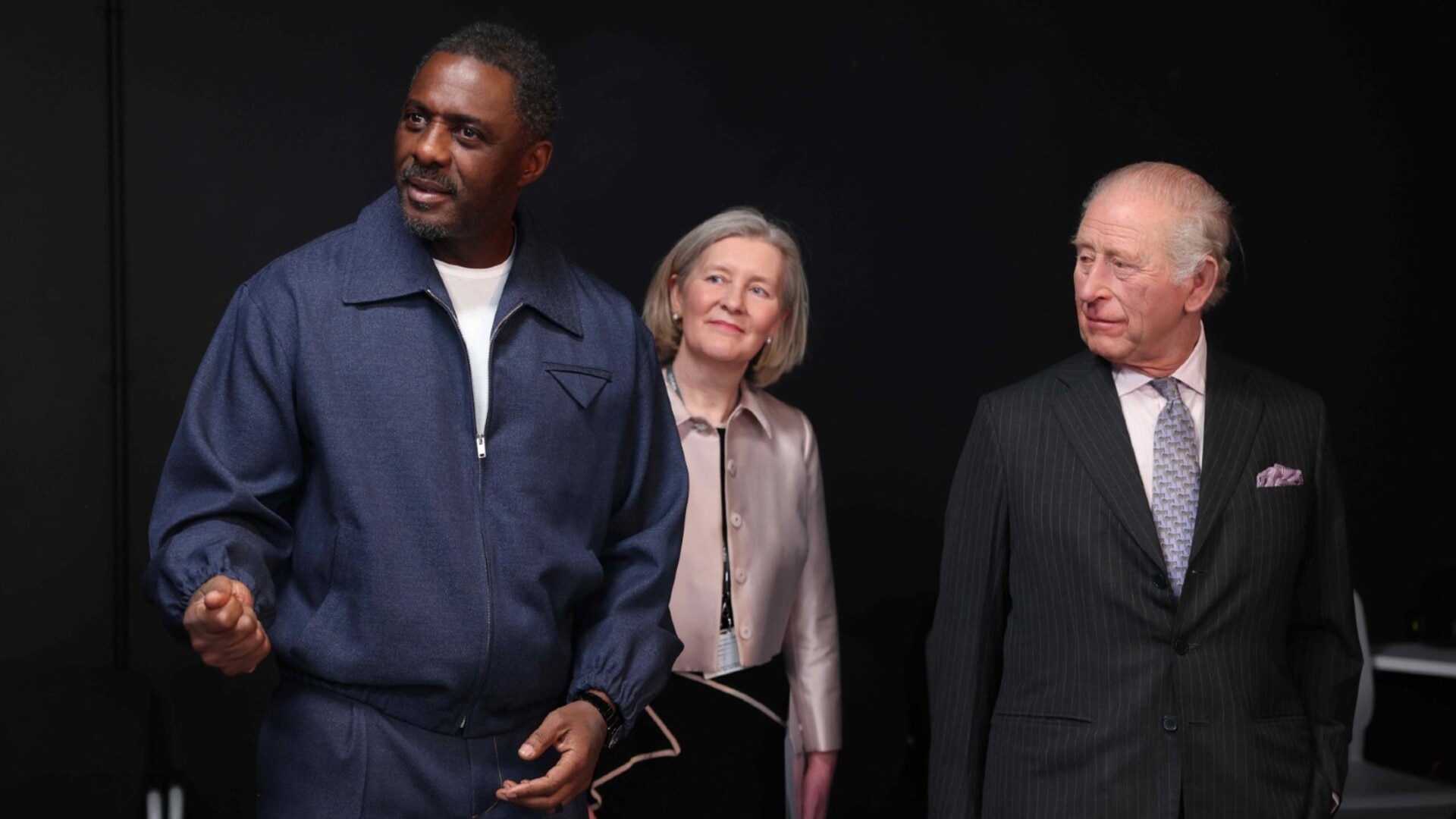
“To every survivor of every kind of violence, many of whom have not been able to tell their stories or who have not been believed, please know that you are not alone,” the Queen told guests.
“We stand with you and alongside you, today and every day, in solidarity, sorrow and sympathy.”
Her speech comes as the Royal Family is navigating the ongoing fallout from the Epstein scandal and Andrew’s arrest last month.
The former Duke of York, 66, has been heavily implicated in the scandal after he was named hundreds of times in the US Department of Justice’s documents.
When asked whether Camilla’s speech was a reference to Andrew and Jeffrey Epstein, a Buckingham Palace spokesman said: “I think Her Majesty’s speech speaks for itself.”
Camilla has not previously commented on the allegations against Andrew outside of official statements released by King Charles.
Following his brother’s arrest on suspicion of misconduct in public office, the King, 77, shared his “deepest concern” and said the police “have our full and wholehearted support” in their investigations.
After spending almost 12 hours in custody on February 19, Andrew was released without charge but remains under investigation.
He has continually denied any wrongdoing.
Earlier this year, Camilla, who has been a long-time campaigner against domestic violence and sexual abuse, shared her own experience of sexual assault.
The Queen revealed she was physically assaulted on a train when she was a teenager, and described how the incident left her “furious” for many years.
“I was reading my book, and you know, this boy, man, attacked me, and I did fight back,” she told BBC Radio 4’s Today programme.
“I remember getting off the train and my mother looking at me and saying: ‘Why is your hair standing on end?’ and ‘Why is the button missing from your coat?’
“But I remember anger, and I was so furious about it, and it’s sort of lurked for many years.”
Camilla added that speaking openly about violence and abuse could help others process trauma.