Energy Minister Simon Watts defended the plan last week, even as Ras Laffan, a major LNG export facility in Qatar (the world’s third largest LNG exporter), sustained extensive damage likely to dent supply to the world market, possibly for years.
The attack by Iran on the Qatar facility is just the latest in a series of events in the unfolding war in the Middle East that has sent world LNG prices soaring.
New Zealand’s domestic gas production is in steep decline – likely linked, in part, to the previous Labour-led Government’s oil and gas ban on most new exploration. However, gas remains an important back-up fuel for the electricity grid in dry years, when water levels in the hydro-electric dams are low, and it is also important for smoothing the intermittent electricity production of rising volumes of wind and solar generation.
LNG imports, depending on how soon they’re available, are also likely to help some commercial and industrial natural gas users to continue in business, though this will be price dependent.
Watts noted the cost of procuring an LNG import facility remains “within expectations” and the process should be completed in the current calendar year. Watts previously indicated that the Government intends to buy LNG supplies on the spot market and would not buy futures or hedge contracts to limit New Zealand’s exposure to high prices; however, this thinking appears to be shifting.
The $4m of reallocated funding is in addition to $7.64m in last year’s Budget for the LNG plant purchase (then referred to simply as a short-term procurement project) and advice on decisions arising from the independent review of the electricity market.
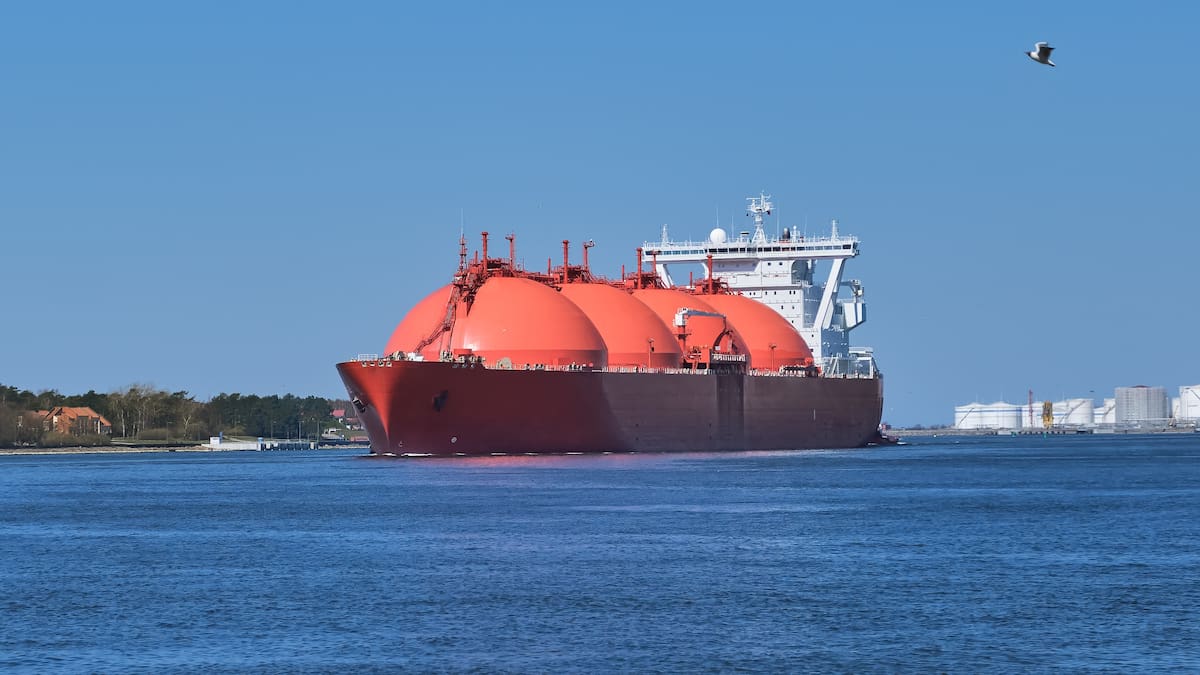
The estimated cost for the controversial plan is $1.35 billion to $2.7b over about 15 years (not including the actual natural gas supplies) and the facility, likely to be a repurposed vessel, remains uncontracted; the uncertain hope is that it will be operational as early as winter 2027.
The cost is expected to be passed on to the electricity market, and hence electricity consumers, through levies.
Officials at the Ministry of Business, Innovation and Employment (MBIE) are in the process of contracting the facility and associated infrastructure and aim to finalise commercial terms by mid-year.
The budget
MBIE policy director Rebecca Heerdegen confirmed spending and budgeted spending of $8m on procurement and related costs for the LNG plant to date, the total includes a $4m “allowance for cost escalation, and potential additional expenditure” for additional contractors, professional services, and other costs.
MBIE provided the figures under the provisions of the Official Information Act. It has not yet responded to a request for a full breakdown of outside suppliers, but noted key consultants on the project are engineering and procurement firm Worley, global law firm Herbert Smith Freehills Kramer, and local law firm Russell McVeagh.
Actual costs for the LNG project were $600,000 in 2025: $110,000 went on contractors; $270,000 on consultants; $160,000 on dedicated fixed-term staff; and $70,000 on internal commercial services.
That is expected to ramp up considerably this year. A total of $3.7m is budgeted for 2026: $800,000 for contractors; $2.3m for consultants; $460,000 for dedicated fixed-term staff; and $140,000 for internal commercial services. There is also a $4m “additional allowance”.
The cost of MBIE staff is not included in the budget and has not been estimated for the project.
Possibilities for cost escalation
There are several areas of spending that may increase depending on whether officials can contract for the Government’s preferred “accelerated delivery” facility over the coming months.
If an early delivery plan to enter into use in 2027 or thereabouts is not secured, an altered procurement process for later delivery may drag past mid-year, incurring additional expense, though Watts said he does not expect this to happen.
In addition, the Government may choose to buy hedges to limit its exposure to supply costs. While Watts’ December Cabinet Paper notes supplies for the terminal are likely to be purchased on the spot market, there are signs this early view is shifting.
MBIE has work underway to “consider how best to operate an LNG supply model” and a spokeswoman said that outside expertise has been hired to consider related matters.
Watts confirmed “officials are investigating the full range of options for the procurement of LNG supply” and did not rule out the possibility the cost of hedges could increase the levies passed on to the electricity sector and hence consumers.
He said further decisions on levy design will be made later in the year.
Watts has emphasised that the monetary value of LNG and the energy security it will provide will be in draining the significant risk premium from forward electricity prices; this, he said, will eclipse the cost.
“In the weeks following the Government’s early February LNG announcement, forward wholesale electricity prices dropped significantly,” he said.
Electricity Authority data bears this out, however, it also shows long-dated futures prices for electricity have been rising again since the beginning of March, coincidental with the outbreak of war in the Middle East.
Labour’s energy spokeswoman Megan Woods said LNG imports will “make us even more vulnerable to price hikes and overseas instability”.
Green Party co-leader Chlöe Swarbrick said the LNG plan originally looked “silly” and now, in light of the war and the current closure of the Strait of Hormuz – a key shipping lane for more than a fifth of the world’s oil and gas supply – it looks more like “utter insanity”.
Labour and the Greens favour renewable energy solutions to bolster the electricity grid and energy security.
But official and independent advice to the Government has emphasised the electricity grid needs more fossil-fuelled thermal power to provide certain back-up to renewable generation. The independent advice to the Government on whether imported natural gas is a good solution to this problem is more mixed.