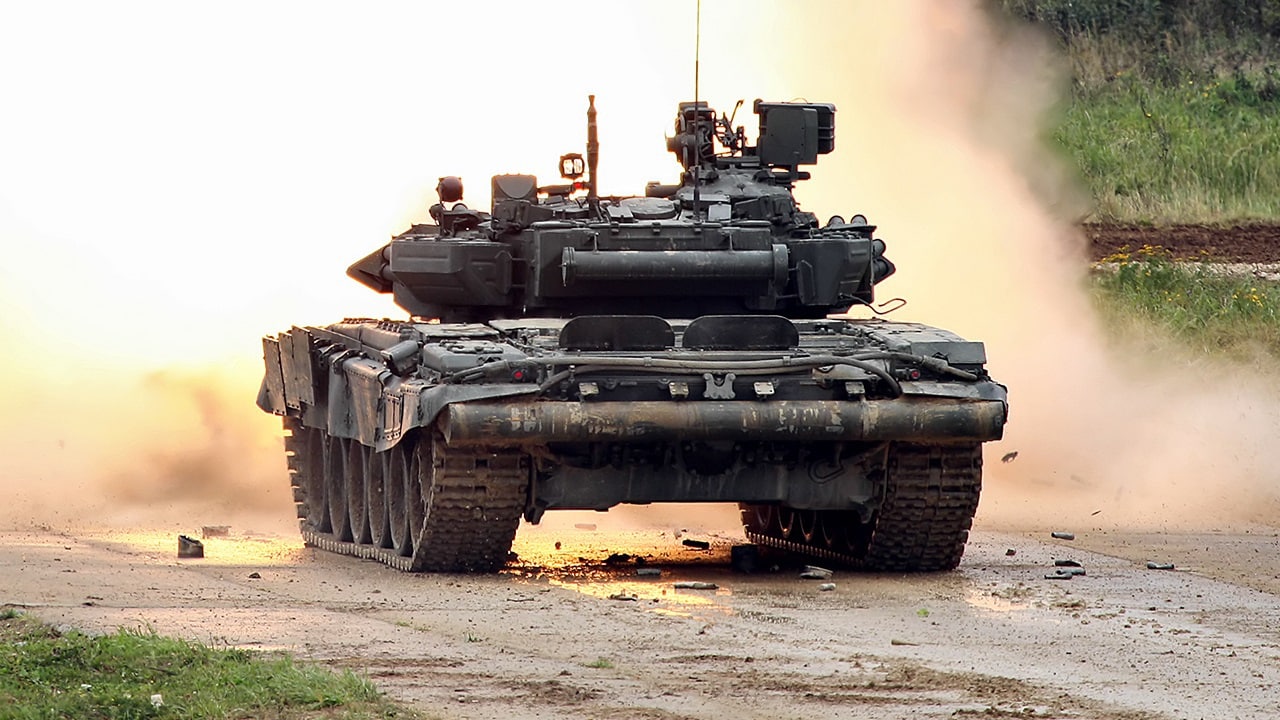
The Russia-Ukraine War is now entering its fifth spring. In February 2022, few (perhaps none) guessed that the war would last longer than the Eastern Front of World War II, but here we are. A quarter million or more Russians have died, along with nearly 200,000 Ukrainians.
Russia’s economy has been disfigured by military mobilization, leading to high inflation, elevated interest rates, and a collapse of the technology sector.
Moscow has remained afloat by increasing its dependence on China, Iran, North Korea, and India, but has watched as allies and proxies have collapsed around the world.

MSTA Artillery from Russian Army.
There can be no question that the costs to Russia have vastly exceeded what Putin expected when he launched the conflict. Indeed, they have grown beyond what any country might rationally have expected to gain from the conflict.
Nor were these costs wholly unpredictable.
There’s a reason why so many observers, including Europeans, Russians, and Ukrainians, rejected the evidence in front of their eyes in February 2022.
Invading Ukraine did not make long-term sense for Russia, EVEN IF the operation had met the wildly optimistic timetables set by Russia’s leadership. Sanctions would have deformed Russia’s economy even as Moscow could have found itself contesting an extended Ukrainian insurgency, potentially backed by the Europeans.
Why? No sane leader would have launched this conflict in full knowledge of the costs that it would inflict, so why has Putin determined to continue the war despite this toll?
The short answer is that while the war has imposed immense costs on Russia, at no point have the anticipated costs of continuing the conflict exceeded the anticipated costs to Putin of concluding a peace. Russia has paid immense upfront costs and has permanently alienated not only Ukraine but wide swaths of Europe and Asia.
Against this, continuing the war in hopes of regaining some of those losses has always made more sense than throwing in the towel.
Before the US election, the Russian leadership could believe that the return of President Donald Trump would result in a quick end to support for Ukraine and, consequently, a quick and acceptable end to the war.
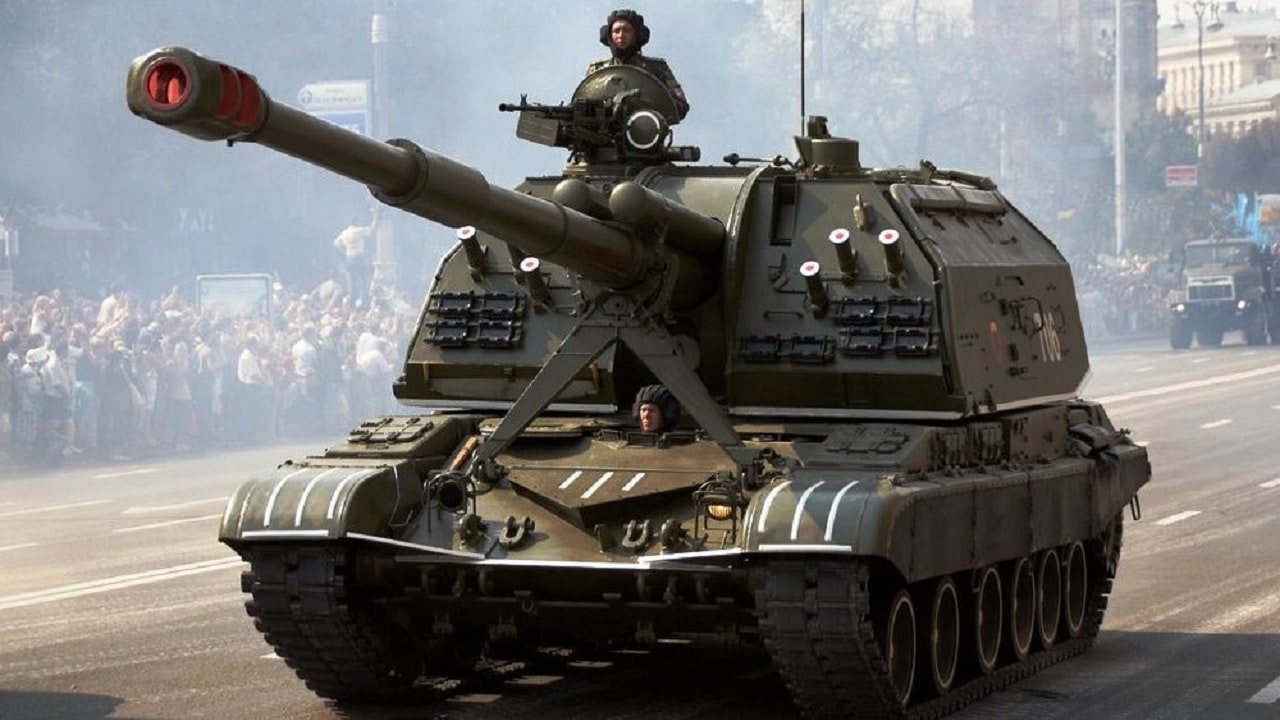
2S19 Msta S of the Ukrainian Army. Artillery used in Ukraine War.
Trump has hardly been a boon to Ukrainian aspirations, but he has not met Russian expectations at all.
Weapon shipments to Ukraine have continued, albeit through intermediaries. Sanctions have been relaxed but not eliminated. Most critically, US intelligence continues to fuel the Ukrainian war machine.
Even given his tepid support for Ukraine, Donald Trump has facilitated the killing of more Russians and the destruction of more Russian infrastructure than any American other than Joe Biden.
And Russia has no answer except to keep plugging, hurling more soldiers at the front in order to gain a few square miles of territory, all in the hope that this year, finally, the Ukrainian government will collapse.
A related problem is that half-measures do not serve Russia’s interests. The decision to invade in February 2022 represented a decision on the part of Russia to give up on its effort to control the Ukrainian political system.
Since Ukraine’s independence, Russia has bitterly fought against the establishment of a Ukrainian government with the legitimacy and state capacity to resist Russian influence.
This has included facilitating widespread corruption, organized crime, infiltration of state institutions, disruption of party politics, and both the threat and reality of violence against important Ukrainian political actors.
2014’s Maidan uprising dealt a blow to this strategy, a defeat that Russia compounded by the rapid seizure of Crimea and parts of the Donbas.
Putin’s rash decision turned a short-term setback into a generational conflict, rewriting the fault lines of Ukrainian politics and cutting the legs from underneath pro-Russian voices in Ukraine.
This became strikingly apparent in the person of Volodomyr Zelensky, who was elected with a mandate to resolve the conflict with Russia but was unable to either appease Moscow or bring Ukrainians into line.
To Putin, it seemed (and seems) that the only way to resolve the problem he had created for himself was to establish military control over the Ukrainian political system and turn Ukraine into a somewhat larger version of Belarus. When that failed, grinding Ukraine into dust became the best of a bad lot.
US efforts to force a cease-fire upon Russia and Ukraine have been ham-fisted and inept, characterized by a lack of professionalism in the negotiating team and an incomplete understanding of the situation.
Why Russia Won’t Terminate The War Just Yet
Yet even President Trump and his associates seem to be coming to the slow realization that the primary obstacle to peace does not reside in Kyiv but in Moscow.
If this war does not end in outright military victory (and there is little reason to think it will for either side), it will only end when Russia perceives that there is little to no hope for further success on the battlefield and that the costs of continued war exceed any plausible calculation of the benefits.

HIMARS Training: Credit – Wisconsin National Guard / Sgt. Sean Huolihan. Wisconsin National Guard / Sgt. Sean Huolihan
But given the extent to which Putin has invested his own personal prestige in victory, this decision may yet be a long-time coming.
About the Author: Dr. Robert Farley
Dr. Robert Farley has taught security and diplomacy courses at the Patterson School since 2005. He received his BS from the University of Oregon in 1997 and his Ph. D. from the University of Washington in 2004. Dr. Farley is the author of Grounded: The Case for Abolishing the United States Air Force (University Press of Kentucky, 2014), the Battleship Book (Wildside, 2016), Patents for Power: Intellectual Property Law and the Diffusion of Military Technology (University of Chicago, 2020), and most recently Waging War with Gold: National Security and the Finance Domain Across the Ages (Lynne Rienner, 2023). He has contributed extensively to a number of journals and magazines, including the National Interest, the Diplomat: APAC, World Politics Review, and the American Prospect. Dr. Farley is also a founder and senior editor of Lawyers, Guns and Money.