
The streets of the ultra-Orthodox Jerusalem neighborhoods of Mea Shearim and Geula were packed with shoppers Monday evening, even as war with Iran threatened to dampen the Passover holiday.
Many businesses around the country have suffered due to travel restrictions and fears of missile fire. Here, the main commercial streets were as busy as ever, with people buying clothing, housewares, gifts, and kosher-for-Pesach food products that would enhance their enjoyment of the festival of freedom.
“I know that life has come to a standstill in other parts of Jerusalem, but here, life continues as usual, and people are out if there is no war,” said Arik, a seller of religious books at the Geula Avenue Book Shop. “There aren’t any tourists this year, so sales of our English books have been down a bit, but most stores here are operating as normal.”
Amid heavy car and foot traffic, and with holiday music blaring out of storefronts, many were pushing strollers and shlepping (carrying) large shopping bags overflowing with the day’s purchases.
The crowded streets bordered on chaos, as ultra-Orthodox families came out in droves for one of the biggest shopping periods of the year, two days before the beginning of Passover on Wednesday night. With matzahs already baked and purchased last week, and with food packages for the poor already distributed, religious families will be conducting the ritual search for hametz, unleavened bread, in their homes on Tuesday night, and be busy with cooking and final preparations for the holiday.
Get The Times of Israel’s Daily Edition
by email and never miss our top stories
By signing up, you agree to the terms
For many stores in the center of Jerusalem, including at the Mahane Yehuda market, sales to overseas tourists comprise more than half of all revenues, so the near-complete stoppage of travel during the busiest shopping season of the year has been an economic disaster, vendors told The Times of Israel.
But in the Geula area, arguably the capital of ultra-Orthodox Judaism in Israel, customers are predominantly local, and dedicated to celebrating the Passover holiday without compromise.
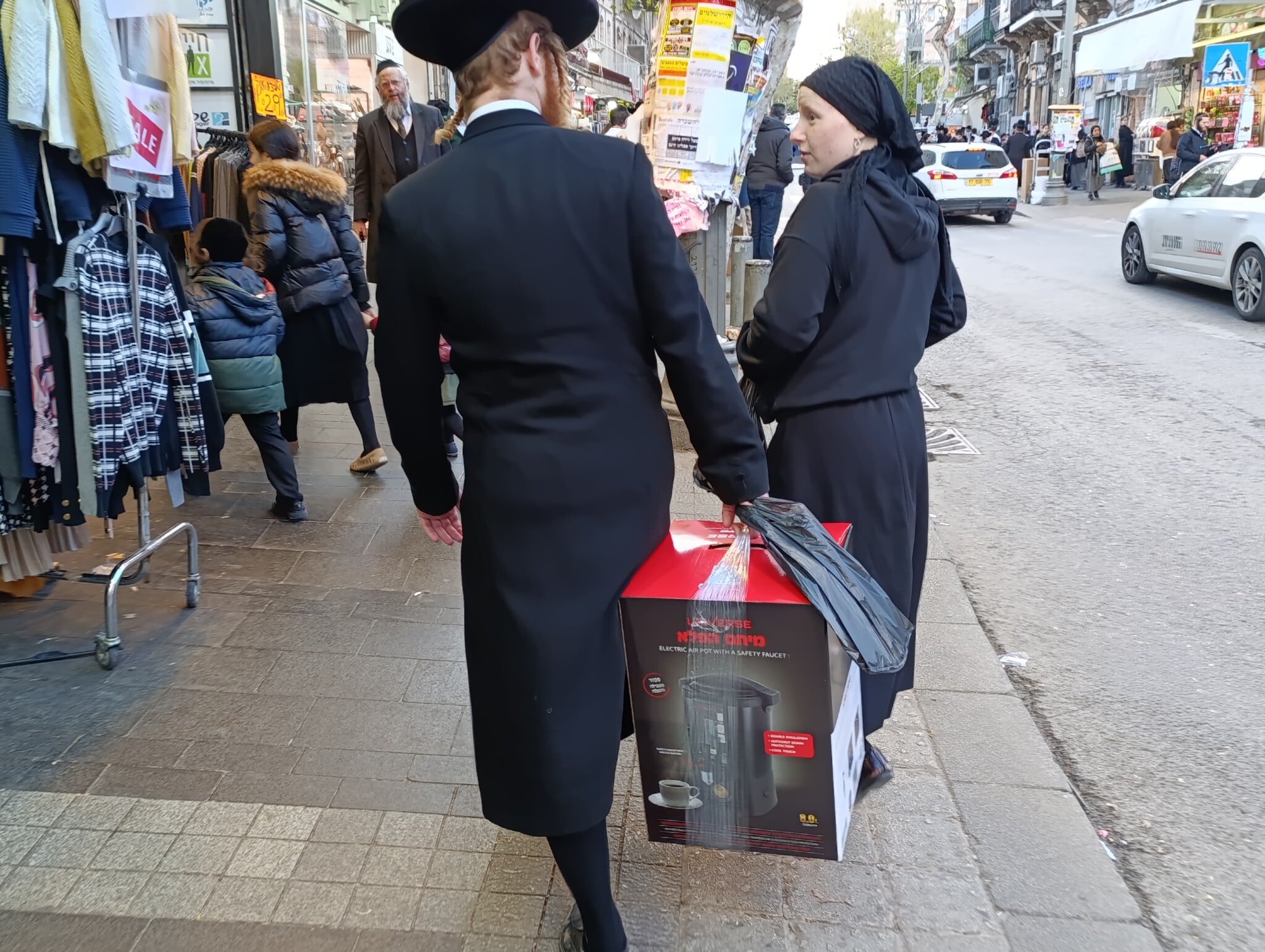
Ultra-Orthodox shoppers prepare for Passover in Jerusalem, March 30, 2026 (Zev Stub/Times of Israel)
“We’re observing the holiday as we always do,” said Akiva, a yeshiva student living in Jerusalem. “It’s not exactly how we would like it to be this year, with missiles flying and soldiers fighting on our behalf, but we trust in God. Israel is still the safest place for us to be, without antisemitism everywhere like in the Diaspora.”
Among the pre-Passover preparations underway was Ha’agalat Keilim, the immersion of dishes into boiling water to make them fit for Passover use. On a small street off the main drag, a young man stood for hours over gigantic vats of steaming liquid, dipping pots and silverware for customers.
With so much to do ahead of the holiday, many were rushing through the streets, anxious to finish their chores before a rocket siren could disrupt their plans. But some, like a trio of overseas yeshiva students whose flights had been canceled, were also there to enjoy the scene.
“We were planning on going home for the holiday, but now we can’t,” said Gabi from Australia, who was out with his schoolmates Josh and Gadi from the English-speaking Ohr Sameach religious seminary.
“Some of the guys rebooked flights through Egypt, but we decided to stay. The school is providing food and setting us up for Seder night, so we’re okay. The war has put a damper on everything, but we are still excited about the holiday.”
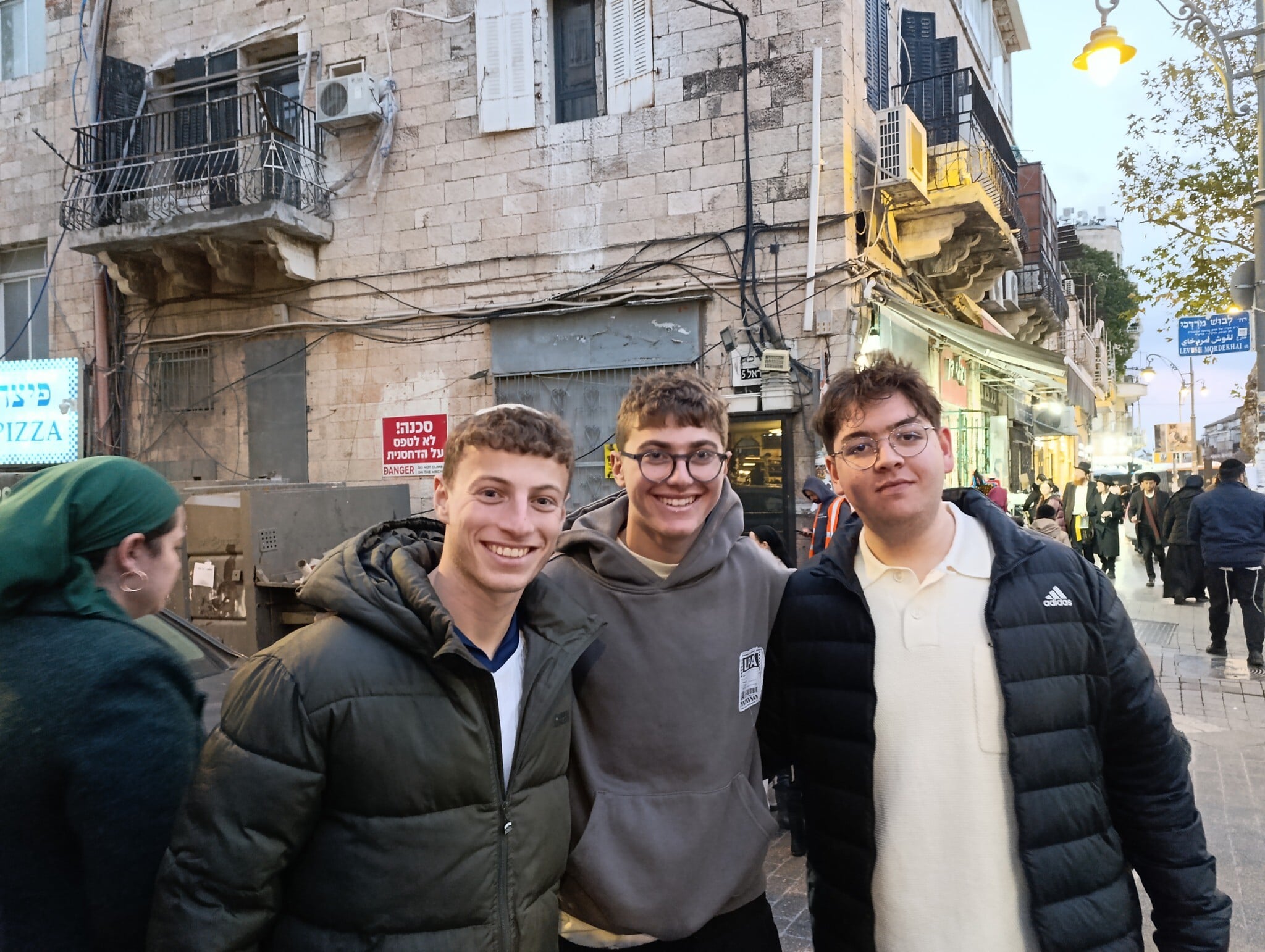
Overseas yeshiva students Gabi, Josh and Gadi shop on Geula Street in Jerusalem before Passover, March 30, 2026 (Zev Stub/Times of Israel)
Northern Jerusalem didn’t get any missile warnings on Monday evening, but when the sirens sound, people within the Haredi community have obeyed Home Front Command guidelines and entered underground shelters, vendors said. Arik, the book seller, scrolled through videos from his phone of people running to a massive nearby shelter in one recent incident.
“Within a minute after the early warning, everyone was scrambling to the stairs,” he recalled, as he juggled customers jostling for service in front of his store.
One kilometer and a world away
Meanwhile, just a kilometer away, at Jerusalem’s Machane Yehuda shuk, the scene was starkly different. Foot traffic at the city’s famous open-air market, normally packed at this time of year, was noticeably lower than usual.
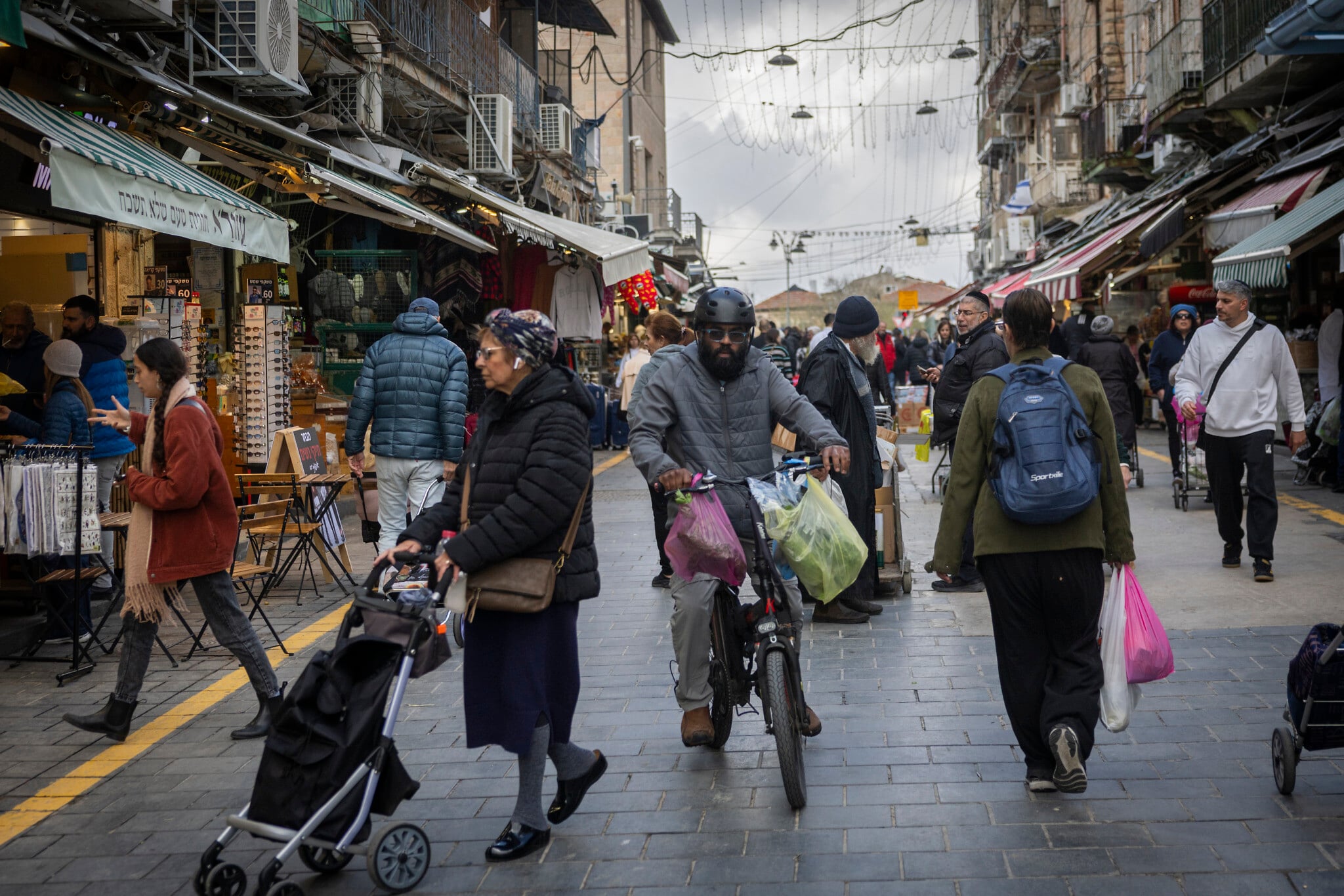
Pre-Passover shoppers at the Mahane Yehuda Market in Jerusalem, March 30, 2026. (Yonatan Sindel/Flash90)
“The market is completely dead this year,” said Yosef, a vendor at the Totzeret Haaretz dried fruit stand. “It’s about a quarter of what it usually is.”
Generally speaking, Yosef said, about 60-70 percent of shoppers at the shuk are tourists, and many people come because they enjoy the market’s unique atmosphere. This year, however, both of those elements are lacking.
“In Mea Shearim, people are coming from the local neighborhoods,” he said. “Here, things are different this year.”
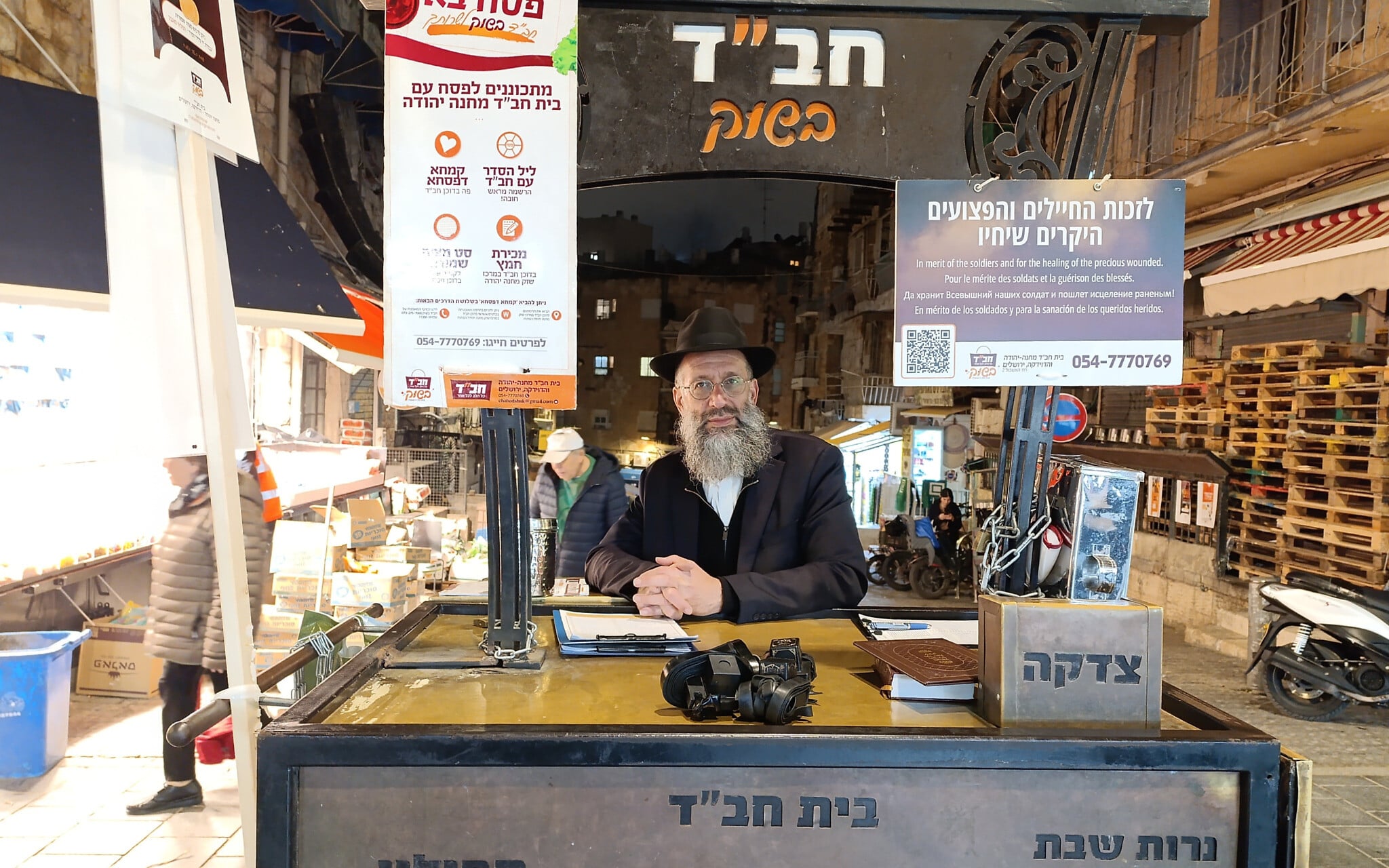
A Chabad rabbi in the Mahane Yehuda market offers to sell people’s Hametz (unleavened bread) before Passover, March 30, 2026 (Zev Stub/Times of Israel)
Yarden, a Jerusalem resident walking her dog in the shuk, said she was sad that she wasn’t going to spend Seder night with her family in Haifa this year, due to the dangers of Hezbollah rocket fire in the north.
“They are staying there, despite the missiles, because they have nowhere else to go,” she said. “I’m afraid for them, but I’ll be spending the holiday at home here in Jerusalem unless things change quickly.”
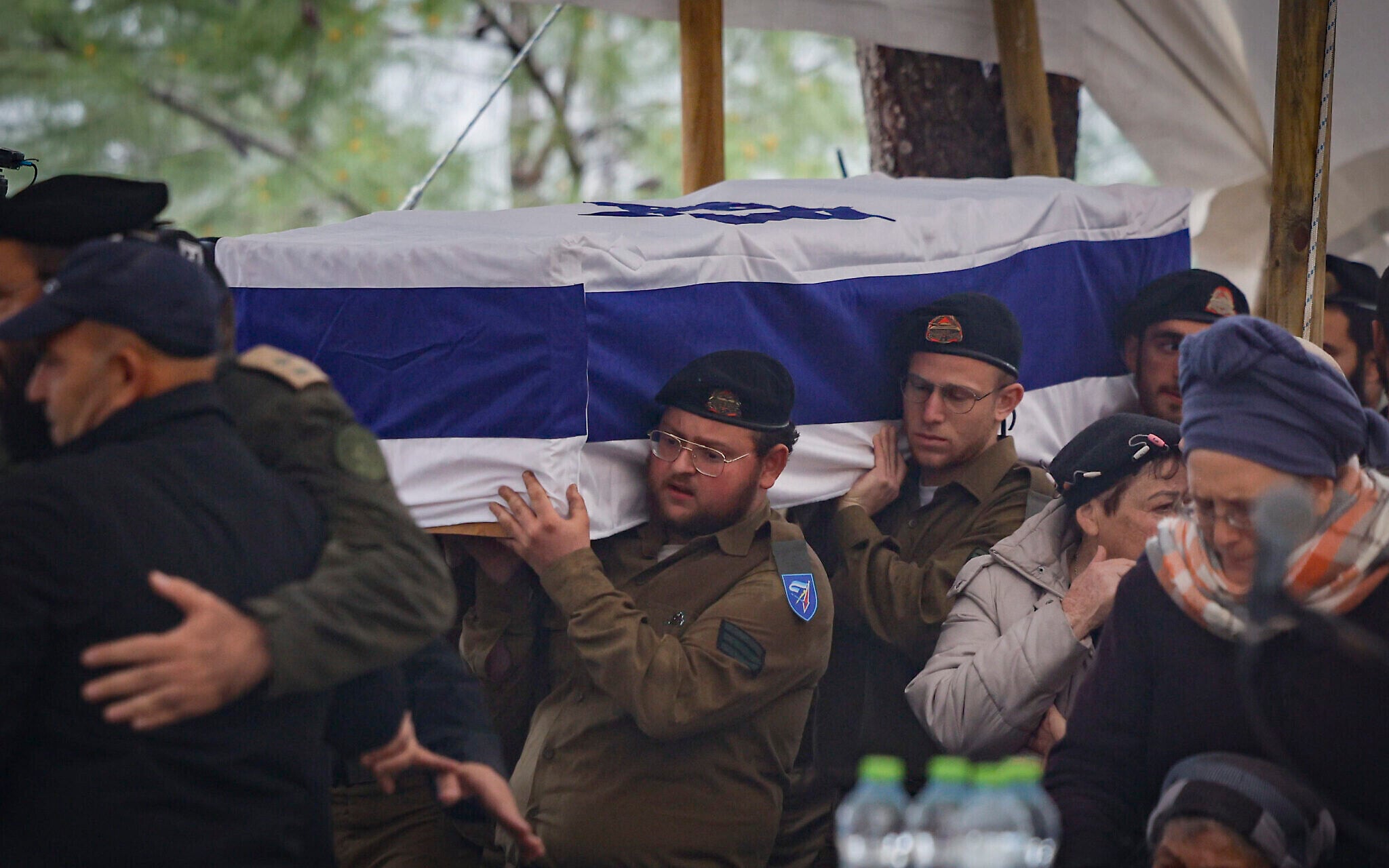
Family and friends of IDF Sgt. Aviaad Elchanan Volansky attend his funeral at the Mount Herzl Military Cemetery in Jerusalem, on March 27, 2026. (Oren Ben Hakoon/Flash90)
Meanwhile, one shopper offered a reminder that the Passover festivities come at a time when many Israelis are struggling to maintain a sense of normalcy while grieving the war’s losses.
“The truth is, this is a very difficult time for me,” said Emunah, who was doing some last-minute preparations with a close friend. “My cousin, Aviaad Elchanan Volansky, was just killed last week fighting in Lebanon, and my family is mourning his loss.
“He was very humble and loved by everyone, so this a very painful and difficult time for me,” she said. “I just hope all this fighting ends with a victory that will bring us peace. Amen.”