Lenten campaign 2026
This content is free of charge, as are all our articles.
Support us with a donation and enable us to continue to reach millions of readers.
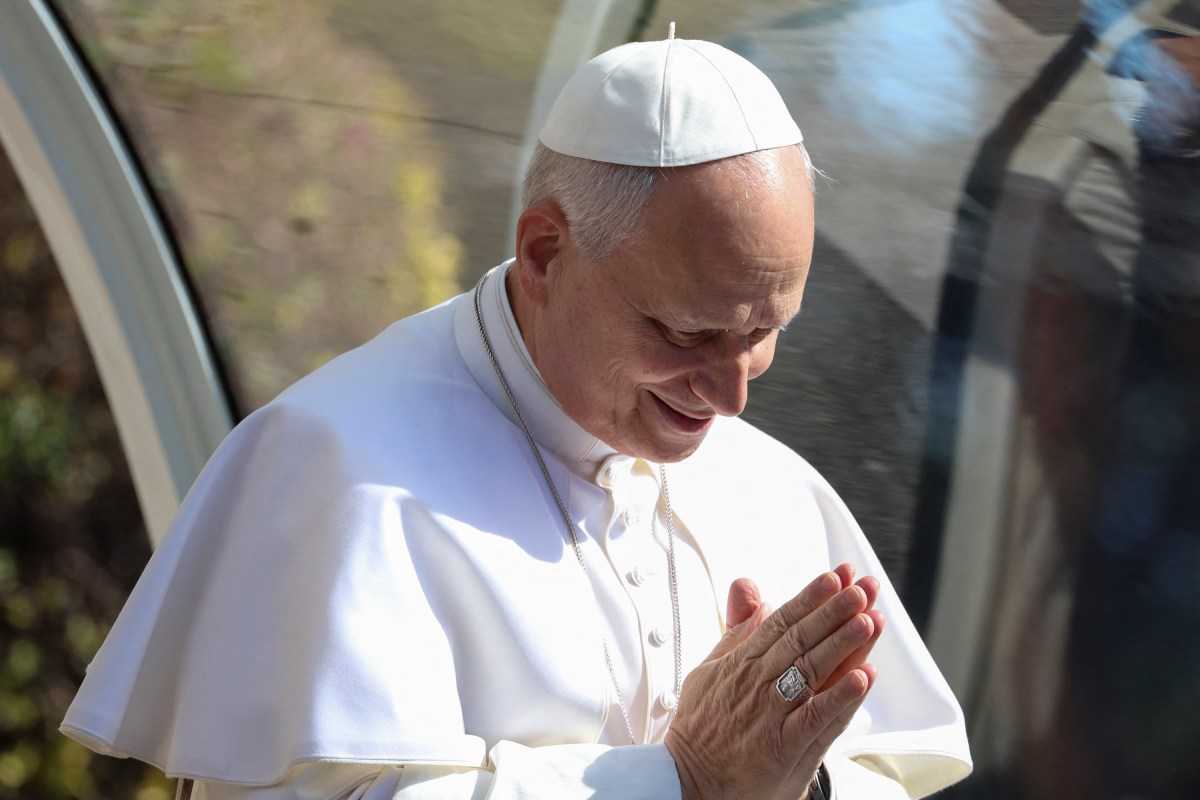
On March 30, 2026, in the Vatican Apostolic Palace, Pope Leo XIV welcomed a delegation from his home state — the Illinois Municipal League — offering a message that reached beyond politics into the heart of Christian service.
The timing was no coincidence. As the Church commemorates the passion, death, and resurrection of Christ, the Holy Father invited these public servants to see their work through the lens of the Paschal Mystery. Even the most difficult realities, he noted, can be transformed by love. Suffering may not always be eliminated, but it can be given meaning — restoring dignity and opening a path toward new life.
For leaders tasked with governing cities and towns, this insight carries practical weight. Authority, the Pope reminded them, finds its true meaning in service. Christ Himself “came not to be served but to serve,� a model that challenges modern assumptions about power. In civic life, this translates into a commitment to the common good that prioritizes the most vulnerable: the poor, immigrants, and those often overlooked in public discourse.
The Pope’s words echoed the witness of Giorgio La Pira, the former mayor of Florence known for his deeply Christian approach to politics. La Pira once wrote that leaders must alleviate suffering “with all of the measures that love suggests and the law provides.� It is a vision of governance that does not separate compassion from policy, but sees them as inseparable.
At the heart of this message lies a simple but demanding principle: to govern well, one must first listen. Municipalities, the Pope observed, are not anonymous systems but communities with faces, histories, and hopes. Effective leadership begins by recognizing the dignity of each person and understanding their aspirations as well as their struggles.
This attentiveness fosters what the Holy Father described as “genuine encounter.� In an age often marked by division and fragmentation, cities can become places where people truly meet—across differences, across cultures, and across economic lines. Such encounter is not accidental; it is the fruit of leaders who intentionally create spaces for participation and flourishing.
The address also carried a note of encouragement. Public service, with all its pressures and complexities, can be sustained by joy, love, and zeal when rooted in a deeper purpose. The Pope reminded his guests that those in authority are, ultimately, servants of God. This perspective reframes daily responsibilities, inviting leaders to see their work as part of a larger moral and spiritual vocation.
In a particularly fitting gesture, he entrusted the delegation to the intercession of Frances Xavier Cabrini. Known for her tireless service to immigrants in Chicago, Cabrini embodies the very ideals the Pope set before them: practical charity, unwavering faith, and a deep commitment to human dignity. Her example underscores the enduring connection between faith and public life. While policies and programs may change, the call to serve with love remains constant.