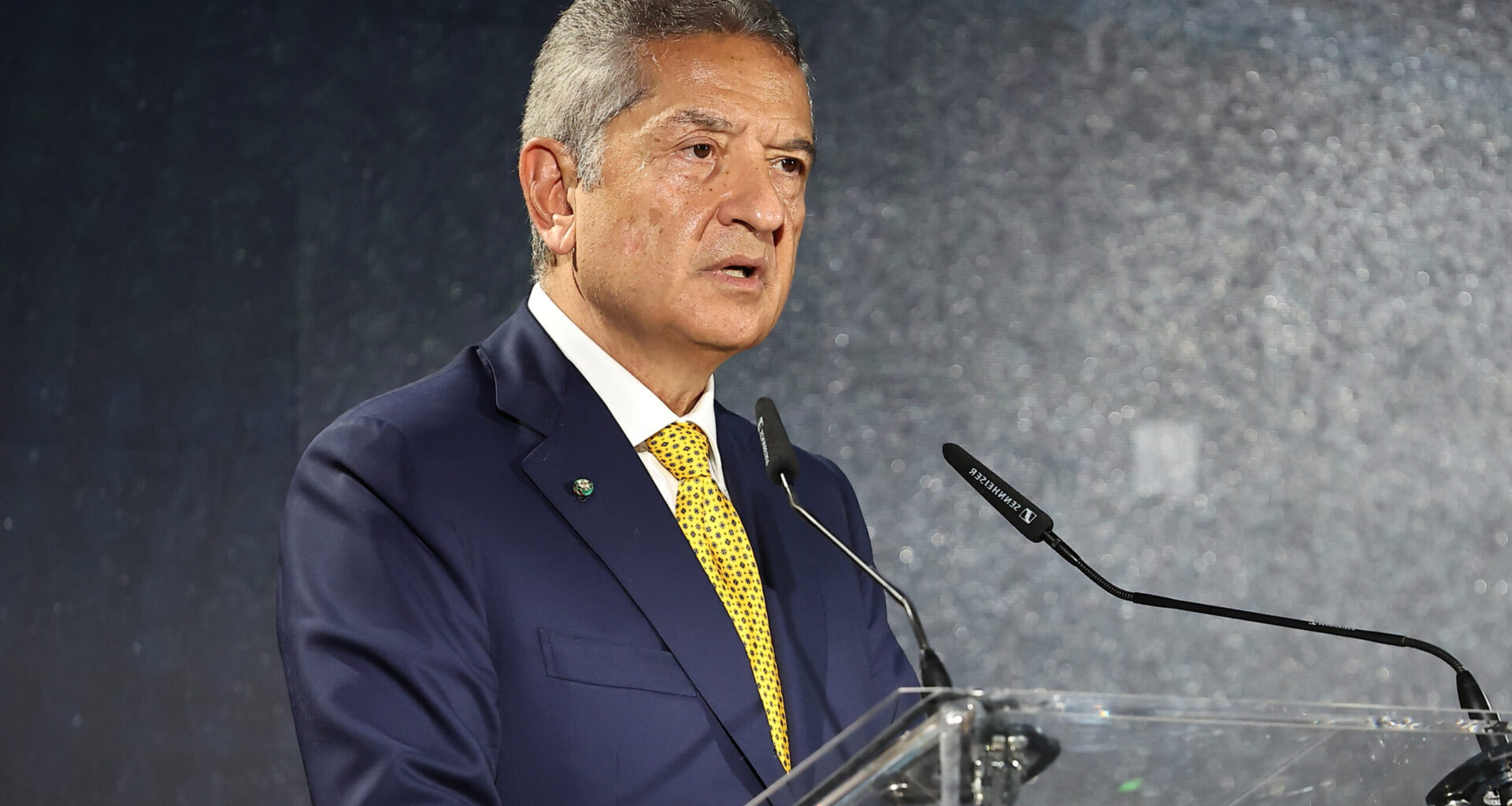
In 2025, the Italian banking system as a whole will show high profitability and a solid capital position. The international context, however, is currently dictated by geopolitical turmoil. Last year’s growth in GDP and global trade was followed by a rapid deterioration in the outlook in the first weeks of 2026. The conflict in the Middle East has abruptly altered the outlook: a context of high uncertainty is consolidating, likely destined to continue beyond the acute phase of the conflict. The framework outlined by the Governor of the Bank of Italy Fabio Panetta, During the annual meeting of participants to approve the 2025 budget, the ECB showed signs of growth for the Italian banking system. However, the sector faces a rapid and significant deterioration in 2026. The management of the Via Nazionale institution emphasized the “essential” need to “carefully” monitor expectations and, therefore, prevent feedback effects on wages, in order to ensure that monetary policy action remains proportionate and consistent with the ECB’s mandate.
International developments are the key theme around which the Governor of the Bank of Italy developed his speech presented today. Panetta’s words highlight the intensification of economic and geopolitical tensions in the Middle East. They also draw attention to the most immediate impact of the conflict currently affecting the Gulf countries: a sharp increase in gas and oil prices, with a consequent weakening of growth prospects and renewed inflationary pressures. He also cautioned that even in the event of a rapid cessation of hostilities, a return to orderly conditions in the energy market would be a significant timeframe. The current geopolitical context is dampening the ECB’s recently released projections, which predict that inflation will exceed target in 2026, with a gradual decline the following year, and economic growth will be more subdued than previously estimated. However, if the energy shock were to be “stronger and more persistent than expected in the baseline scenario,” Panetta insisted, “inflation would rise further while growth would be weaker.”
The bleak outlook for 2026 also stems from the dynamics of the conflict. Significant increases in commodity prices could result from damage to energy infrastructure. Furthermore, any disruptions in global value chains could translate into increases in the prices of intermediate goods, accentuating pressure on consumer prices. The intensity of these effects will crucially depend on the transmission of shocks to wages and the repercussions on expectations, with the risk of a vicious circle between prices and wages. On this last point, Panetta called for monitoring expectations and preventing feedback effects on wages.
Regarding the Italian central bank’s results for 2025, gross profit has now returned to positive territory, amounting to approximately €3 billion. This performance follows gross losses of €7,1 billion in 2023 and €7,3 billion in 2024. The improvement, of over €10 billion, “primarily reflects the effects of monetary policy,” Panetta explained, citing the decline in official interest rates and balance sheet strengths, which have resulted in a significant improvement in net interest income. For central banks, he continued, it is important to have an adequate level of capitalization to effectively address the potential occurrence of negative economic results. The Bank of Italy Governor proposed to the shareholders’ meeting the distribution of €340 million in dividends on net profit of €1,65 billion. Some participants holding more than 5 percent of the capital will not receive dividends (a total of €1,17 million), as required by law. The remaining profit will be allocated to the State, amounting to €1,272 billion, equivalent to “double the 2024 figure.” Over the past ten years, €41,3 billion has been allocated to the State, of which €34,8 billion in net profit and €6,5 billion in current taxes, while participants have received €2,9 billion in dividends.
The balance sheet, as mentioned, recorded an increase of approximately €10 billion. This performance was primarily due to the €91 billion capital gain on gold reserves, which more than offset the decrease in securities held for monetary policy purposes. These capital gains, however, “do not impact the economic result, but rather feed the specific liability revaluation account, helping to absorb any future fluctuations in the price of gold,” Panetta specified. The governor then emphasized that the rule introduced this year with the Budget Law does not change “neither the financial statement presentation nor the duties and purposes related to the Institute’s holding of gold.” The overall level and proper management of official reserves, including gold, “contribute to strengthening confidence in the stability of the Italian financial system,” he reiterated. Specifically, as of December 31, 2025, the euro value of gold held by the Bank of Italy was €289,2 billion (€197,9 billion at the end of 2024); the €91,3 billion increase is entirely attributable to the rise in the metal’s market price, which, expressed in euros, increased 46,1 percent over the year. The growth in the euro value of gold was reflected in an equivalent increase in the respective revaluation account. 44,9 percent of the gold reserves are held in Italy, 43,3 percent in the United States, 6,1 percent in Switzerland, and 5,7 percent in the United Kingdom. Panetta specified that “all of the Bank of Italy’s assets and liabilities, including gold, are held and managed with the sole interest of Italy and Europe as their primary focus.”
Read also other news on Nova News
Click here and receive updates on WhatsApp
Follow us on the social channels of Nova News on Twitter, LinkedIn, Instagram, Telegram