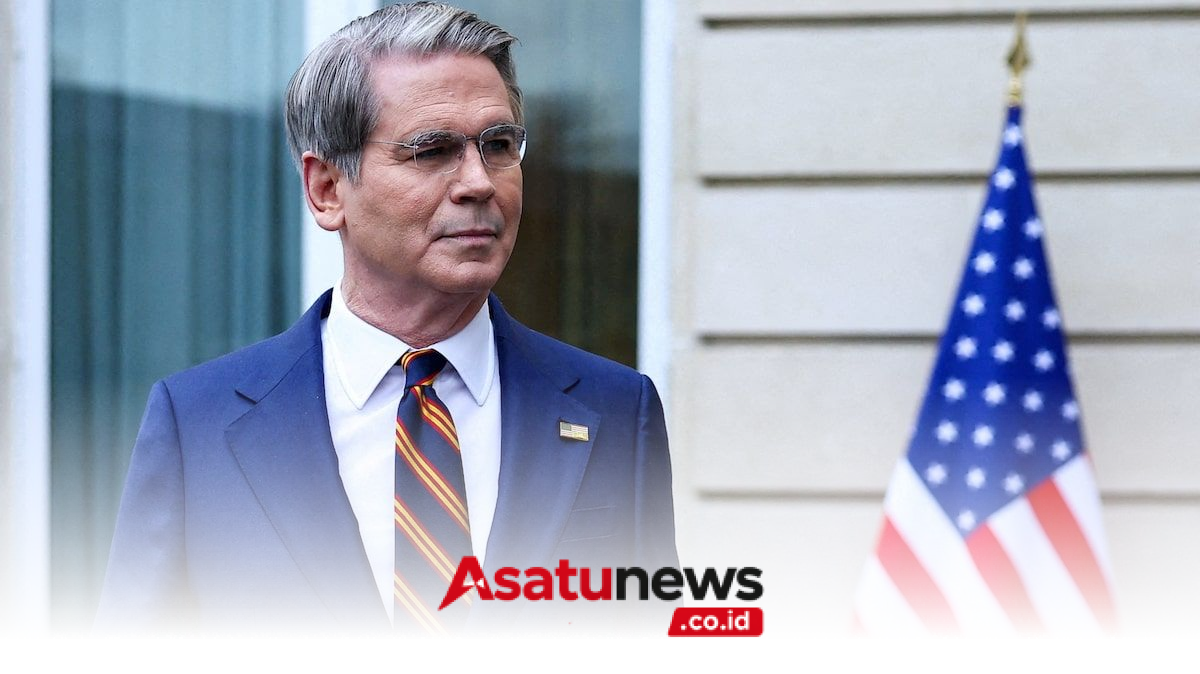
U.S. Treasury Secretary Scott Bessent stated on Monday, April 13, 2026, that the Federal Reserve should adopt a “wait and see” approach before lowering interest rates. Speaking at the Semafor World Economy event in Washington, DC, Bessent noted that the central bank is acting correctly by monitoring the ongoing war in Iran.
The Treasury Secretary highlighted that the U.S. economy remained robust through January and February 2026. However, government data released on Friday, April 10, showed that consumer inflation in March rose three times faster than in February, primarily driven by record-breaking fuel costs.
“Do I think rates should be lowered? Eventually. I think now that we have to wait and see,” Bessent said in an interview with Semafor. He expressed confidence that current price hikes, fueled by a 30% surge in global crude oil prices, would not become permanently embedded in long-term inflation expectations.

The war in Iran has pushed national retail gasoline prices above $4 per gallon for the first time in over three years. While President Donald Trump has lobbied for immediate rate cuts, Bessent described the current inflationary pressure as transitory, according to reports from Reuters and Semafor.
Bessent also addressed broader economic impacts, suggesting that despite the conflict, the U.S. dollar has strengthened. He acknowledged that earlier projections of 4% economic growth for the year would now require significant “make-up” work due to the geopolitical disruption.
Beyond monetary policy, Bessent confirmed that a forthcoming executive order will require U.S. banks to collect citizenship information from customers. He defended the move as a necessary measure to identify potential ties to foreign terrorist organizations within the financial system.

Regarding the nomination of Kevin Warsh to the Federal Reserve, Bessent emphasized the need for leaders with open minds to manage the reserve banks. He characterized the current management of the reserve banks as a disaster, noting that half of the staff do not report directly to their respective presidents.