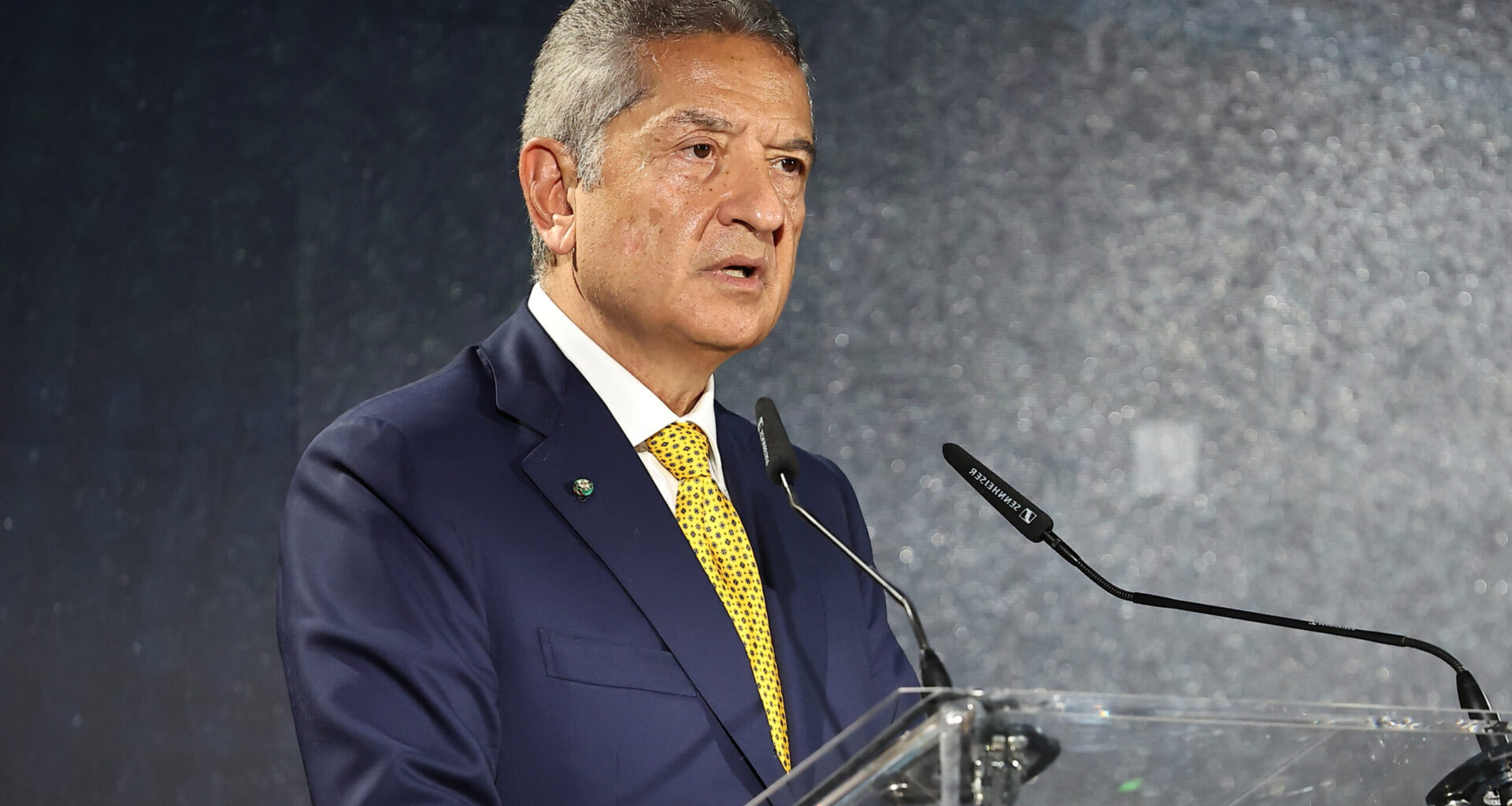
Money “is, ultimately, a collective trust pact.” This was stated by the Governor of the Bank of Italy, Fabio Panetta, speaking in Naples at the National Archaeological Museum, on the occasion of the first meeting of the new series “The Adventure of Money. The Infinite Exchange,” dedicated to “The Gold of Naples. Devotion, Money, and Trust.” And central banks, over time, have become its guardians. Being guardians of that pact means two things: ensuring secure payments and preserving the value of money over time, that is, keeping inflation under control. Both of these tasks are under pressure today. Ongoing conflicts risk fueling a new surge in prices. The Governing Council of the European Central Bank is closely monitoring the evolution of the geopolitical situation, with a specific goal: to prevent the rekindling of an inflationary spiral like the one that affected us all between 2021 and 2023. On the technological front, the challenge is different but equally profound. We pay with our phones, we invest through apps, we transfer money in seconds to the other side of the world. All of this represents real progress. But it also opens the way to forms of private money that are opaque and unstable, which risk weakening the pact of trust that public money has guaranteed for centuries. Leading this transformation without losing what we have essentially built is one of the key challenges for central banks in the coming years.
Uncertainty “is an integral part of history, not just contemporary history. The task of institutions—including the one I represent—is precisely this: to maintain trust, even in times of greatest uncertainty,” Panetta said. “For central banks, this task involves managing money,” he added.
We live in a time when “trust—in institutions, in the future, in others—is being severely tested,” said the Governor of the Bank of Italy. “The wars in Ukraine and the Middle East have shattered the sense of security we’ve lived in for almost eighty years. Covid has abruptly reminded us that pandemics don’t just belong in history books,” he added.
Artificial intelligence “is changing production in ways that understandably generate great concern among entrepreneurs and workers, in Italy and around the world,” Panetta observed. “Many are wondering what will remain of their profession in ten years—and that’s not an easy question to answer.”
Read also other news on Nova News
Click here and receive updates on WhatsApp
Follow us on the social channels of Nova News on Twitter, LinkedIn, Instagram, Telegram