For about ten years, Big Oil moved away from Canada’s oil sands and into cheaper, more easily developed—and less regulated—locations. Now, the supermajors are returning, looking for a piece of an energy industry that just got a lot more attractive.
Last week, Shell said it would buy Canada’s ARC Resources in a $16.4-billion deal that will add roughly 370,000 barrels of oil equivalent per day to its production and strengthen the supermajor’s position in one of the continent’s most strategic gas corridors.
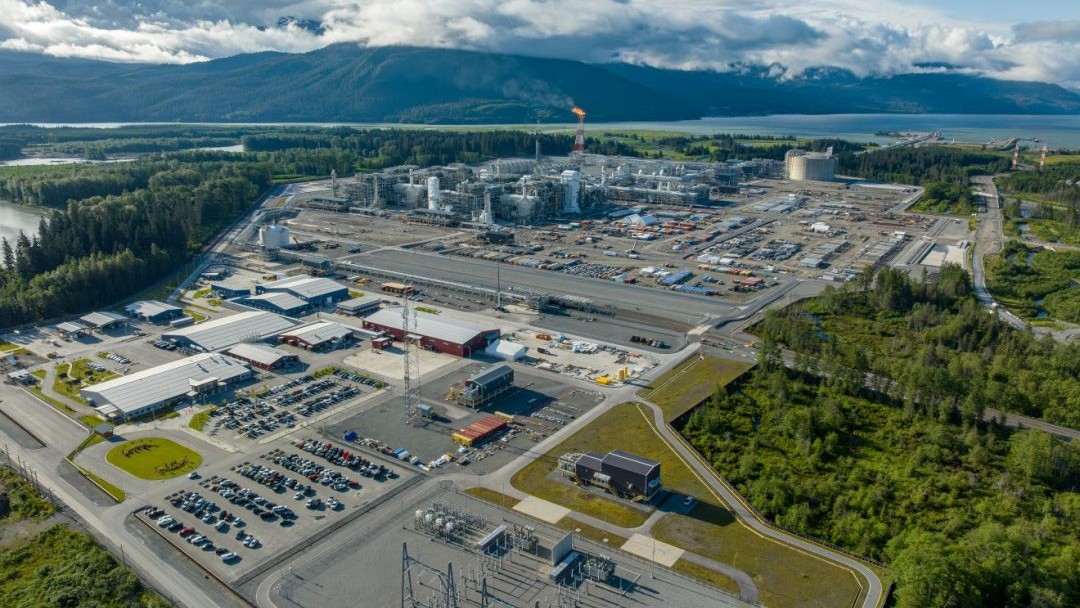
The acquisition gives Shell access to roughly 2 billion barrels of reserves while bolstering supply feeding LNG Canada, the export project Shell operates with a 40% stake and increasingly views as a cornerstone of its Asia growth strategy. With ARC’s assets adjoining Shell’s Canadian operations that feed LNG Canada, the deal boosts Shell’s LNG supply position while also replenishing reserves.
Days after that news broke, reports emerged that Shell was considering a partial sale of its stake in LNG Canada, with three of the biggest asset managers globally vying for the interest. KKR, Apollo Management, and Blackstone are in the race, Reuters reported, citing unnamed sources, earlier this week, with a potential deal estimated at between $10 billion and $15 billion.
Related: Repsol Holds Off on U.S. Listing for Upstream Unit Despite 2026 Plans
The price tag for the stake highlights Canada’s position as a secure energy supply alternative to the Middle East, where flows of oil and gas remain paralyzed. But Shell and the asset managers are not the only ones eyeing a greater presence in Canada’s oil and gas patch.
TotalEnergies, Norway’s Equinor, ConocoPhillips, and BP are also looking at acquisition opportunities in Canada, Reuters reported this week. The publication cited unnamed sources as saying the four majors had asked investment banks to compile lists of suitable acquisition targets for them. There is no guarantee deals will be made but the fact there is interest from supermajors suggests a changing sentiment to the countries with one of the most abundant oil and gas reserves in the world.
“The fact they (Shell) are buying in Canada is an indication that we have tremendous, world quality resources,” an energy consultant from McDaniel & Associates told Reuters, noting that interest was “validating”.
Earlier reports this month about interest in Canadian liquefied gas from European buyers also sounded a note of validation. European energy buyers are already big clients of U.S. LNG producers, but long-term diversification would require spreading reliance over more suppliers, hence the interest in Canadian LNG.
Story Continues