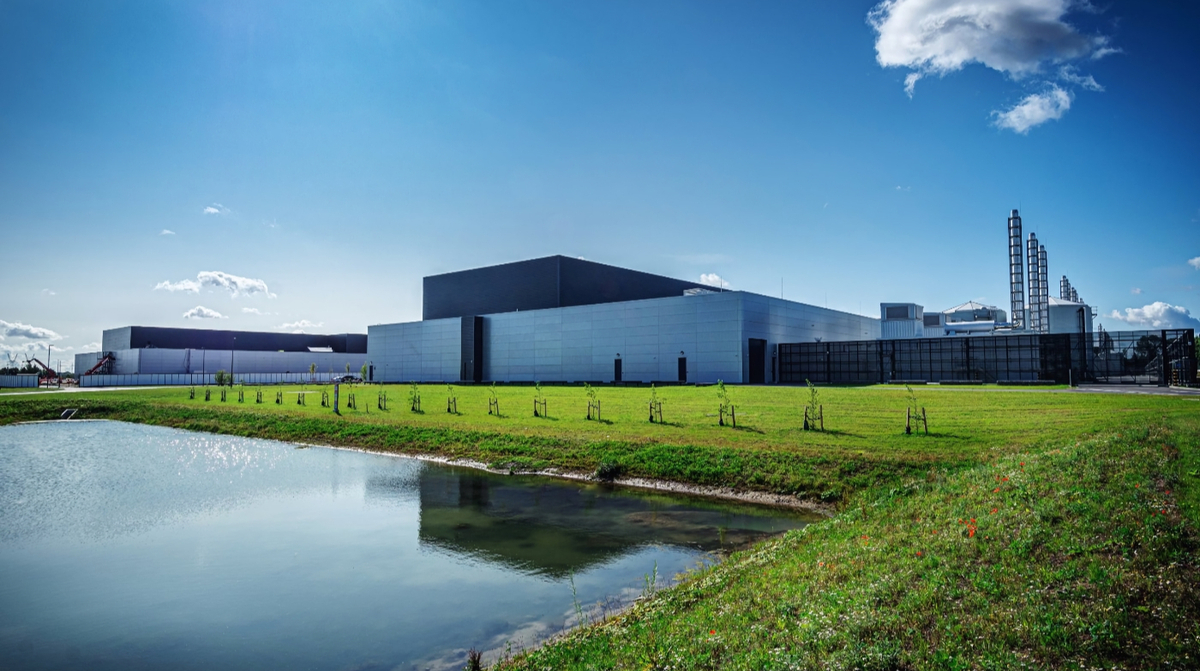
Northern European countries, which have long been among the main centres for data centre construction due to their cool climate and access to renewable energy, are now forced to reconsider their strategy, CNBC writes.
Rapid growth in electricity demand, in particular due to the boom in artificial intelligence, electrification and digitalisation, is overloading power grids and calling into question the further uncontrolled expansion of this industry.
This problem is most acute in Denmark. In March, state-owned operator Energinet temporarily suspended new grid connection agreements due to a sharp increase in applications. In total, 60 GW of projects are in the queue, although the peak consumption of the entire country is about 7 GW. Almost a quarter of the potential new demand comes from data centres. This has forced the government and business to think about who should have access to limited resources – data centres, industry, hospitals, or local consumers.
Industry representatives acknowledge that some of the applications may be speculative or unrealistic, so they are calling on the government to introduce clearer selection criteria, taking into account the maturity of projects, real investment, and public benefit. The debate has already been dubbed the “energy hunger game”, as countries are effectively forced to prioritise between different sectors of the economy.
The political situation in Denmark complicates the process, as the country is forming a new government after the elections. Earlier, the Minister of Energy suggested that Danish consumers could get priority over data centres.
For Microsoft, Google, and other tech giants, delays pose a risk of shifting investments to other countries. The companies emphasise that they need a fast and predictable infrastructure for the development of cloud services and AI.
Despite the crisis, some experts see the situation as a chance to create a new regulatory model for the whole of Europe. Denmark may become the first country to develop modern rules for balancing economic development, digital transformation, and energy system stability. The main challenge is not whether the demand for computing power will grow, but whether networks and policies will be able to adapt to the new reality.
Read also: AI centres to dramatically increase electricity and water consumption in 2025 – study
AI, electric cars and climate are causing global energy grids to become overloaded
Share: