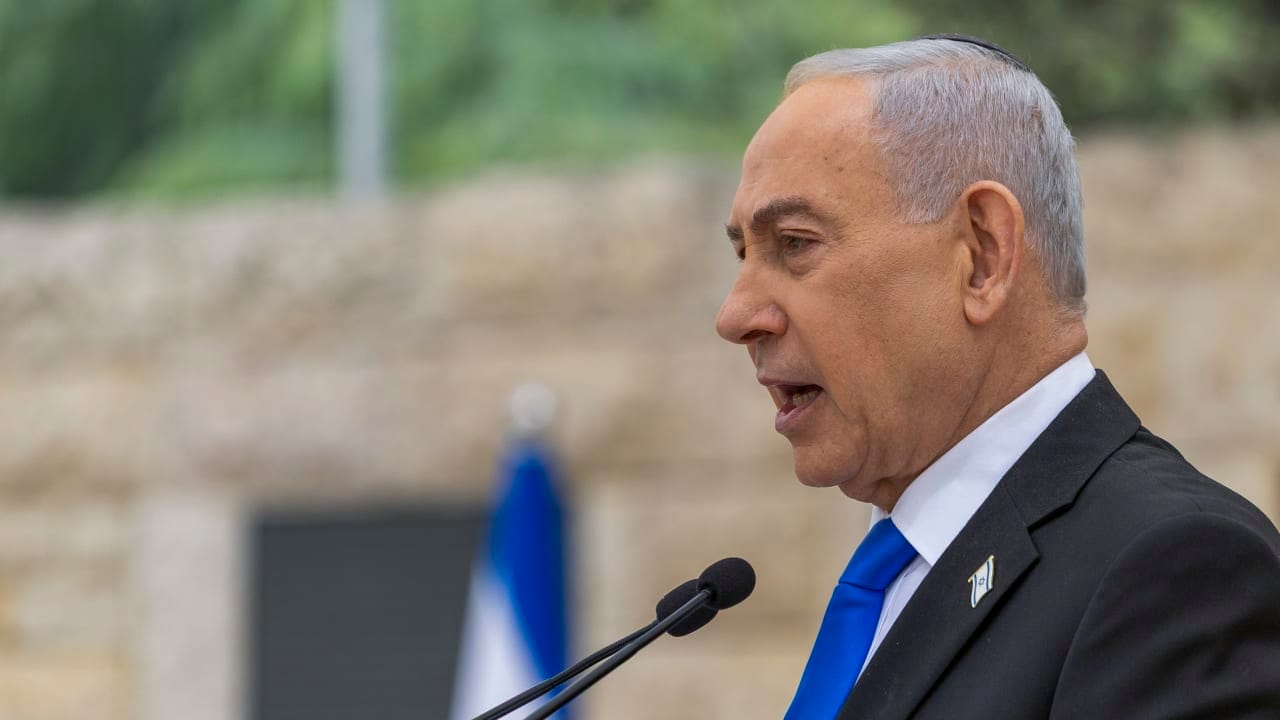
Prime Minister Benjamin Netanyahu cited his security and diplomatic workload from the witness stand on Tuesday, as his cross-examination in Case 4000 focused on media coverage and interviews he gave during the period the indictment covers.
“In the past 24 hours, I spoke with four heads of state and held three security meetings with the country’s senior officials,” Netanyahu said during his testimony at the Tel Aviv District Court.
Netanyahu said the calls included US President Donald Trump and the Czech prime minister, as well as leaders of Arab countries whom he said he could not name.
“And now we are taking three hours to discuss how I responded to a headline?” he said.
The testimony dealt, in part, with interviews Netanyahu gave to different media outlets. Netanyahu claimed the interviews were conducted under pressure from his former spokesman Nir Hefetz, who later became a state witness in the trial.
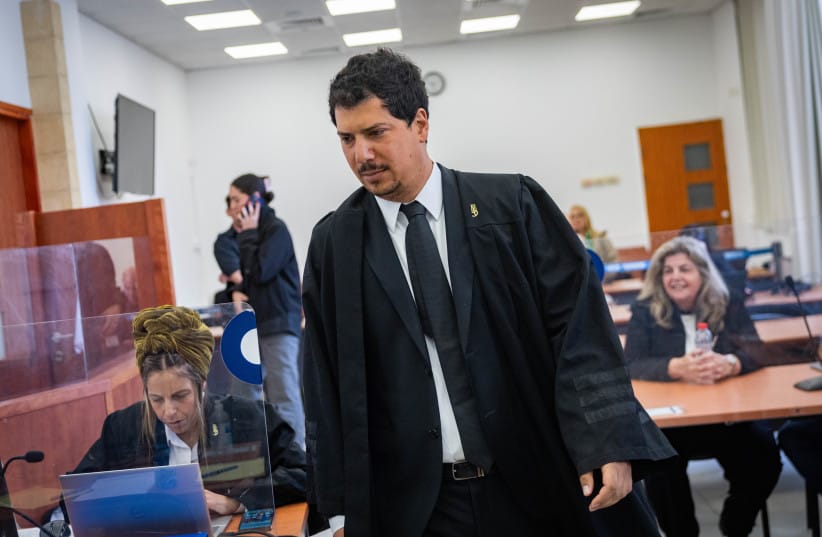 Attorney Amit Hadad arrives for a court hearing in the trial against Israeli Prime Minister Benjamin Netanyahu at the District Court in Jerusalem on May 3, 2026. (credit: CHAIM GOLDBERG/FLASH90)
Prosecutor Yehudit Tirosh challenged that account, saying it was not reasonable to suggest that Netanyahu, during an election period, gave interviews merely to get Hefetz “off his back.”
“You want us to accept that your spokesman leads you by the nose wherever he chooses, that you are led and not leading, that you cannot bang on the table the way you know how to do?” Tirosh said.
Netanyahu’s wartime schedule affecting testimony
The exchange came as Netanyahu’s testimony continued to be affected by the demands of his wartime schedule. Tuesday’s hearing was held from 4 p.m. to 7 p.m. after the court partially accepted a defense request to adjust the schedule due to what Netanyahu’s attorney Amit Hadad described as an urgent security-diplomatic matter.
In a filing with the court, the defense requested that the hearing begin at 4 p.m., citing details contained in a sealed envelope. The prosecution agreed to the later start, provided that the court could still hold at least three hours of testimony.
Monday’s scheduled hearing was canceled early in the morning following a defense request citing Netanyahu’s security schedule and including sealed details submitted to the court and the prosecution.
The recurring changes have highlighted the unusual posture of the trial: a sitting prime minister giving criminal testimony while managing an ongoing war, diplomatic contacts, and security decisions. In recent weeks, hearings have been repeatedly canceled, shortened, or interrupted due to urgent meetings or classified security material.
Channel 13 reported that Netanyahu and the parties recently met with the judges in their chambers, rather than in open court, so Netanyahu could explain the reasons for his absences from some hearings and provide security-related updates.
The judicial panel said in response that the step was unusual, but had been initiated by the defense and agreed to by all parties, including the state. The panel said the case involves a sitting prime minister during wartime and that security matters sometimes require the court to be kept informed of the holding, cancellation, or shortening of hearings.
The current questioning is taking place in Case 4000, the Bezeq-Walla affair, the central case in Netanyahu’s criminal trial, and the only one in which he is charged with bribery.
Prosecutors allege that Netanyahu, while serving as communications minister, advanced regulatory decisions beneficial to Bezeq, then controlled by businessman Shaul Elovitch, in exchange for favorable coverage on Walla, which Elovitch also owned at the time. Netanyahu denies the allegations and has repeatedly argued that the cases against him are politically motivated.
The cross-examination in Case 4000 has repeatedly returned to Netanyahu’s involvement in media coverage, his relationship with advisers and spokespeople, and the prosecution’s allegation that he was aware of and involved in requests relating to Walla coverage.
At the last substantive hearing, Netanyahu again denied that he held a “guidance meeting” with former Communications Ministry director-general Shlomo Filber regarding Bezeq, as prosecutors pressed him on what they say is supporting evidence for Filber’s original account. That hearing was also shortened after Netanyahu left for a security call at the Kirya military headquarters.
Netanyahu began testifying in December 2024, becoming the first sitting Israeli prime minister to take the stand as a criminal defendant. Cross-examination began in June 2025, after months of direct examination by the defense.
Beyond Case 4000, Netanyahu is charged in Case 1000 with fraud and breach of trust over allegations that he received gifts from wealthy businessmen, and in Case 2000 with fraud and breach of trust over alleged discussions with the publisher of Yediot Aharonot, Arnon “Noni” Mozes, concerning favorable coverage. He denies wrongdoing in all three cases.