
Viljandi city government’s refusal to allow the Estonian LGBT Association to unfurl a rainbow-coloured fabric in Vabaduse Square on 1 June is not an act of child protection – it is an act of civic exclusion.
Viljandi, a town of about 17,000 people in southern Estonia, is not some cultural backwater. It is one of Estonia’s historic cultural centres, home to the Viljandi Folk Music Festival, one of the country’s best-known cultural events, and the University of Tartu Viljandi Culture Academy. It is a town whose public identity is built on music, creativity, openness and cultural self-confidence. That makes the city government’s decision all the more jarring.
According to Sakala, the Viljandi county newspaper, the association had applied for permission to hold a public event as part of Baltic Pride, the Estonian, Latvian and Lithuanian LGBT cultural festival held in the Baltic states since 2009. The planned action was symbolic rather than disruptive: a 23 x 12 metre rainbow-coloured piece of fabric, sewn together from fabric remnants and weighing 68 kilograms, would be rolled out in the city centre as a message of solidarity and inclusion.
Viljandi said no.
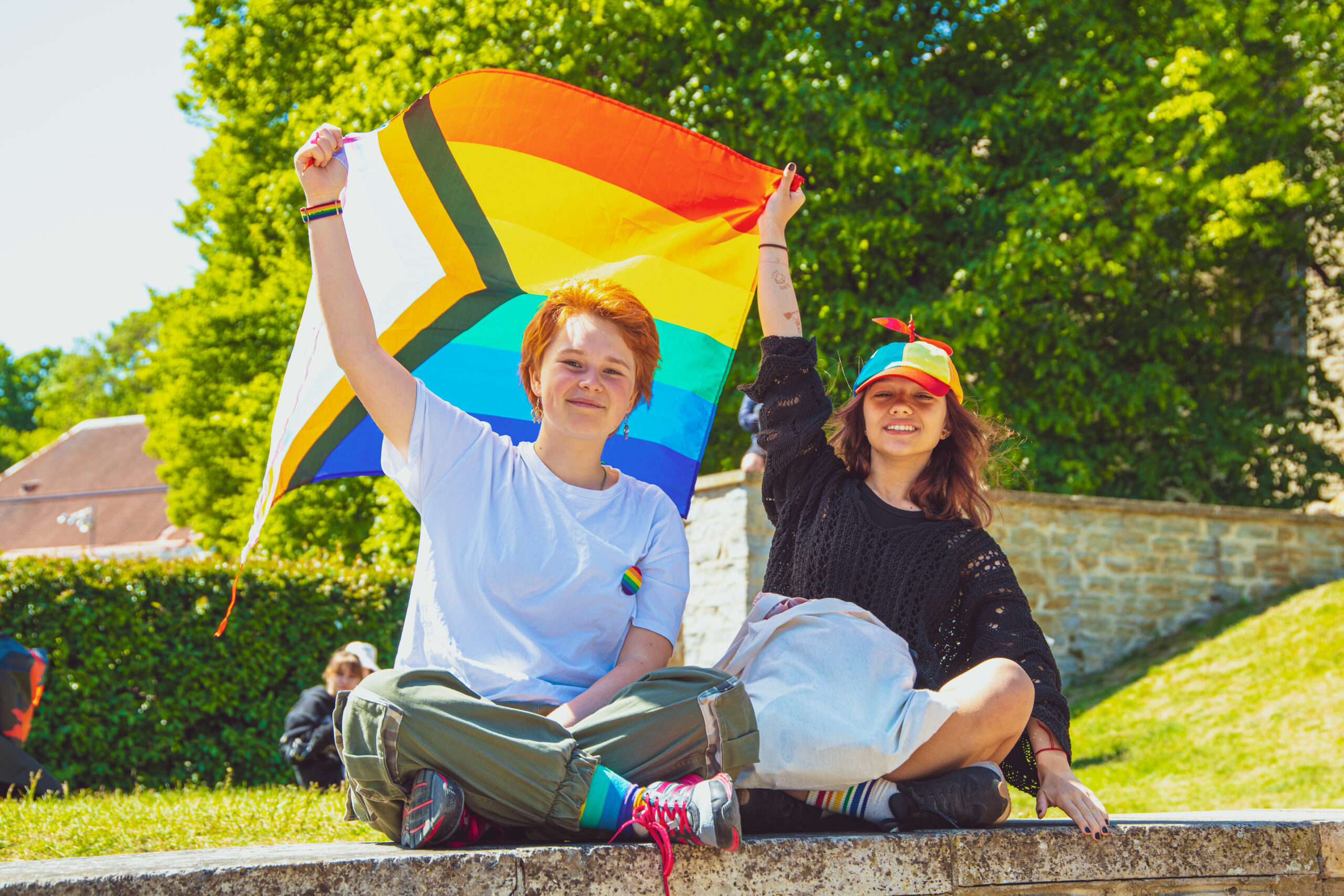 Baltic Pride 2023 in Tallinn. Photo by Tiiu Heinsoo.
According to Eva-Maris Küngas, one of the organisers, the city justified its refusal by saying the event was not in line with the expectations of members of the Viljandi community. Since 1 June is Children’s Day, the city also reportedly claimed the event was not child-friendly.
It is hard to read that reasoning as anything other than political.
Viljandi is governed by a conservative city administration led by Isamaa and EKRE. The mayor is Jaak Pihlak of Isamaa; the deputy mayors are Anett Suits of Isamaa and Silvia Takkel of EKRE. The decision therefore comes not from some faceless bureaucracy, but from a local political leadership that has decided LGBT visibility is unsuitable for the city’s main public square.
That is a serious misuse of municipal power.
Who counts as the Viljandi community?
A city government may regulate public events for practical reasons: safety, traffic, timing, noise, access. It may set conditions. It may require coordination with the police. What it should not do is decide that a peaceful minority-rights event is unacceptable because it might offend some residents or sit uneasily with the worldview of the governing coalition.
Public space in a democracy does not belong only to those whose views are already dominant. It belongs also to those whose presence still makes some people uncomfortable.
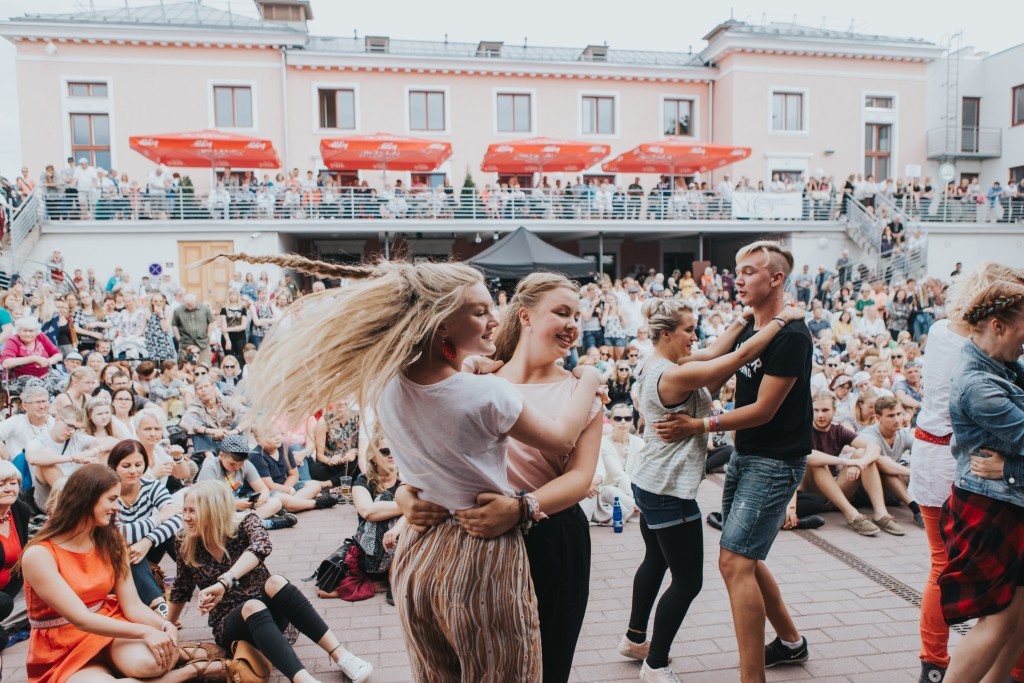 Festivalgoers dancing at the Viljandi Folk Music Festival – one of Estonia’s best-known cultural events, held annually in the southern Estonian town now at the centre of a dispute over LGBT visibility in public space. Photo by Kris Süld / Viljandi Folk Music Festival.
The phrase “the Viljandi community� does much of the work in the city’s argument. It sounds inclusive. In this case, it appears to exclude. LGBT people live in Viljandi. Their families live there. Their friends, colleagues, classmates and neighbours live there. They are not outsiders arriving to disturb some imagined moral unity. They are part of the town.
To suggest that their public visibility is not in line with community expectations is to narrow the meaning of community until it fits only some of its members.
Children are not harmed by visibility
The Children’s Day argument is worse. There is nothing harmful to children in seeing a rainbow-coloured fabric in a public square. Children are not damaged by the sight of a symbol associated with equality. They are damaged by bullying, shame, silence and the lesson that some people should hide themselves to make others comfortable.
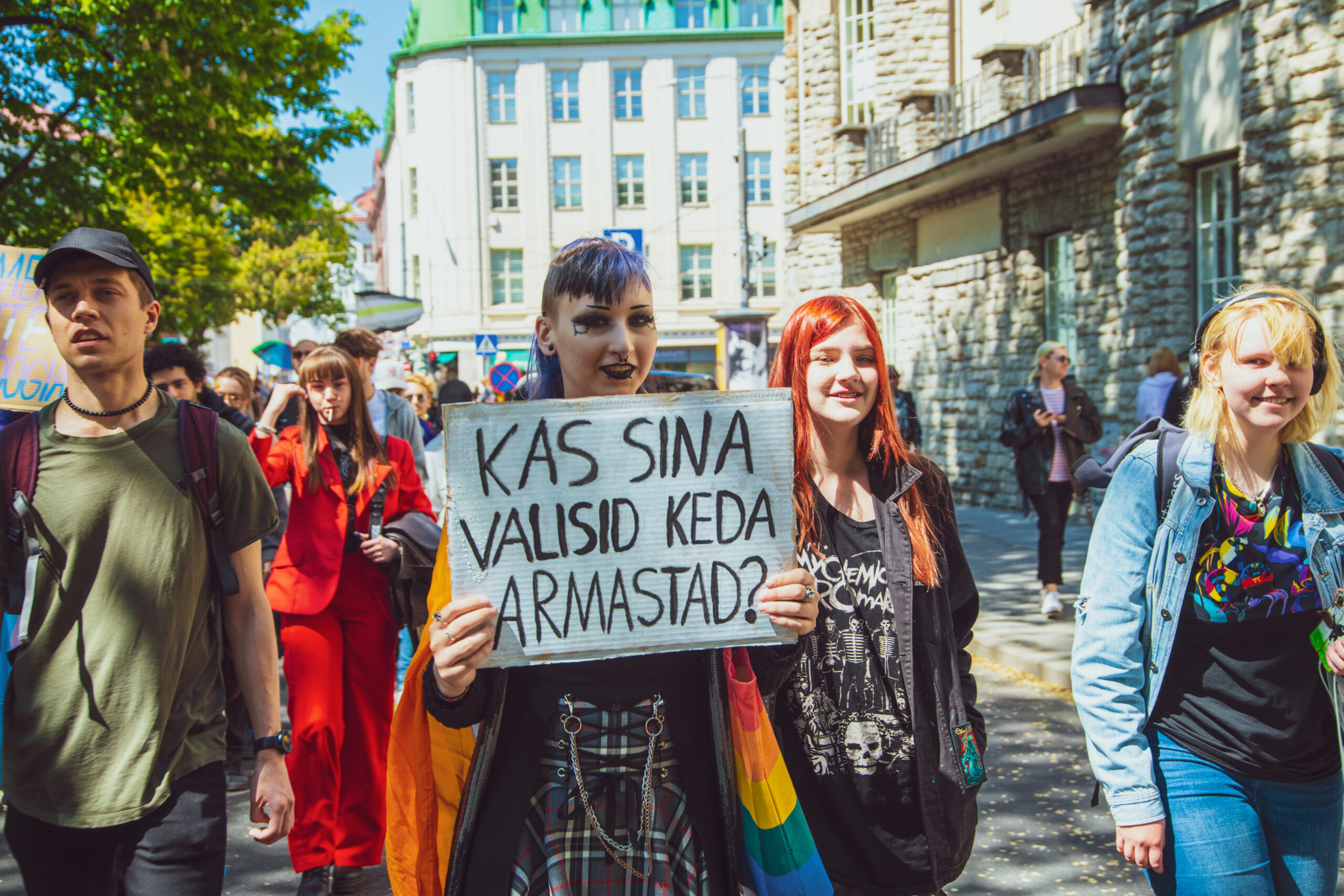 People taking part in Baltic Pride in Tallinn. The sign reads, “Did you choose whom you love?� Photo by Tiiu Heinsoo.
Some children in Viljandi will grow up LGBT. Some already know they are different. Some may not yet have the words for it. What message does the city’s refusal send to them? That their existence is a sensitive subject. That their dignity depends on permission. That the public square is not equally theirs.
That is not child-friendly. It is cruel in the soft language of administration.
Minority rights cannot depend on majority comfort
Nor is this about forcing every Viljandi resident to support Baltic Pride. Nobody is required to applaud the event. Nobody is required to attend it. In a free society, people may disagree with Pride, criticise it, ignore it or walk past. But disagreement is not a veto. Offence is not a planning principle. Discomfort is not a legitimate basis for excluding a minority from public space.
Jaak Pihlak told Sakala that with such events it was necessary to consider how these themes may offend the public and what kinds of confrontation they may create in society. That is a troubling argument. The purpose of fundamental freedoms is not to protect only those assemblies, symbols and opinions that cause no friction. They exist precisely because democratic life involves friction.
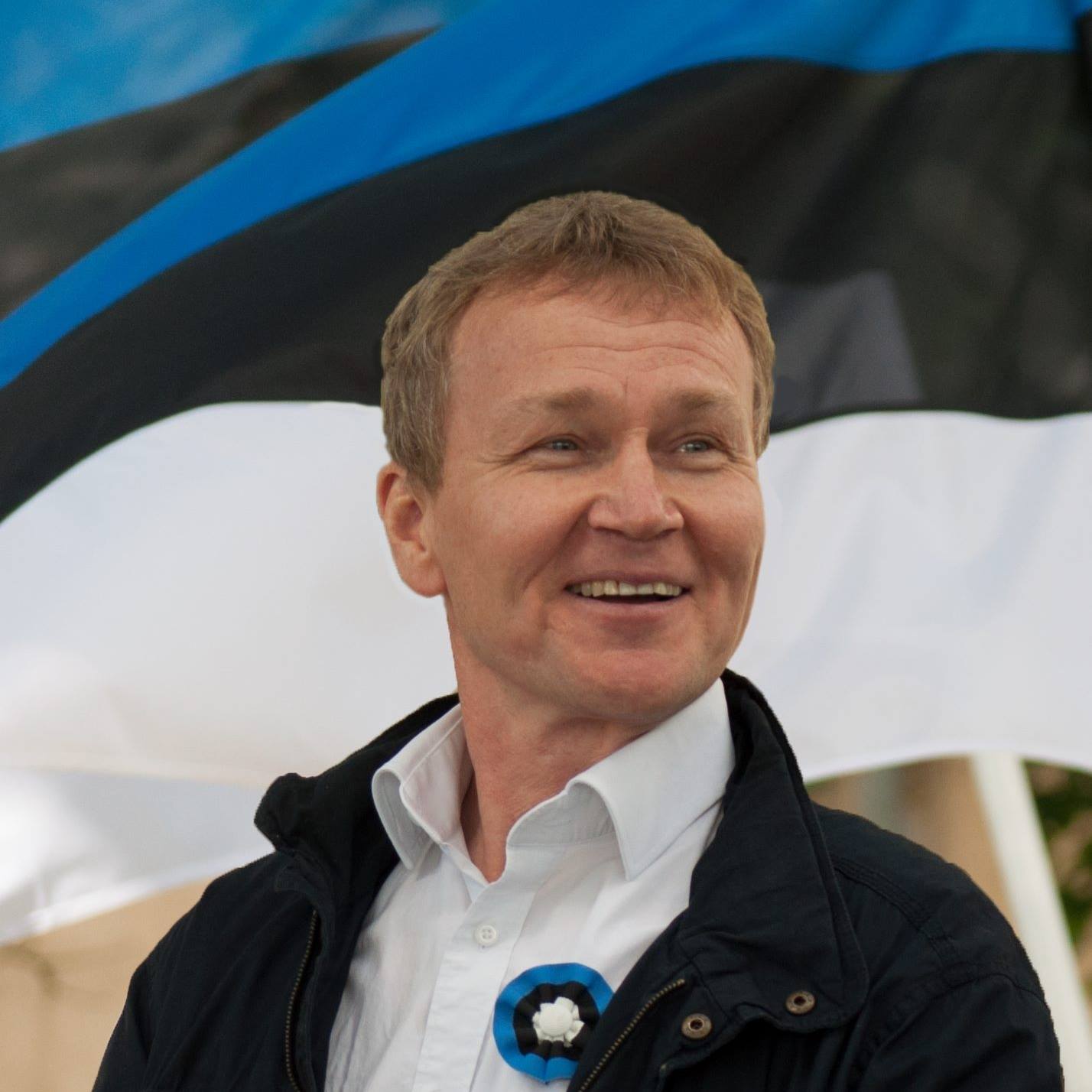 Viljandi mayor Jaak Pihlak. Photo from Jaak Pihlak’s Facebook page.
If authorities ban a peaceful event because others may object to it, they hand power to the objectors. They make the possibility of hostility more important than the rights of those seeking to gather.
The irony is that Viljandi has now created the confrontation it claimed to avoid. A modest symbolic action has become a story about a town government telling LGBT residents and their allies that their presence in public space is conditional. A rainbow fabric that might have been unfurled for a short time in Vabaduse Square – Freedom Square – has become a test of whether the word “freedom� in Estonia still applies when the citizens asking for it are politically inconvenient.
Viljandi should reverse its decision
The organisers have filed an objection with the mayor. Viljandi should use that opportunity to reverse the decision. It should approve the event, set reasonable practical conditions if necessary, and make clear that the city’s public space belongs to all its residents.
Estonia often describes itself, rightly, as a modern European democracy. But such claims are tested locally, in ordinary administrative decisions: who may gather, who may be visible, whose presence is treated as normal and whose as a problem.
Viljandi has given the wrong answer. It should correct it.