
What began as one mother’s search for prep-season ski training in Košice evolved into a year-round training hub for racers, adaptive athletes, and rehabilitation programs.
In eastern Slovakia, young ski racers often travel 10 hours just to find snow.
Košice, a city in eastern Slovakia known for its rich sporting history, is the birthplace of athletes like Juraj Slafkovský in ice hockey and Richard Tury in skateboarding. The city also hosts the oldest marathon in Europe and has produced world champions in water skiing.
But skiing opportunities around the city have steadily disappeared.
Situated in a valley basin, Košice once offered numerous skiing possibilities throughout the surrounding region — something especially important in a country where skiing remains a standard part of physical education in schools. However, global warming, rising energy costs, and the growing dependence on artificial snowmaking have gradually pushed skiing further out of reach for many families in eastern Slovakia.
Today, only one small suburban ski resort, Jahodná, remains in operation, offering less than one kilometer of slopes for a city of 250,000 inhabitants. Even the well-known resort Plejsy, located 50 kilometers away and once a venue for European Cup races, has remained closed for several years.
Despite those challenges, Košice has maintained a strong alpine ski racing tradition among young athletes. The city is still home to several ski clubs, as well as current Slovak slalom champion Jozef Štrkolec.
And that is where the story of Eva Širillová begins.
How a Family Trip to Germany Inspired the Project
Širillová spent years “chasing” snow across Austria and Italy together with her son Ladislav and his ski club.
“The training season in Slovakia keeps getting shorter because of changing weather conditions and now lasts only two to three months,” she explains.
“That’s why we had to travel huge distances to find snow. From Košice, almost everything is at least a 10-hour drive away.”
She eventually started searching for additional training that could help her son maintain skiing movement patterns during the summer.
“Eventually, I discovered a ski simulator from SkyTechSport online, and the nearest one was in Munich.”
She liked the idea of training skiing technique almost “from the living room.”
“I wanted him to maintain fitness and activate the same muscle groups used in real skiing, which is difficult for us to access for most of the year.”
Košice already offered many opportunities for complementary training:
bike trails,
swimming,
running,
trampolines,
gymnastics halls,
and fitness centres.
“But having access to this type of indoor skiing platform would be ideal not only for my son, but for other children in the ski club as well.”
The family eventually included the Munich visit in a trip to Legoland.
“We booked all of us onto the machine, and the children immediately wanted to return again the next day.”
In the showroom, they first skied facing a mirror and later tried a larger setup with a projected course and gates.
“I immediately started thinking about how to finance something like this and bring it to Košice.”
Click the images to enlarge
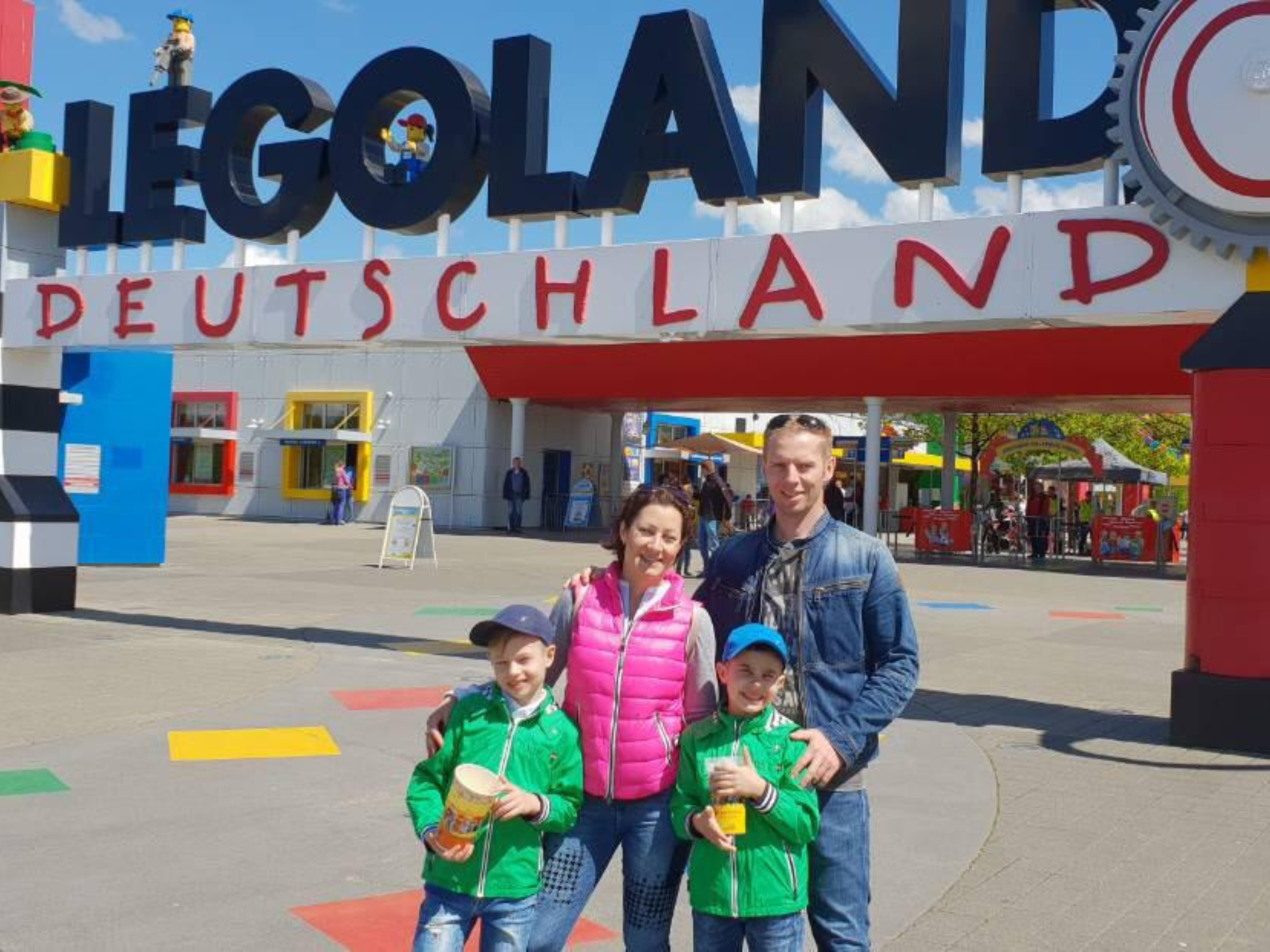 Family Trip in Germany in 2018, credit: Eva Širillová
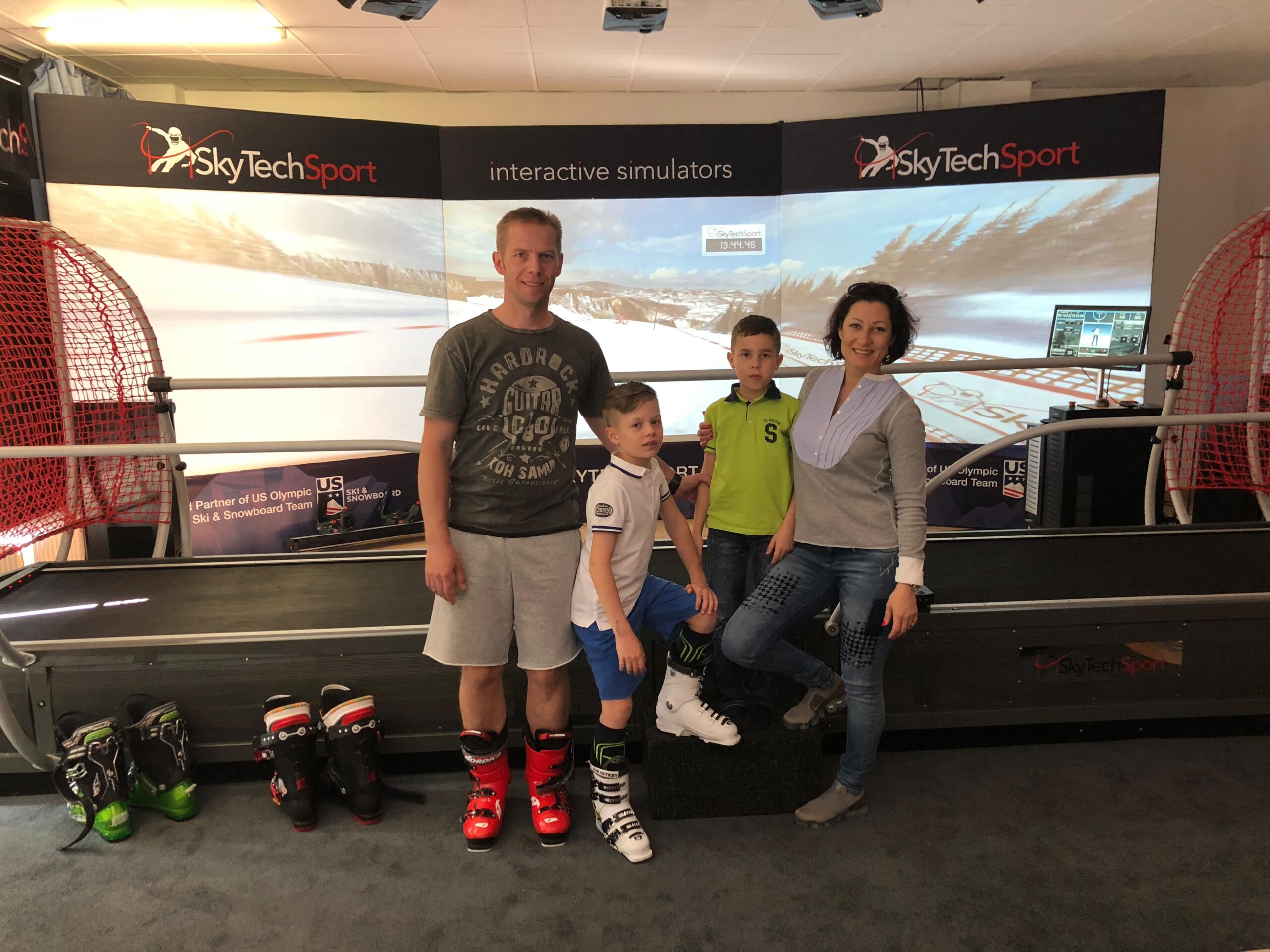 First Session on the Ski Simulator, credit: Eva Širillová
Good Stories Don’t Begin Over a Glass of Mineral Water…
Not long afterwards, a simulator appeared in Bratislava. Eva initially thought she had missed her opportunity.
However, Slovakia’s capital still sits five hours from Košice, and the unfinished motorway connection continued limiting accessibility for ski clubs in eastern Slovakia.
“I managed to secure the funding, and at a New Year’s Eve party my husband and I looked at each other and said — it’s now or never,” she recalls.
The beginnings proved difficult because many people initially believed the technology was suitable only for professional athletes.
“We started trying different campaigns. The year 2024 was probably our most successful one, but then the building owner sold the space and we suddenly had to find a new home for the simulator.”
Even so, Širillová kept believing in the project.
“Whenever I went skiing and watched random people or children on the slopes, I kept thinking: ahhh, this person would really benefit from a session indoors to fix this or that.”
Click the images to enlarge
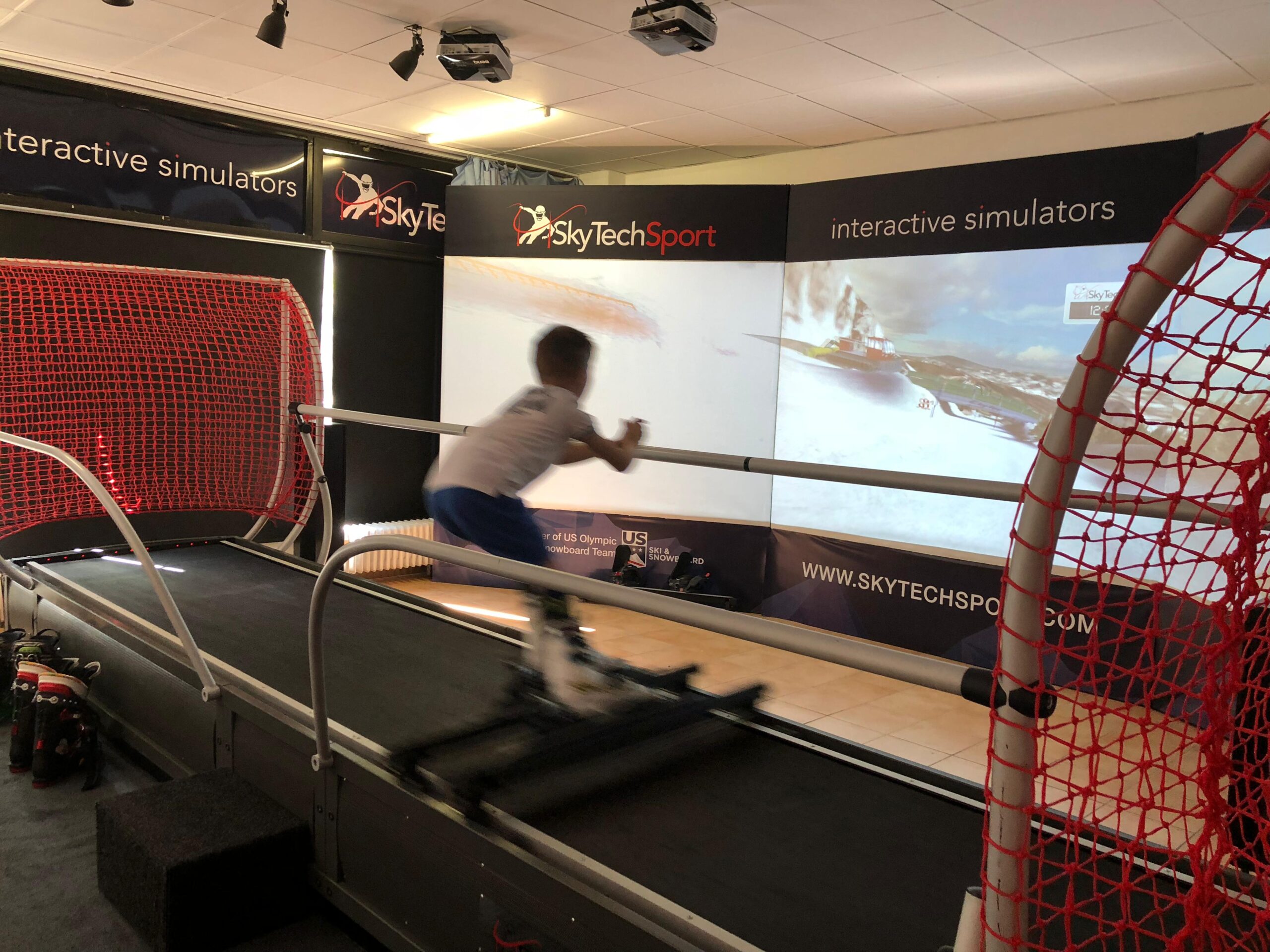 Ladislav Širilla, credit: Eva Širillová
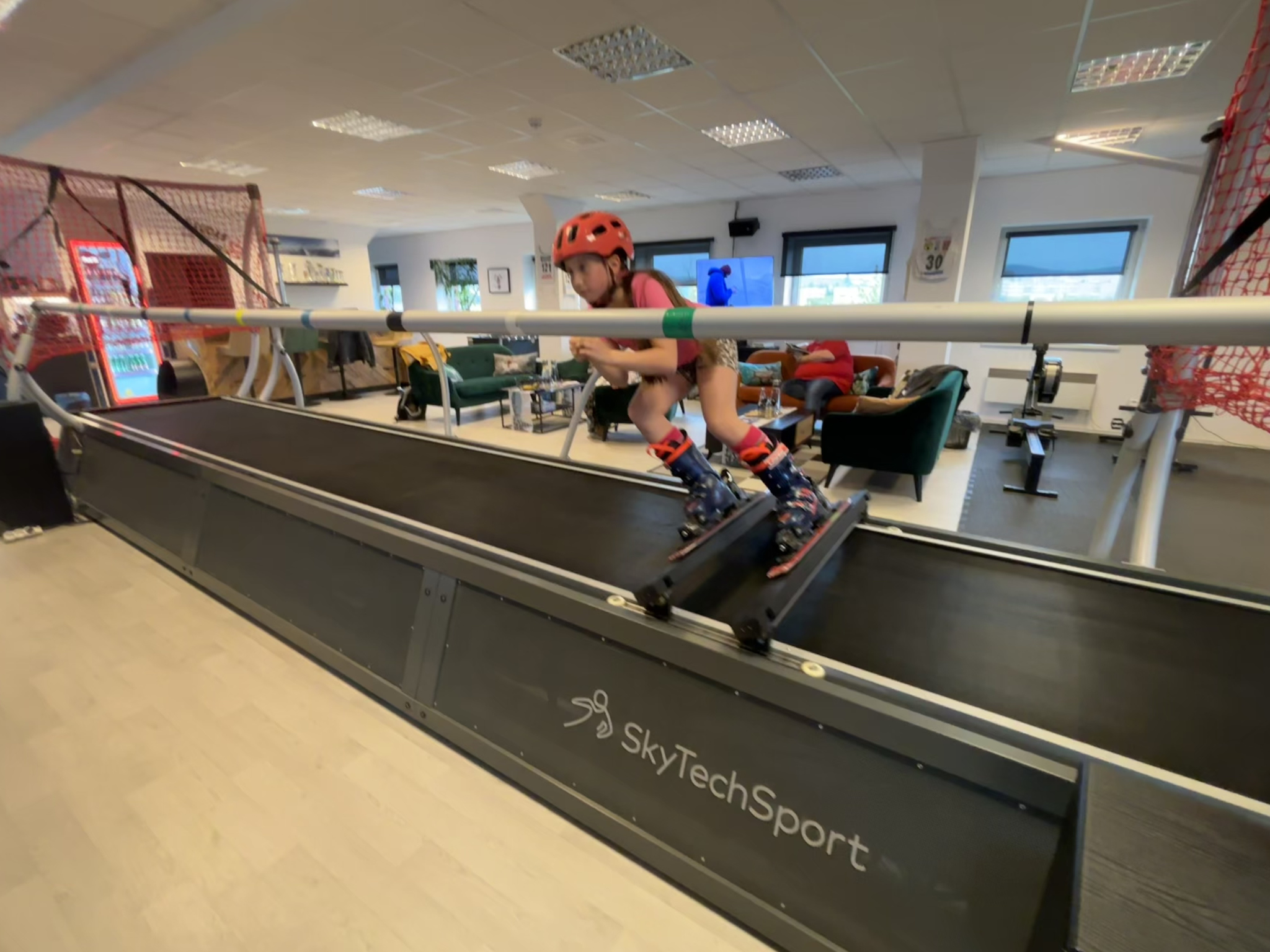 Katka’s Training Session, credit: Darka Sefcik Starnova
Coaches, Professionals and Recreational Skiers
“We approached local ski clubs and found former skiers and coaches Richard Lacko and Vladimír Hrehor,” explains Širillová.
“As a former ski racer, I immediately saw an opportunity to learn something new,” says Lacko.
“Step by step, we tried to transfer skiing technique from the slopes into an indoor environment.”
Over time, the coaches began understanding how individual technical details could be isolated, trained repeatedly, and later transferred back onto snow.
“We needed to analyse each movement carefully and understand the differences and similarities between real skiing and what could be replicated on the machine,” says Lacko.
“The simulator is not a perfect copy of skiing on snow. But when it comes to technical details like stance, leg separation, balance, and movement patterns, it works extremely well and offers enormous benefits.”
“One particularly interesting feature is the performance analysis,” adds Hrehor.
“The machine gives us precise force measurements, angles, and detailed data that create a clear foundation for improvement.”
Studying Skiing Like Formula 1 Drivers
Another major advantage involves studying downhill and Super-G courses indoors before skiing them on snow.
“In some ways, it reminds me of Formula 1 drivers and their preparation,” says Hrehor.
Lacko has also coached several well-known names from the Slovak national team on the simulator, including Czech racer Martina Dubovská and Slovak Paralympian Alexandra Rexová.
“With professional athletes, we usually analyse video first and focus on one specific technical element that needs improvement,” he explains.
“With recreational skiers, it often works the opposite way. The machine quickly exposes weaknesses, and some of them can be corrected almost immediately.”
The experience also changed how Lacko watches elite skiing.
“I don’t really have one specific favorite when it comes to technique,” he says.
“What fascinates me is how skiing continues evolving and how top athletes approach turns differently.”
He especially enjoys watching Marco Odermatt in giant slalom.
“His line can sometimes look very unique. But honestly, I watch absolutely everyone.”
Every World Cup race is also followed closely inside the Košice training centre. Sometimes sessions even pause so everyone can enjoy cheering for the racers together.
Click the images to enlarge
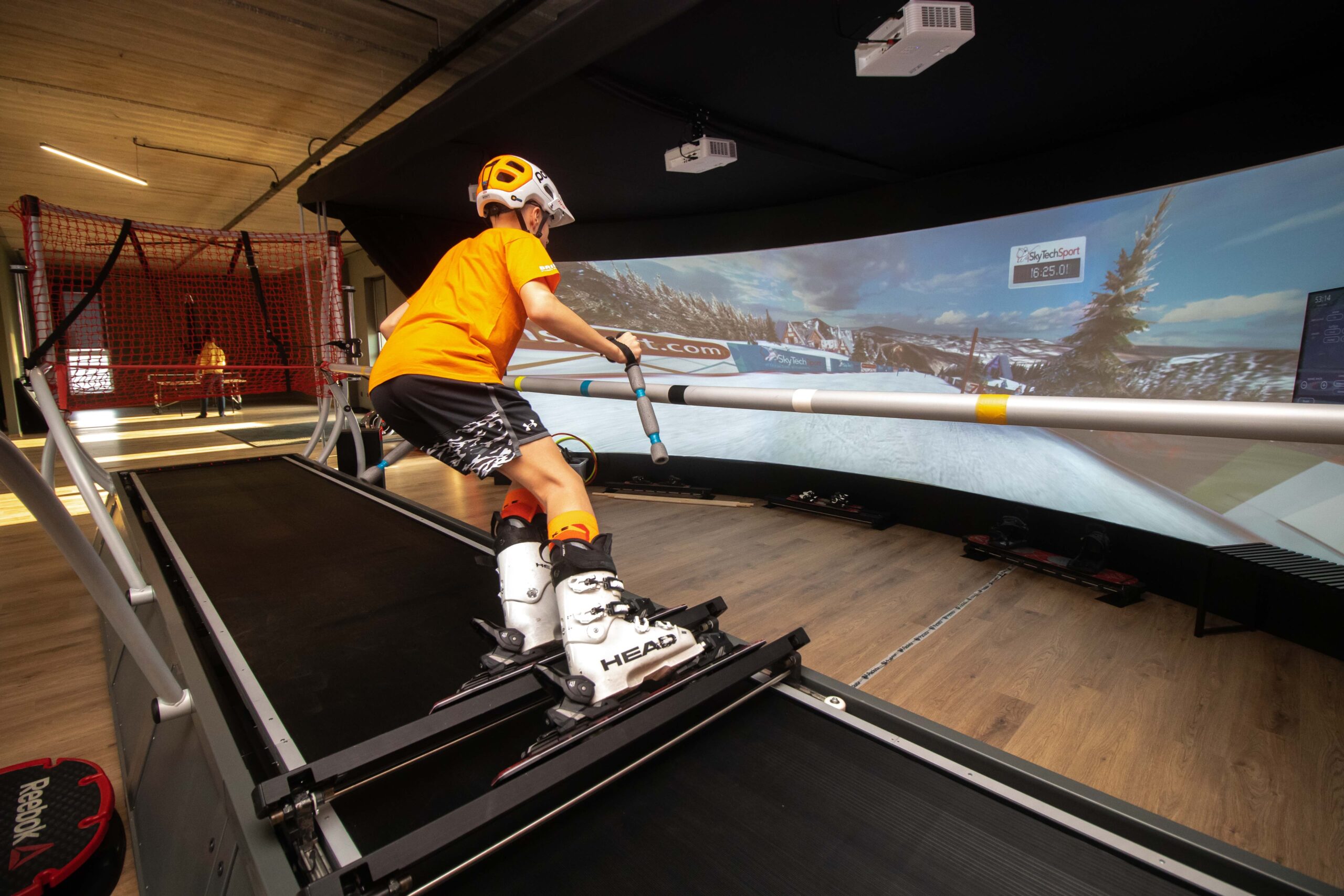 Ski Simulator Košice in 2024
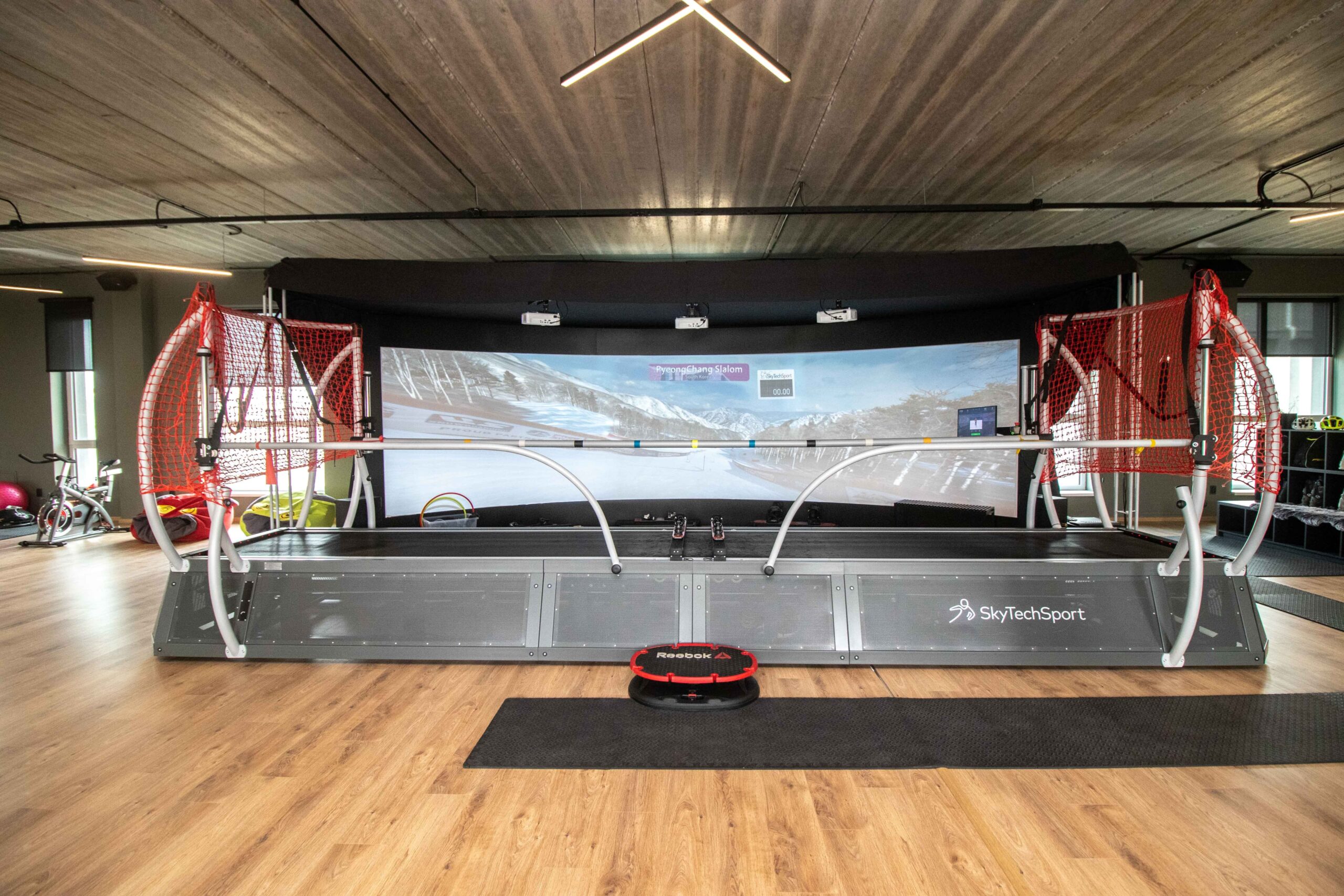 High-Quality Summer Ski Preparation
Small Clubs in a Big City
In addition to individual clients and a better-informed public, ski club training sessions also began taking off in Košice.
“The biggest interest comes from ski clubs in the surrounding regions,” says Širillová.
“I honestly had no idea how many ski clubs there are in Slovakia.”
Since Košice offers a wide range of sporting opportunities, clubs started coming for week-long training camps.
Even though only one skier can train on the simulator at a time, the facility also includes:
a gym,
table tennis,
table football (foosball),
and recovery space.
“This allows clubs to provide their young athletes with fairly comprehensive preparation.”
Click the images to enlarge
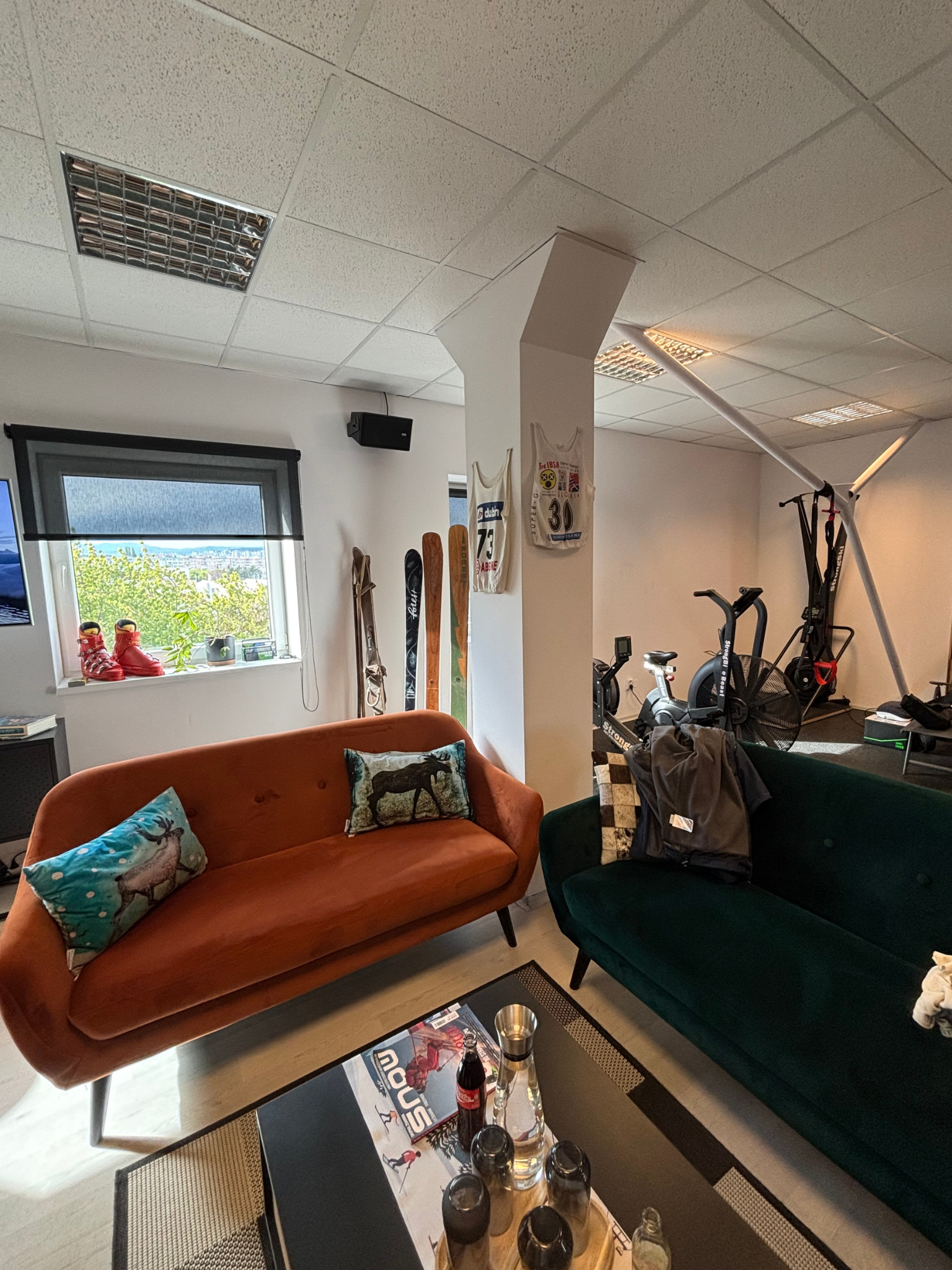 Designed to Inspire, credit: Darka Sefcik Starnova
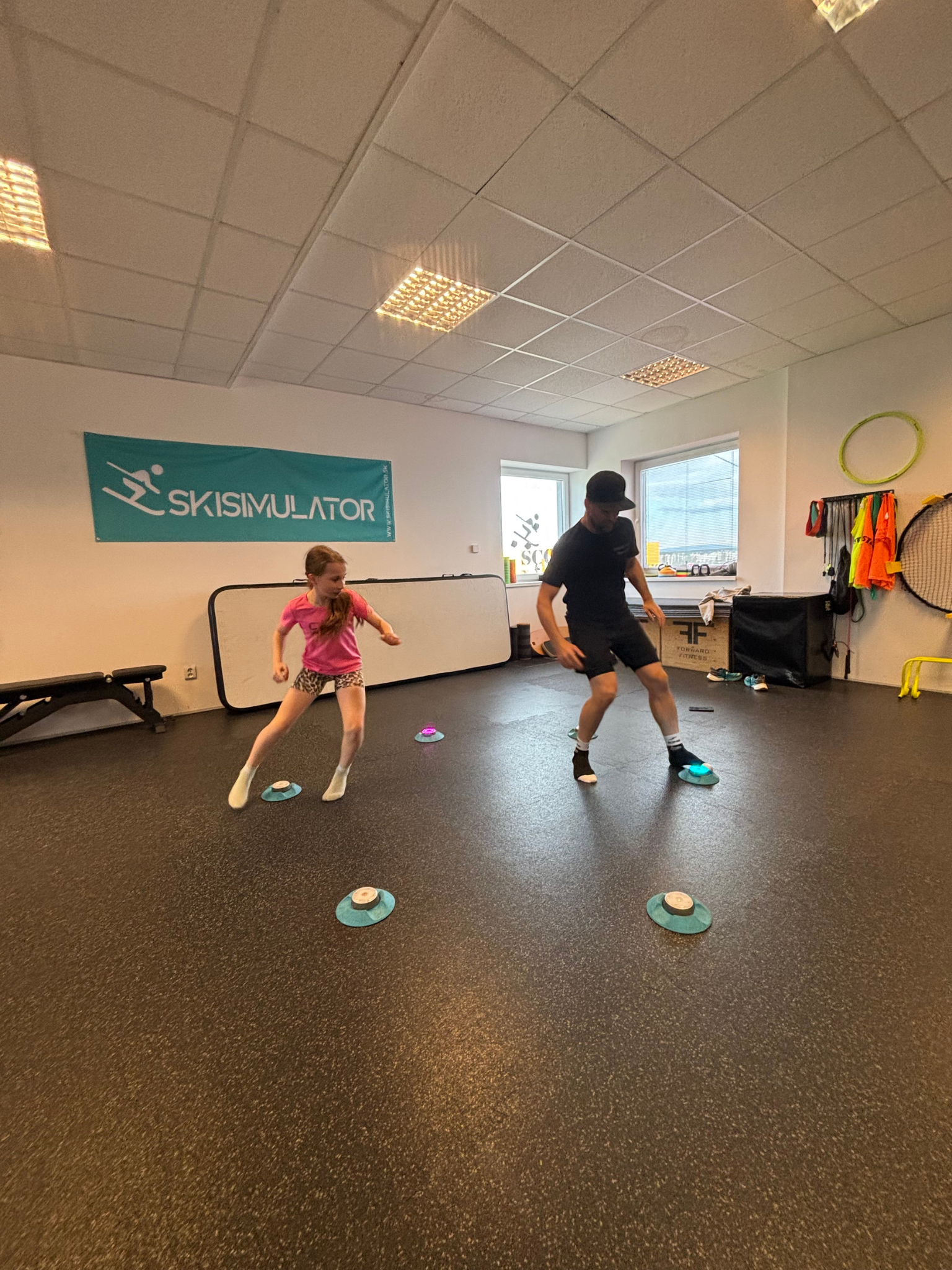 Using BlazePods in Training, credit: Darka Sefcik Starnova
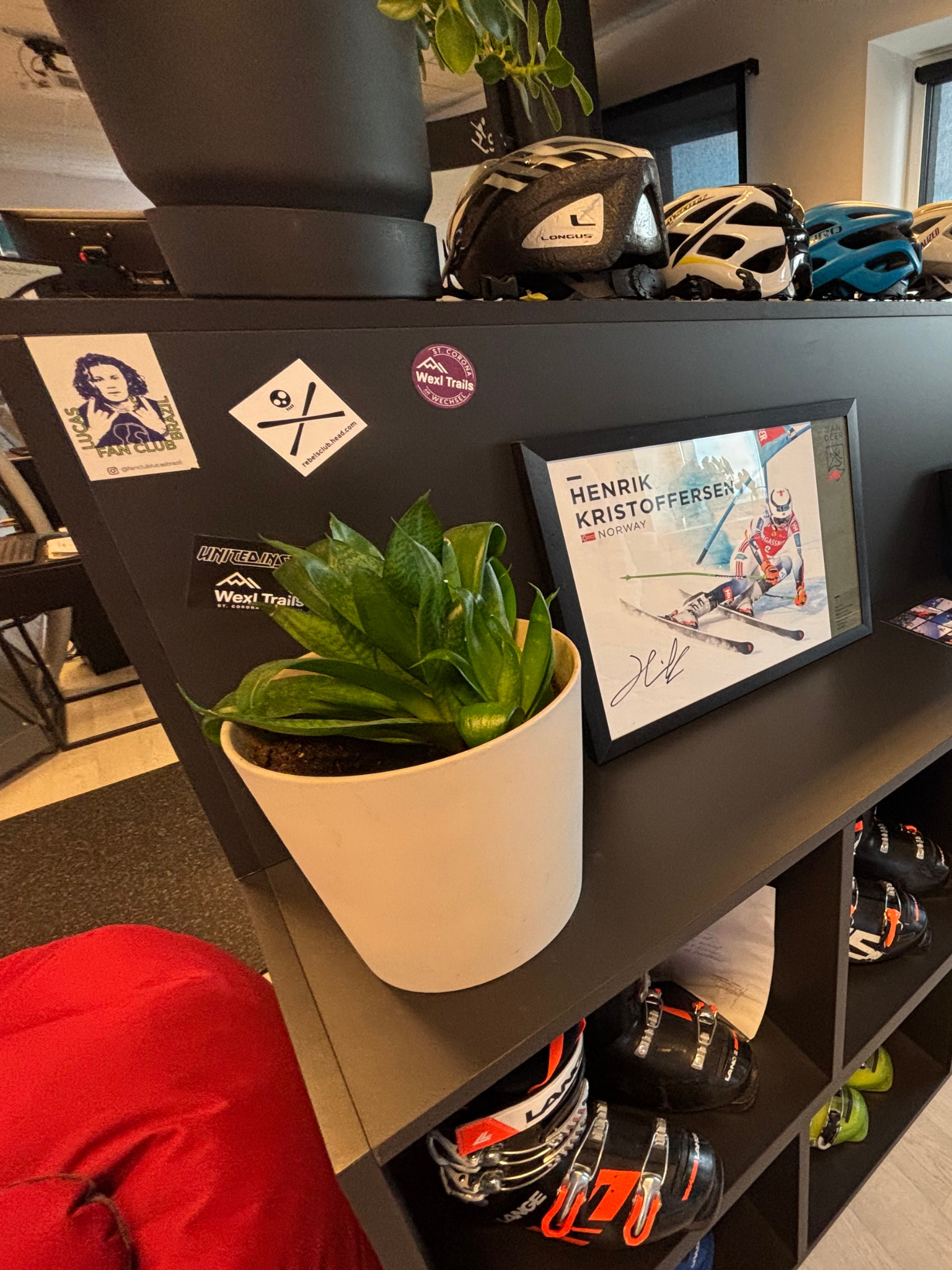 Ski-Themed Design, credit: Darka Sefcik Starnova
Širillová also has a strong eye for interior design, and the space feels intentionally built to motivate young skiers.
The walls are decorated with race bibs, signed posters, and fan banners. Together with her family, she has attended many World Cup races around the world.
“We’ve been to Levi, Jasná, Flachau, Kranjska Gora, and Špindlerův Mlýn,” she says.
“The energy around a World Cup finish area is difficult to describe until you experience it yourself.”
“With the signed posters, we want to motivate young racers and show them that one day they could also be up there on that wall.”
Click the images to enlarge
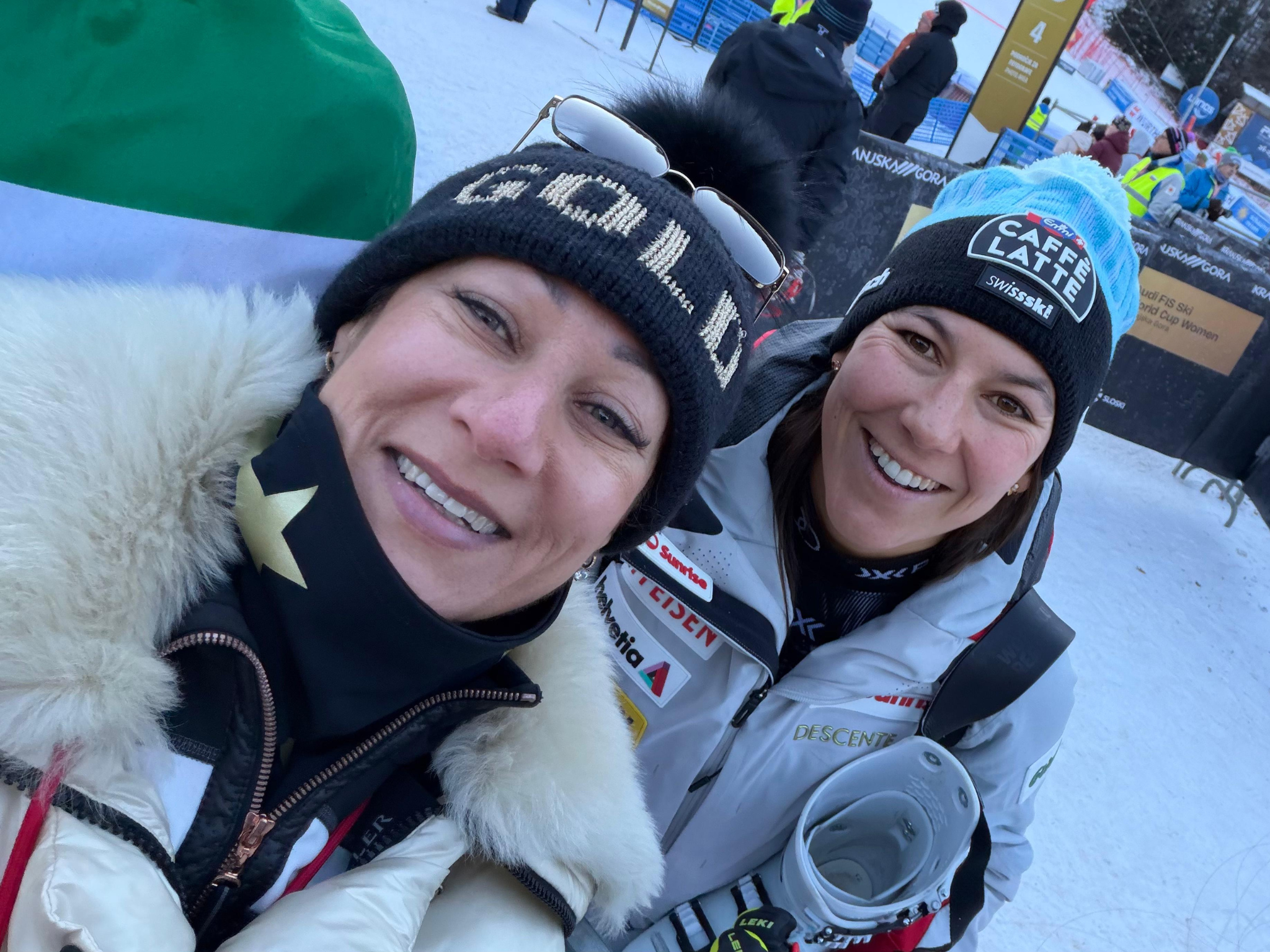 Eva Širillová and Wendy Holdener in Kranjska Gora, credit: Eva Širillová
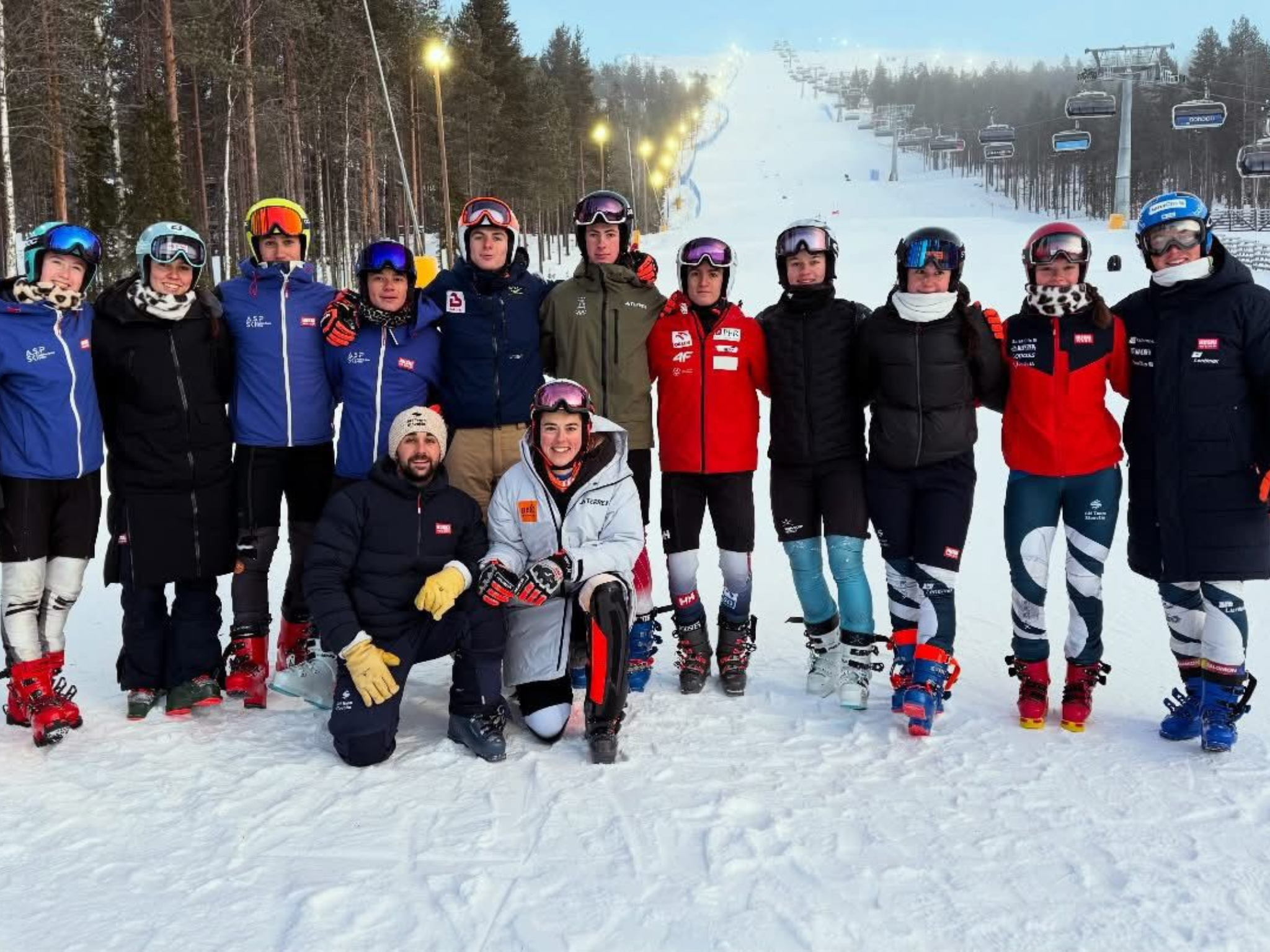 Ladislav Širilla at His Ski Camp in Levi (Including a Motivational Meeting with Petra Vlhová), credit: Eva Širillová
Inclusion in Practice
Over time, the project gradually expanded far beyond ski racing technique.
People with physical and intellectual disabilities also began visiting the centre for training.
“I had an almost hour-long phone call with a friend whose son with Down syndrome had an amazing session with us,” says Širillová.
“They simply couldn’t stop talking about the experience.”
She quickly realized how limited sporting opportunities still remain for many children with disabilities.
“Practice showed us that we could provide many of the safe conditions these children need.”
The indoor skiing platform offers possibilities both for seated skiers using mono-skis and for athletes with reduced mobility through adaptive platforms designed specifically for rehabilitation and movement training.
The centre also began working with children with autism.
“That required a great deal of empathy and patience because every child reacted differently to the environment and stimulation,” says Širillová.
“The safe environment played a huge role in helping them progress.”
Eventually, the centre also became a meeting place for families with special-needs children, particularly during bad weather.
Rehabilitation and Recovery Through Movement
One experience especially stayed with Širillová.
“We worked with a woman recovering from a stroke who had partial paralysis on one side of her body,” she explains.
“At first she could only make turns to one side and couldn’t return back properly. But after several sessions she gradually regained movement, and today she is skiing again.”
For Hrehor, the technology also creates important possibilities for visually impaired skiers.
“In addition to not needing a guide in this environment, visually impaired athletes can safely develop movement patterns and sensations that later transfer onto snow,” he explains.
“Without sharp vision, they rely heavily on their other senses, so developing that feeling for movement becomes incredibly important.”
Click the images to enlarge
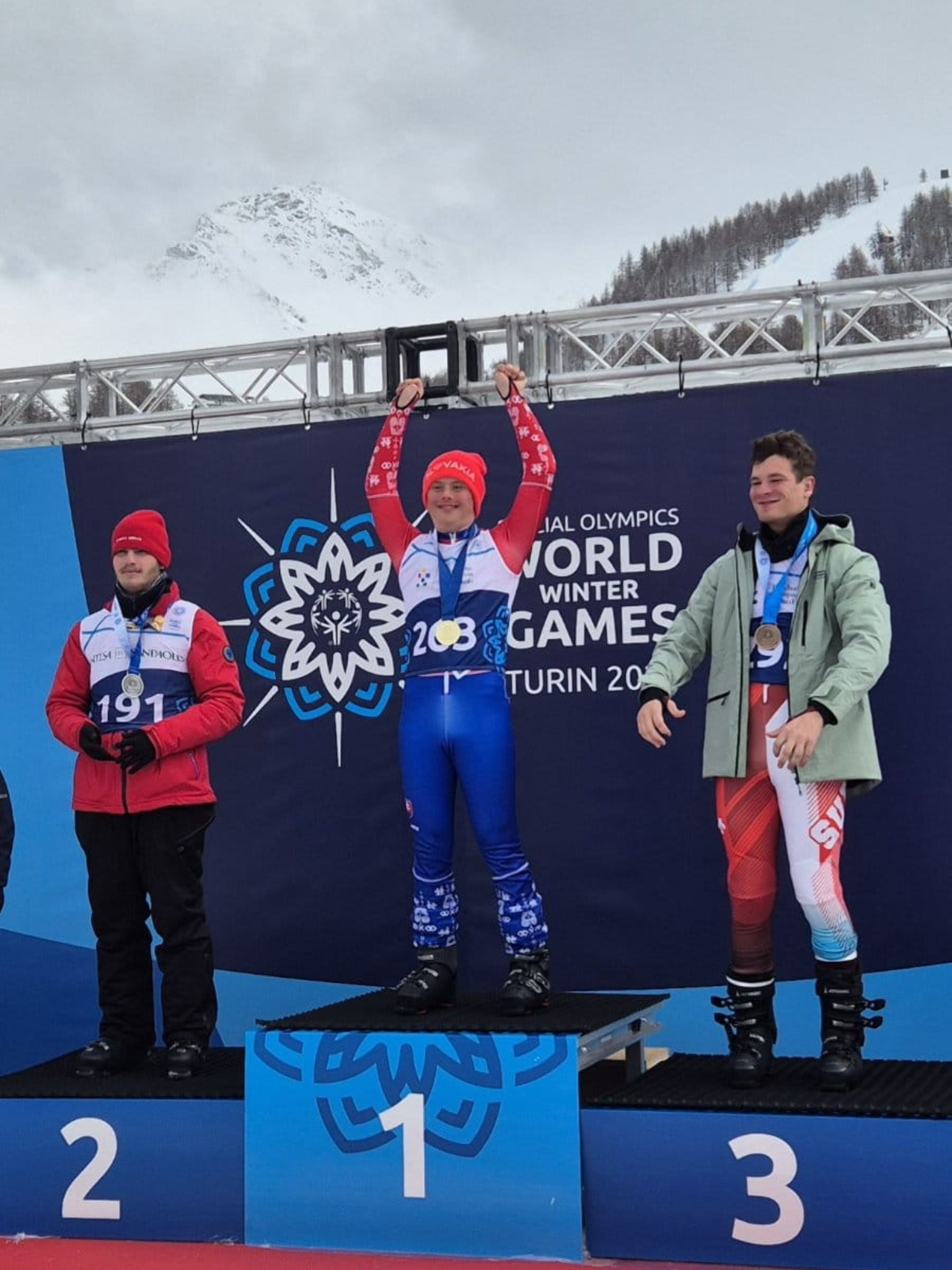 Adam Kalafut – Gold Medallist at the 2025 Special Olympics in Turin, credit: Kalafut
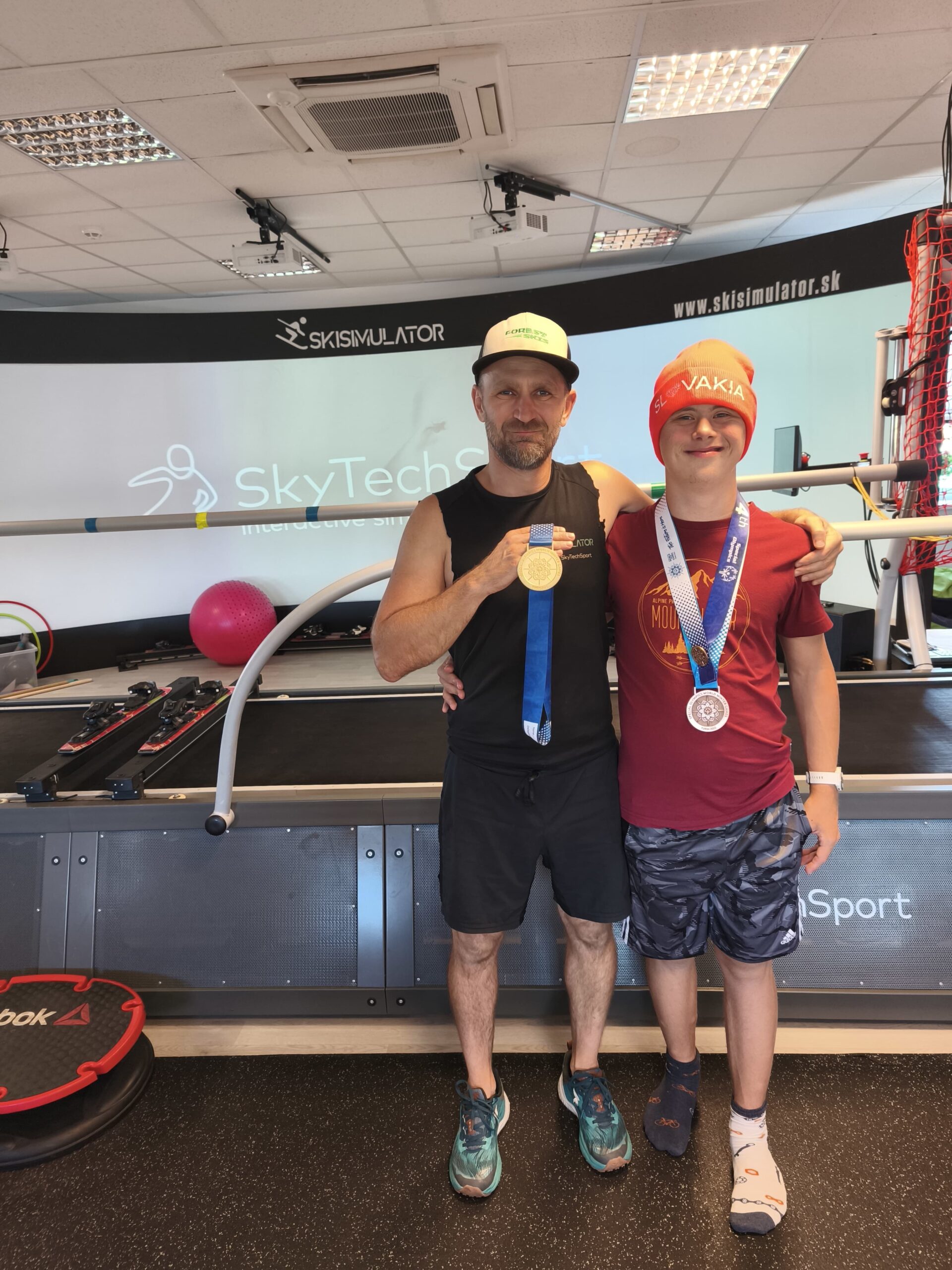 Adam Kalafut with His Medals and Coach, credit: Kalafut
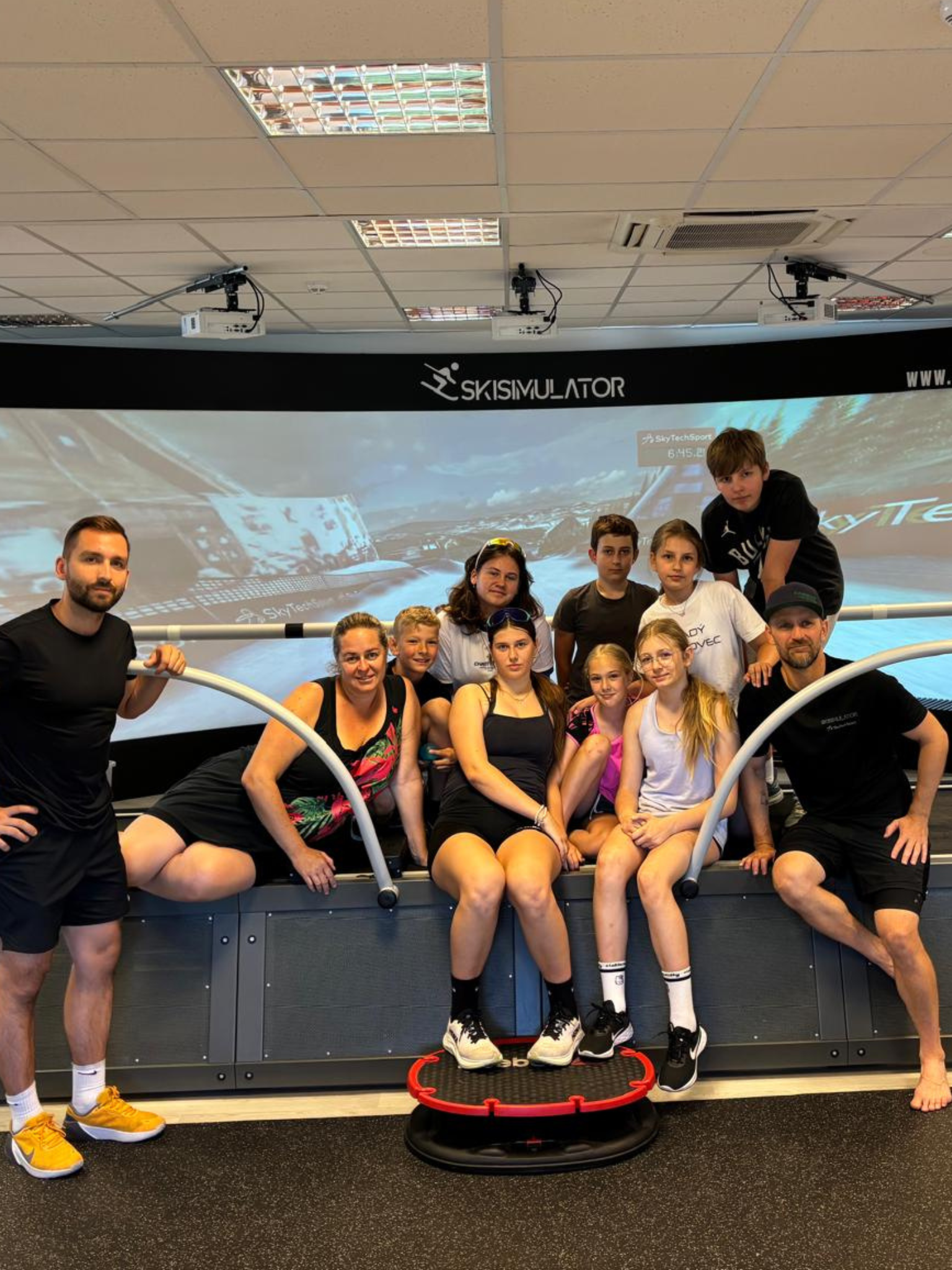 The Training Crew, credit: Ski Simulator Košice
Success Stories and Research Plans
Adam Kalafut, a skier with Down syndrome from Košice, became a gold medallist at the 2025 Special Olympics in Turin.
His mother speaks very positively about the experience at the centre.
“Adam has Down syndrome, and training here has become an important part of his life,” says Mrs. Kalafutová.
“It’s not only about skiing preparation, but about building self-confidence, independence, and joy through movement.”
She says the family noticed major improvements in:
balance,
coordination,
strength,
and confidence on snow.
“What means even more to us is that he isn’t separated from others. He trains in an environment where he receives individual attention while still feeling part of a wider sporting community.”
The transition onto snow also became easier.
“He feels more confident and stable on the slopes now, and he enjoys skiing much more.”
Looking Toward Rehabilitation Research
Now, Širillová hopes the project can continue evolving even further.
Košice is home to universities and medical research facilities, and she believes the indoor skiing platform could eventually contribute to rehabilitation research — not only for injured ski racers returning to snow, but also for patients recovering from serious health complications.
What started as a mother searching for summer ski training may ultimately become something much larger: a place where sport, movement, rehabilitation, and inclusion meet.