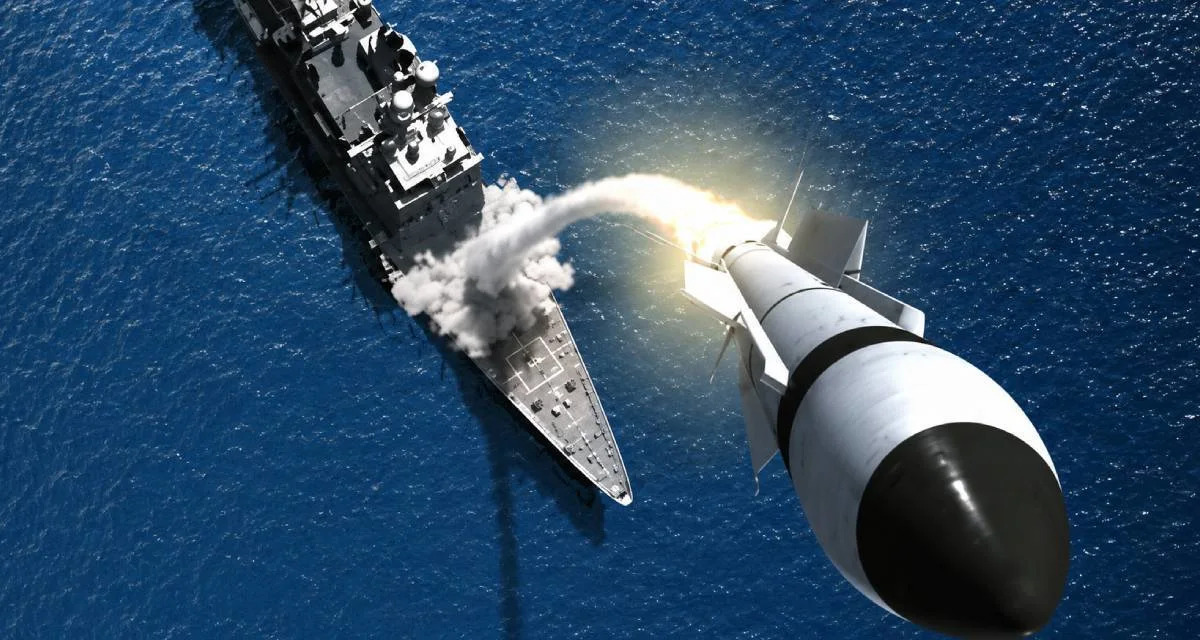
Missile threats have evolved faster than almost any other weapon system on the planet, and NATO has had to keep up. From ballistic missiles that travel across continents to cruise missiles that fly low and fast, modern threats give defenders only seconds to react. That’s why NATO has built a layered network of air defense systems designed to detect, track, and intercept incoming threats at every stage. Here, History Computer is taking a closer look at the systems that stand between modern missile attacks and their targets.
To identify the air defense systems used by NATO, History Computer reviewed various historical and military sources. We included supplemental information for each system regarding the defense layer, primary threat countered, engagement range, and the key defense capability introduced.
Here is a look at the air defense systems NATO built to stop modern missile threats:Why Are We Covering This?

Understanding the air defense systems NATO built to stop modern missile threats is essential to understanding how the alliance protects its territory in an era of rapidly evolving weapons. Today’s missiles are faster, more precise, and more difficult to intercept than ever before, making defense a complex, multi-layered challenge. NATO’s response has been to develop an integrated network of sensors, interceptors, and command systems that work together in real time. This article highlights the systems that make that possible, showing how detection, coordination, and interception combine to form one of the most advanced defensive architectures in the world.
Missile Threats Are Faster and Harder to Stop

©Public Domain / Wikimedia Commons – Original
Modern missile threats have evolved dramatically, with ballistic, cruise, and emerging hypersonic weapons traveling faster, lower, and with greater maneuverability than ever before. These advancements have compressed reaction times and made traditional air defenses increasingly difficult to rely on. In earlier eras, defenders had more time to identify and respond to incoming threats, but today’s systems must operate within seconds. As a result, stopping a missile is no longer a simple engagement—it requires advanced detection, rapid decision-making, and multiple opportunities to intercept the threat before it reaches its target.
NATO Built a Layered Defense System

©Public Domain / Wikimedia Commons – Original
To counter these advanced threats, NATO has developed a layered missile defense architecture designed to engage threats at multiple points along their trajectory. Long-range systems are positioned to intercept ballistic missiles in their early or midcourse phases, while medium-range systems provide coverage against cruise missiles and aircraft. Closer to the target, short-range and point defense systems act as the final line of protection. This layered approach ensures redundancy, meaning that if one interception attempt fails, others can still succeed. It reflects a shift toward comprehensive, multi-tiered defense strategies.
Detection Comes Before Interception

Effective missile defense begins with the ability to detect and track threats as early as possible. Advanced radar systems and sensor networks allow NATO to monitor vast areas and identify missile launches in real time. This early warning capability is essential, as it provides the time needed to analyze the threat and coordinate a response. Without accurate detection and tracking, interceptor systems would be unable to engage targets effectively. In modern missile defense, information is the foundation upon which all other capabilities depend.
Networks Turn Systems Into One Defense

Modern missile defense systems are most effective when they operate as part of a unified network rather than as isolated units. Through integrated command systems and data-sharing technologies, NATO can connect multiple platforms across land, sea, and air. This connectivity allows different systems to share sensor data, coordinate engagements, and respond to threats more efficiently. By linking these capabilities together, NATO creates a cohesive defense structure that is more resilient and adaptable than any single system operating alone.
Speed of Response Is Everything

As missile technology continues to advance, the speed at which engagements occur has increased significantly, leaving little room for delay or error. Modern missile defense systems must process vast amounts of data and make decisions almost instantaneously. Automated systems and rapid-response interceptors play a crucial role in ensuring that threats are neutralized before they can cause damage. In this high-speed environment, the ability to act quickly is just as important as the ability to detect and track incoming missiles, making speed a defining factor in modern air defense.
MIM-104 Patriot

Country / Organization: United States
Defense Layer: Long-Range (BMD)
Primary Threat Countered: Ballistic Missiles, Cruise Missiles, Aircraft
Key Capability Introduced: Terminal interception with advanced radar
Role in NATO Kill Chain: Interception
How It Stops Modern Missile Threats: Intercepts ballistic and cruise missiles in terminal phase
The Patriot system forms the backbone of NATO’s ground-based missile defense, particularly in countering ballistic and cruise missile threats in their terminal phase. Using advanced radar and interceptor missiles, it can track and engage incoming targets with high precision. Its ability to operate in contested environments and integrate with other NATO systems makes it a key component of layered defense. Patriot batteries are often deployed to protect critical infrastructure and population centers, providing a reliable shield against a wide range of aerial threats.
THAAD

©Public Domain / Wikimedia Commons
Country / Organization: United States
Defense Layer: Long-Range (BMD)
Primary Threat Countered: Ballistic Missiles
Engagement Range: Exo-atmospheric
Key Capability Introduced: High-altitude interception
Role in NATO Kill Chain: Interception
How It Stops Modern Missile Threats: Destroys ballistic missiles outside or at edge of atmosphere
THAAD provides NATO with the capability to intercept ballistic missiles at high altitudes, either just outside or at the edge of the atmosphere. This creates an additional defensive layer above systems like Patriot, increasing the likelihood of successful interception. By destroying missiles before they re-enter the atmosphere, THAAD reduces the risk of debris and damage on the ground. Its long-range radar and interceptor system make it a critical asset for defending against advanced ballistic threats.
Aegis Ballistic Missile Defense (BMD)

©national_museum_of_the_us_navy / Flickr
System Type: Integrated System
Country / Organization: United States/NATO
Defense Layer: Long-Range (BMD)
Primary Threat Countered: Ballistic Missiles
Engagement Range: Exo-atmospheric
Key Capability Introduced: Sea-based BMD capability
Role in NATO Kill Chain: Fire control / targeting
How It Stops Modern Missile Threats: Tracks and engages ballistic threats from sea platforms
Aegis BMD extends NATO’s missile defense capabilities to the sea, allowing naval platforms to detect, track, and engage ballistic missiles. Using powerful radar and interceptor missiles, Aegis-equipped ships can provide mobile defense coverage across large areas. This flexibility allows NATO to position missile defense assets where they are needed most. Aegis BMD integrates with other systems, contributing to a coordinated defense network that enhances overall effectiveness against missile threats.
SM-3 Interceptor

Country / Organization: United States
Defense Layer: Long-Range (BMD)
Primary Threat Countered: Ballistic Missiles
Engagement Range: Exo-atmospheric
Key Capability Introduced: Hit-to-kill interception
Role in NATO Kill Chain: Interception
How It Stops Modern Missile Threats: Destroys ballistic missiles in midcourse phase
The SM-3 interceptor is designed to destroy ballistic missiles during their midcourse phase, using a hit-to-kill approach that relies on kinetic energy rather than explosives. This capability allows NATO to engage threats far from their intended targets, increasing defensive depth. Deployed on Aegis-equipped ships, the SM-3 provides a critical layer of protection against long-range missile threats. Its precision and range make it a key component in the broader missile defense architecture.
SAMP/T (Aster 30)

©Public Domain / Wikimedia Commons – Original
Country / Organization: France/Italy
Defense Layer: Medium-Range
Primary Threat Countered: Ballistic Missiles, Aircraft
Key Capability Introduced: High agility missile defense
Role in NATO Kill Chain: Interception
How It Stops Modern Missile Threats: Engages aircraft and ballistic threats at medium range
SAMP/T, equipped with the Aster 30 missile, provides medium-range air and missile defense for NATO forces. It is capable of intercepting both aircraft and ballistic missiles, offering flexibility in a variety of scenarios. Its high agility and advanced guidance systems allow it to engage fast-moving targets effectively. As part of NATO’s layered defense, SAMP/T fills the gap between long-range and short-range systems, ensuring continuous protection across different threat levels.
NASAMS

Country / Organization: Norway/United States
Defense Layer: Medium-Range
Primary Threat Countered: Cruise Missiles, Aircraft
Key Capability Introduced: Networked air defense
Role in NATO Kill Chain: Interception
How It Stops Modern Missile Threats: Protects against low-flying cruise missiles and aircraft
NASAMS is a highly adaptable air defense system designed to counter cruise missiles and aircraft. It uses networked sensors and interceptor missiles to provide flexible coverage over wide areas. Its ability to integrate with other NATO systems allows it to contribute to a unified defense network. NASAMS is particularly effective against low-flying threats that are difficult to detect, making it an essential component of modern air defense strategies focused on protecting urban and strategic areas.
IRIS-T SLM

Country / Organization: Germany
Defense Layer: Medium-Range
Primary Threat Countered: Cruise Missiles, Aircraft
Key Capability Introduced: Infrared-guided interception
Role in NATO Kill Chain: Interception
How It Stops Modern Missile Threats: Destroys maneuvering aerial threats
IRIS-T SLM provides advanced medium-range air defense with a focus on intercepting maneuvering aerial threats such as cruise missiles and aircraft. Its infrared-guided missiles are highly effective against targets that attempt to evade radar detection. This capability enhances NATO’s ability to counter sophisticated threats in contested environments. By combining mobility with advanced interception technology, IRIS-T SLM strengthens the overall resilience of NATO’s air defense network.
CAMM / Sky Sabre

Country / Organization: United Kingdom
Defense Layer: Medium-Range
Primary Threat Countered: Cruise Missiles, Aircraft
Key Capability Introduced: Active radar homing
Role in NATO Kill Chain: Interception
How It Stops Modern Missile Threats: Provides rapid response to aerial threats
The CAMM-based Sky Sabre system offers rapid-response air defense with advanced active radar-guided missiles. It is designed to engage multiple targets simultaneously, including fast-moving cruise missiles. Its modular design and integration with modern radar systems make it highly adaptable. Sky Sabre plays a key role in protecting critical assets and infrastructure, providing a responsive and reliable defense against a variety of aerial threats within NATO’s layered defense framework.
C-RAM

©Public Domain / Wikimedia Commons – Original
System Type: Point Defense
Country / Organization: United States
Defense Layer: Short-Range / Point Defense
Primary Threat Countered: Rockets, Artillery
Key Capability Introduced: Rapid-fire interception
Role in NATO Kill Chain: Interception
How It Stops Modern Missile Threats: Destroys incoming rockets and artillery rounds
C-RAM systems are designed to provide last-line defense against rockets, artillery, and mortar rounds. Using rapid-fire guns and advanced targeting systems, C-RAM can intercept incoming threats at very short ranges. This capability is essential for protecting forward operating bases and other high-risk areas. While limited in range, C-RAM plays a critical role in NATO’s defense architecture by addressing threats that penetrate outer layers of defense.
MANTIS

System Type: Point Defense
Country / Organization: Germany
Defense Layer: Short-Range / Point Defense
Primary Threat Countered: Rockets, Artillery
Key Capability Introduced: Automated gun system
Role in NATO Kill Chain: Interception
How It Stops Modern Missile Threats: Defends fixed sites from short-range threats
MANTIS is a short-range air defense system focused on protecting fixed installations from incoming projectiles. It uses automated guns and advanced sensors to detect and destroy threats such as rockets and artillery shells. Its high level of automation allows for rapid response times, which are critical in close-range defense scenarios. MANTIS complements other systems by providing an additional layer of protection against threats that evade longer-range defenses.
Phalanx CIWS

©Paraxade, CC0, via Wikimedia Commons
System Type: Point Defense
Country / Organization: United States
Defense Layer: Short-Range / Point Defense
Primary Threat Countered: Missiles, Aircraft
Key Capability Introduced: Close-in rapid-fire defense
Role in NATO Kill Chain: Interception
How It Stops Modern Missile Threats: Provides last-line defense against incoming missiles
Phalanx CIWS serves as the final line of defense for naval vessels, using a rapid-fire cannon to intercept incoming missiles and aircraft at close range. Its automated targeting system allows it to respond quickly to fast-moving threats. While it operates at very short distances, its effectiveness is critical in preventing damage when other defense layers fail. Phalanx highlights the importance of having multiple defensive layers to ensure comprehensive protection.
Aegis Combat System

©Public Domain / Wikimedia Commons – Original
System Type: Integrated System
Country / Organization: United States/NATO
Defense Layer: Network Integration
Primary Threat Countered: Ballistic Missiles, Aircraft
Key Capability Introduced: Integrated radar and fire control
Role in NATO Kill Chain: Fire control / targeting
How It Stops Modern Missile Threats: Coordinates tracking and engagement across fleet
The Aegis Combat System integrates radar, weapons, and command systems into a single platform, enabling ships to manage complex air and missile threats. Its ability to track and engage multiple targets simultaneously makes it a cornerstone of naval air defense. Aegis enhances situational awareness and coordination, allowing fleets to respond effectively to dynamic threats. It represents a shift toward highly integrated defense systems that combine multiple capabilities into a unified framework.
SM-2 Missile

©Public Domain / Wikimedia Commons – Original
Country / Organization: United States
Defense Layer: Medium-Range
Primary Threat Countered: Aircraft, Cruise Missiles
Key Capability Introduced: Area air defense
Role in NATO Kill Chain: Interception
How It Stops Modern Missile Threats: Engages aircraft and cruise missiles at range
The SM-2 missile provides medium-range air defense against aircraft and cruise missiles, forming a key part of naval defense systems. Its guidance systems allow it to engage targets at significant distances, reducing the threat before it reaches critical range. By extending the defensive perimeter, SM-2 enhances the survivability of naval forces. It plays a vital role in layered defense, bridging the gap between long-range interceptors and close-in systems.
ESSM

©Public Domain / Wikimedia Commons
Country / Organization: United States/NATO
Defense Layer: Short-Range / Point Defense
Primary Threat Countered: Cruise Missiles, Aircraft
Key Capability Introduced: Ship self-defense missile
Role in NATO Kill Chain: Interception
How It Stops Modern Missile Threats: Protects ships from incoming threats
The Evolved Sea Sparrow Missile (ESSM) is designed for short- to medium-range defense against incoming missiles and aircraft. Its agility and quick response time make it highly effective in protecting ships from fast-moving threats. ESSM is often used in conjunction with other systems to provide layered defense. Its ability to intercept threats at close range adds an important layer of protection, ensuring that ships have multiple opportunities to neutralize incoming attacks.
AN/TPY-2 Radar

©Public Domain / Wikimedia Commons – Original
Country / Organization: United States
Defense Layer: Early Warning
Primary Threat Countered: Ballistic Missiles
Key Capability Introduced: High-resolution tracking
Role in NATO Kill Chain: Tracking & discrimination
How It Stops Modern Missile Threats: Detects and tracks ballistic missiles early
The AN/TPY-2 radar provides high-resolution tracking and discrimination of ballistic missile threats. It plays a critical role in the early detection phase of the missile defense kill chain. By identifying and tracking incoming missiles at long distances, it enables other systems to prepare for interception. Its precision and range make it a key component in NATO’s ability to respond to advanced missile threats.
SPY-1 Radar

©Public Domain / Wikimedia Commons – Original
Country / Organization: United States
Defense Layer: Early Warning
Primary Threat Countered: Aircraft, Missiles
Key Capability Introduced: Phased-array tracking
Role in NATO Kill Chain: Tracking & discrimination
How It Stops Modern Missile Threats: Tracks multiple aerial threats simultaneously
The SPY-1 radar is a phased-array system that provides continuous tracking of multiple targets. It forms the backbone of the Aegis Combat System, enabling ships to detect and track threats in real time. Its ability to manage large volumes of data allows for effective coordination of defensive actions. SPY-1 enhances situational awareness and supports rapid decision-making, which is essential in modern missile defense operations.
SPY-6 Radar

©Public Domain / Wikimedia Commons – Original
Country / Organization: United States
Defense Layer: Early Warning
Primary Threat Countered: Ballistic Missiles, Aircraft
Key Capability Introduced: Next-gen sensitivity
Role in NATO Kill Chain: Tracking & discrimination
How It Stops Modern Missile Threats: Improves detection of advanced threats
The SPY-6 radar represents the next generation of naval radar technology, offering improved sensitivity and detection capabilities. It can identify and track smaller and more advanced threats, including those designed to evade traditional systems. This enhanced capability strengthens NATO’s ability to detect and respond to emerging missile threats. SPY-6 ensures that naval forces remain effective in increasingly complex threat environments.
NATINAMDS

System Type: Integrated Network
Country / Organization: NATO
Defense Layer: Network Integration
Primary Threat Countered: All threats
Key Capability Introduced: Alliance-wide coordination
Role in NATO Kill Chain: Network coordination
How It Stops Modern Missile Threats: Links all NATO air defense systems together
NATINAMDS is NATO’s integrated air and missile defense network, linking multiple systems across member nations. It enables coordination and information sharing, allowing for a unified response to threats. By integrating various defense systems, NATINAMDS enhances overall effectiveness and ensures that gaps in coverage are minimized. It represents the importance of cooperation and interoperability in modern defense strategies.
Integrated Air and Missile Defense (IAMD)
System Type: Integrated Network
Country / Organization: United States/NATO
Defense Layer: Network Integration
Primary Threat Countered: All threats
Key Capability Introduced: Layered defense integration
Role in NATO Kill Chain: Network coordination
How It Stops Modern Missile Threats: Combines multiple systems into unified defense
IAMD combines multiple defense systems into a cohesive framework, providing layered protection against a wide range of threats. This approach ensures that if one layer fails, others can compensate. By integrating sensors, interceptors, and command systems, IAMD enhances coordination and response speed. It reflects the complexity of modern missile threats and the need for a comprehensive defense strategy.
Cooperative Engagement Capability (CEC)

Country / Organization: United States/NATO
Defense Layer: Network Integration
Primary Threat Countered: Aircraft, Missiles
Engagement Range: Beyond-Horizon
Key Capability Introduced: Shared sensor data
Role in NATO Kill Chain: Fire control / targeting
How It Stops Modern Missile Threats: Allows one platform to engage using another’s data
CEC allows multiple platforms to share sensor data and coordinate engagements, enabling one system to fire using another’s targeting information. This capability extends the reach and effectiveness of missile defense systems. By creating a networked environment, CEC enhances situational awareness and allows for more flexible responses. It represents a significant advancement in how NATO coordinates its defense efforts, ensuring that all available resources can be used effectively.
The post NATO Built These Air Defense Systems to Stop Modern Missile Attacks appeared first on History-Computer.