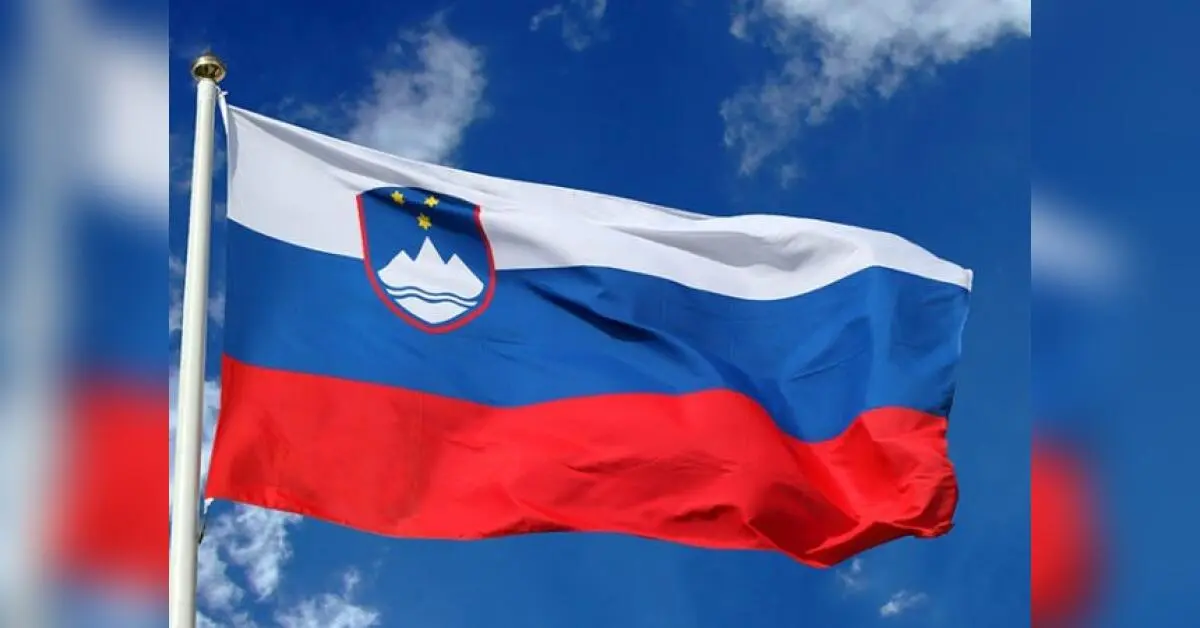
KABUL, AFGHANISTAN – The United Nations Population Fund says that Slovenia has contributed 200,000 euros to support the agency’s programs in Afghanistan.
The organization announced in a post on X on Tuesday (May 12) that it is grateful to the government of Slovenia for the contribution.
The United Nations Population Fund said that the assistance will help provide women and girls with access to vital reproductive health services and essential support.
The organization added that the contribution will also enable it to reach the most vulnerable people across Afghanistan.
The aid comes at a time when the United Nations’ humanitarian funding appeal for Afghanistan in 2026 has been only 14.77 percent funded.
Meanwhile, Afghanistan continues to face one of the world’s most severe humanitarian crises. According to recent humanitarian reports, nearly 22.9 million people remain in need of assistance, while millions continue to face acute hunger, malnutrition, and the effects of recurring drought, natural disasters, and economic decline.
In addition, large-scale returns from neighboring countries have placed further pressure on already fragile systems across the country.
The United Nations Office for the Coordination of Humanitarian Affairs (OCHA) has separately appealed for $1.72 billion to assist 17.5 million people identified as priorities for humanitarian support in Afghanistan this year.
Aid organizations have repeatedly warned that severe funding shortfalls, particularly following cuts in U.S. assistance, are undermining relief operations and limiting the delivery of food, shelter, and healthcare services to millions of people across the country.
Humanitarian agencies continue to call for immediate and sustained international support to prevent further deterioration in conditions, particularly for women and children.
Therefore, although Slovenia’s contribution is modest compared to the overall funding shortfall, it represents an important step in sustaining critical humanitarian efforts.
Aid agencies have repeatedly warned that without greater international support, millions of vulnerable Afghans, particularly women and children, could face even greater challenges in accessing essential health and social services.