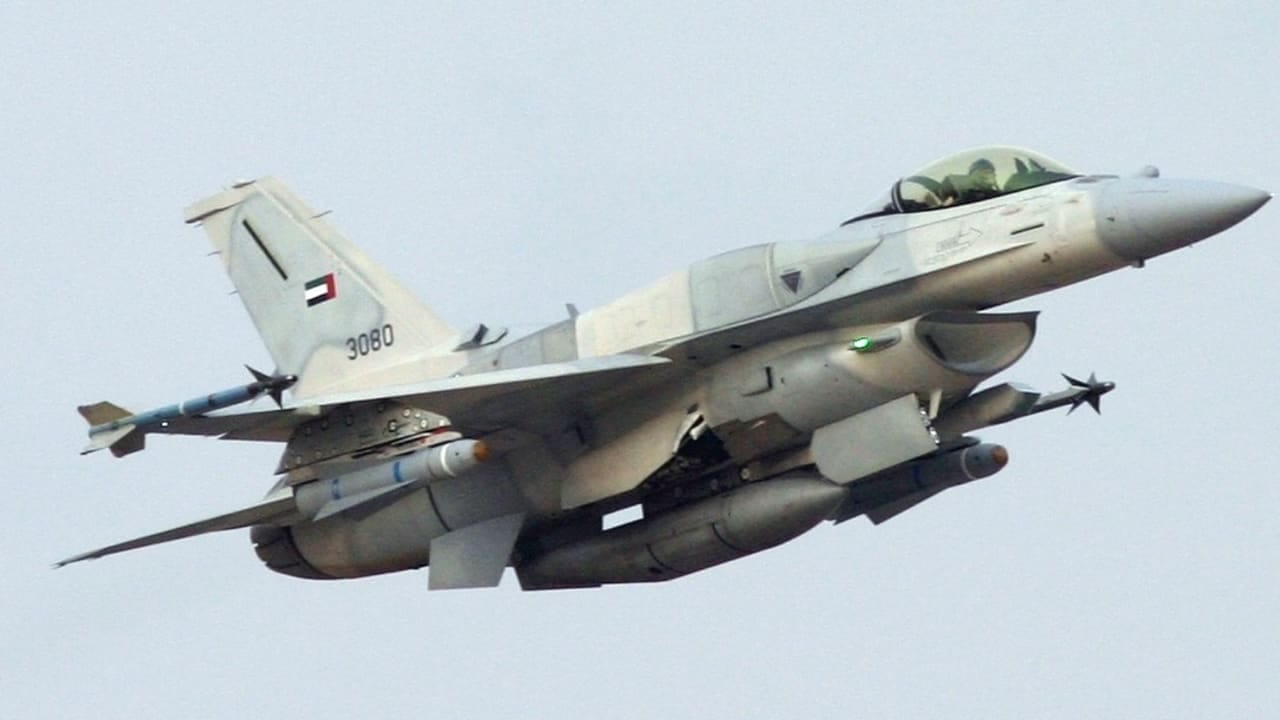
The United Arab Emirates attempted to persuade neighboring Gulf States, including Saudi Arabia and Qatar, to coordinate a military response to Iran’s missile, rocket, and drone attacks during the recent war, with Abu Dhabi’s leadership feeling frustrated when neighbors refused, people familiar with the matter said to Bloomberg on Friday.
UAE President Sheikh Mohammed bin Zayed Al Nahyan (MBZ) held several phone calls with other leaders, including Saudi Crown Prince Mohammed bin Salman Al Saud, shortly after Israel and the US began striking Iran on February 28, the sources said.
MBZ was convinced of the need to coordinate a retaliatory response to deter Iran, according to the sources.
While he began working with the Trump administration and Jerusalem, MBZ’s neighbors told him that it was not their war to join. This worsened the already-strained relations between the UAE and Saudi Arabia, a source told the outlet.
Further, the Trump administration was aware of the UAE’s proposal and attempted to push Saudi Arabia and Qatar to join, a person familiar with the matter said.
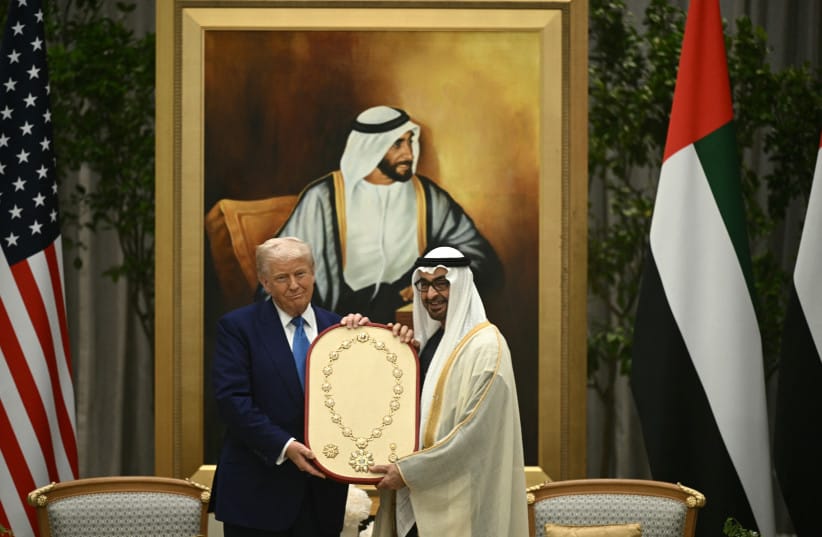 US President Donald Trump receives the Order of Zayed, UAE’s highest civil decoration named after the first president of the UAE, Zayed bin Sultan Al Nahyan, from his UAE counterpart Sheikh Mohamed bin Zayed Al Nahyan, at Qasr Al-Watan/Palace of the Nation in Abu Dhabi on May 15, 2025; illustrative. (credit: BRENDAN SMIALOWSKI/AFP via Getty Images)
MBZ attempted to convince Gulf Cooperation Council members by stating that the GCC was founded in 1981 due to threats posed by Iran’s 1979 Islamic Revolution.
These details offer a possible explanation for why the UAE appears to be angry at its neighbors, culminating in a withdrawal from OPEC and OPEC+ in late April, as well as growing ties with Israel, the report noted.
Despite lacking support from the Gulf states, the UAE has carried out limited attacks against Iran, including in both March and April, people familiar with the matter were cited as saying.
Iran launched most intense barrage against UAE during recent war
The UAE was the most heavily targeted country during the war. Tehran fired almost 3,000 drones and hundreds of missiles towards the Emirates before a truce was agreed.
Last week, Iran hit the UAE’s key oil port of Fujairah, near the Strait of Hormuz.
Despite MBZ’s plan, Saudi Arabia struck Iran on its own in March without coordinating with the UAE.
The Saudis then changed course and helped facilitate Pakistan’s attempts at mediation between the US and Iran, the sources said.
Emirati and Saudi government spokespeople did not respond to Bloomberg’s requests for comment.
Qatar also considered striking Iran after the Islamic regime hit the world’s largest liquefied natural gas plant, Ras Laffan, in March, a Gulf official told the outlet.
However, Doha decided against the move, instead positioning itself to play a role in de-escalation.
Bahrain and Kuwait, which are usually closely aligned with Riyadh in defense and foreign affairs, sought to avoid any escalation of conflict.
The last GCC member state, Oman, was likely never believed to be likely to join given its closer ties with Iran, people with knowledge of the situation told Bloomberg.
Bahrain, Kuwait, and Oman also did not respond to Bloomberg’s requests for comment.