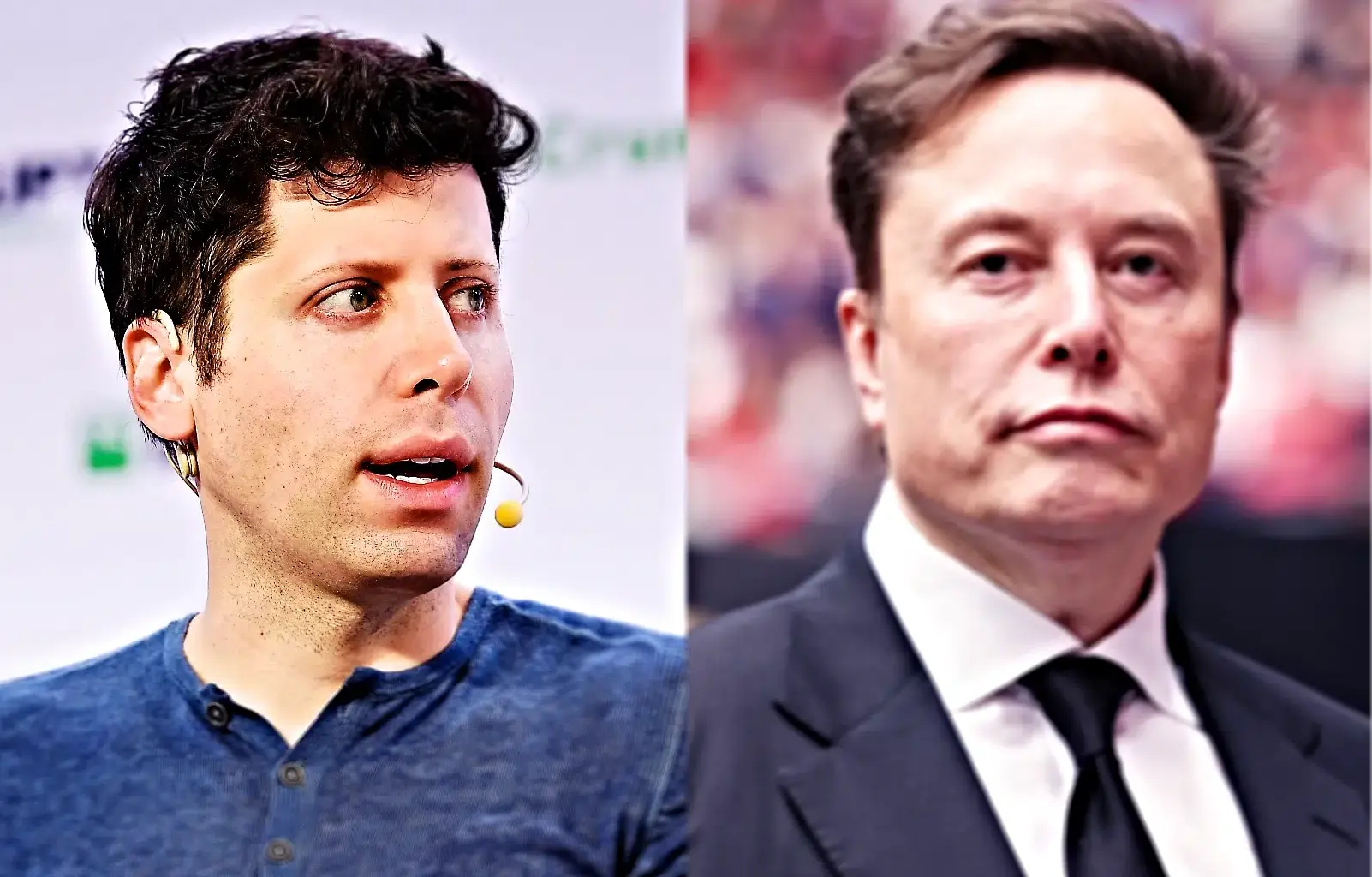
 The jury determined that the statute of limitations had expired for Musk’s claims. Credit: ColombiaOne
A federal jury in Oakland yesterday ended the legal battle Elon Musk initiated against OpenAI, the owner of ChatGPT, and its CEO, Sam Altman. The nine members of the jury unanimously decided that the entrepreneur filed his lawsuit after the deadline allowed by law. Judge Yvonne Gonzalez Rogers accepted the verdict immediately and dismissed the case entirely.
The court’s rejection clears the legal obstacles preventing Sam Altman’s company from moving toward an initial public offering before the end of the year. The court decision eliminates the risk of a protracted process that threatened the tech company’s corporate structure.
The dispute over the foundation
The feud began a decade ago when the founding group created OpenAI as a non-profit organization. The original agreement guaranteed that the technology would benefit all of humanity without the filters of commercial profit. Musk committed nearly US$40 million during the company’s formative years on the condition that OpenAI would remain free from traditional corporate structures.
His lawsuit charged Altman and Brockman with breaking that founding commitment when they restructured OpenAI into a for-profit company with Microsoft as its primary backer. The lawsuit demanded the restitution of Musk’s initial investment and the immediate termination of the business agreements with Microsoft. The plaintiff’s lawyers accused the board of directors of seeking unjust enrichment by distorting the original philanthropic purpose.
The question of time and legal prescription
The jury did not consider the ethical merits of OpenAI’s transformation. The jury determined that Musk had been aware of OpenAI’s for-profit intentions since 2017, seven years before he filed his lawsuit. Because Musk waited nearly seven years to sue, the court ruled his claims had expired under California’s three-year statute of limitations.
Internal documents presented at trial revealed that Musk participated in early discussions about converting OpenAI into a for-profit company or merging it with another firm, years before his 2018 departure. The court interpreted that the excessive delay in taking legal action invalidated the claims of deception or betrayal.
The impact of the victory for Sam Altman
The court ruling strengthens Sam Altman’s leadership position at OpenAI. Following the verdict, the company’s legal team described the lawsuit as a desperate attempt to stifle the growth of a direct competitor in the market. Musk‘s lawyers immediately announced their intention to file an appeal with the higher court.
Regarding the OpenAI case, the judge & jury never actually ruled on the merits of the case, just on a calendar technicality.
There is no question to anyone following the case in detail that Altman & Brockman did in fact enrich themselves by stealing a charity. The only question…
— Elon Musk (@elonmusk) May 18, 2026
The legal battle allowed the public to learn internal details about the company’s history and the personal rivalry between its executives. OpenAI currently operates under a complex structure that balances its philanthropic arm with its high-level commercial partnerships. Bloomberg reports that the firm’s market capitalization is approaching US$1 trillion, while financial analysts see this ruling as a definitive endorsement of Altman’s business model. The tech sector is now watching the company’s next steps as Musk continues his efforts with his own artificial intelligence firm, xAI.