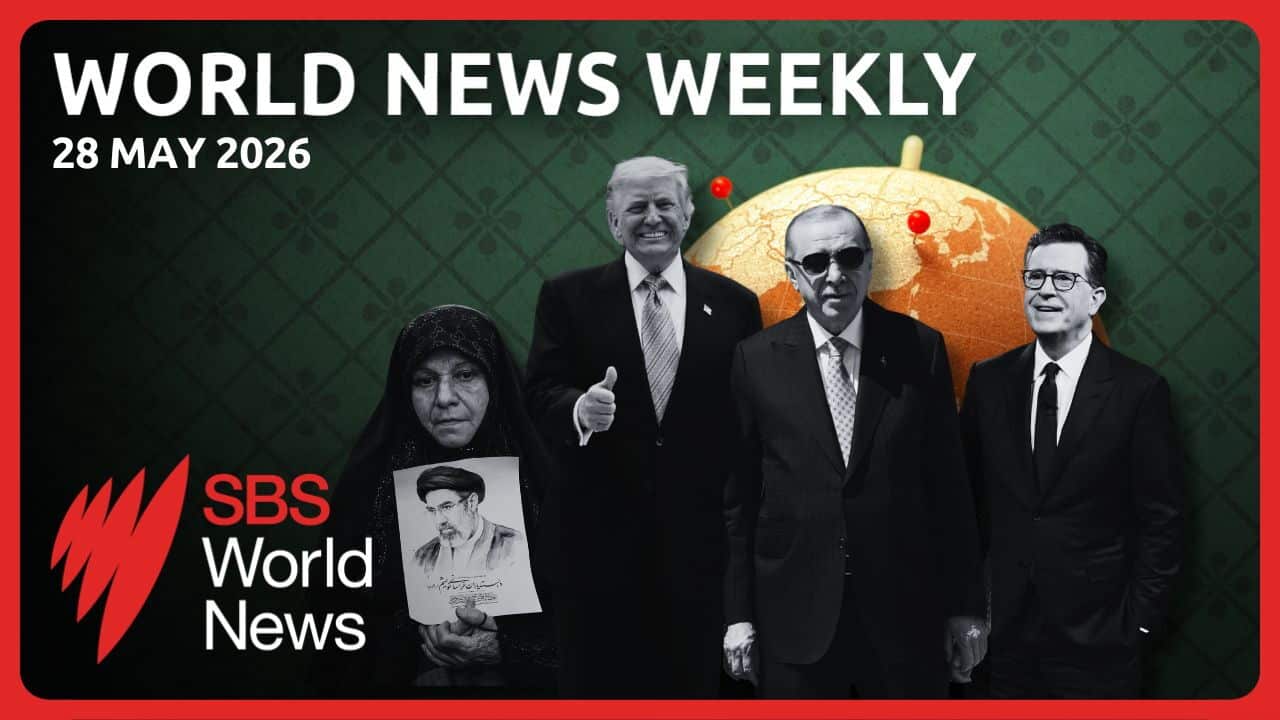
High-stakes backchannel negotiations between Washington and Tehran have reached a critical impasse, threatening to ignite a regional conflagration as military deployments intensify across the Middle East.
The collapse of diplomatic momentum arrives at a perilous moment. As Israeli Prime Minister Benjamin Netanyahu prepares an expanded offensive against Hezbollah, and the Turkish government accelerates its crackdown on political dissent, the entire strategic architecture of the region is shuddering. The diplomatic vacuum leaves millions vulnerable to escalating violence and threatens to destabilize global energy markets, placing international supply chains under unprecedented pressure.
The Diplomatic Deadlock
For months, intermediaries in Oman and Qatar have attempted to broker a fragile understanding between American and Iranian officials. The objective was to contain the spiralling violence that has engulfed the Levant and the Red Sea since late 2023. However, recent developments indicate that these secret talks have completely stalled. Intelligence sources suggest that hardline factions within the Iranian Revolutionary Guard Corps have rejected further concessions, demanding immediate sanctions relief before committing to any de-escalation protocols.
The Biden administration, facing intense domestic political scrutiny ahead of the November elections, remains entirely unwilling to offer economic reprieves without guaranteed, verifiable reductions in militia activity. The ensuing stalemate effectively neutralizes the last diplomatic off-ramp available to the international community. Military analysts warn that without a negotiated settlement, the likelihood of a direct kinetic confrontation between Western naval forces and Iranian-backed proxies increases exponentially.
Insights from the Inside
Former political prisoner Dr Kylie Moore-Gilbert, an academic who survived more than two years of incarceration in Iran’s notorious Evin Prison, provides a sobering assessment of the regime’s internal calculus. According to Moore-Gilbert, the Iranian leadership views regional instability not as a liability, but as a strategic asset. The regime is systematically leveraging external conflicts to justify internal repression, crushing domestic dissent under the guise of national security protocols.
The academic notes that the Iranian populace remains deeply disillusioned, suffering under an inflation rate that recently breached forty percent. The economic devastation has hollowed out the middle class, yet the government continues to funnel millions of dollars into its proxy networks. This profound disconnect between the ruling clerics and the citizenry creates a highly volatile internal dynamic, one that the regime attempts to manage through increasingly draconian security measures.
A Multi-Front Geopolitical Chessboard
The breakdown in talks coincides with a dangerous escalation in neighboring theaters. In Israel, Prime Minister Netanyahu has explicitly outlined intentions to launch a decisive military operation against Hezbollah positions in southern Lebanon. The Israeli Defense Forces have amassed significant armored columns along the northern frontier, preparing for what could become the most destructive cross-border conflict in two decades. This posture has drawn sharp rebukes from European allies, who fear a massive humanitarian disaster.
Simultaneously, Turkish President Recep Tayyip Erdogan has initiated a fresh wave of arrests targeting opposition figures and independent journalists. Utilizing counter-terrorism statutes, the Turkish state has silenced dissenting voices, further consolidating executive power. The synchronization of these regional crackdowns underscores a broader trend of democratic backsliding and authoritarian entrenchment across the Eastern Mediterranean basin.
Iranian Inflation: Surging past forty percent, decimating the purchasing power of the middle class.
Lebanese Border Escalation: Thousands of Israeli troops mobilized for potential incursions.
Turkish Detentions: Dozens of political dissidents incarcerated under new national security directives.
Naval Deployments: Additional Western carrier strike groups repositioned to the Persian Gulf.
The Global and Economic Ripples
The geopolitical tremors originating in the Middle East possess immediate global ramifications, particularly concerning energy economics. Brent crude futures have already registered significant upward volatility, driven by fears of supply disruptions through the Strait of Hormuz. For developing economies in East Africa, the consequences are particularly severe. Analysts in Nairobi project that a sustained ten percent increase in global oil prices could translate to a KES 15 per liter spike at local fuel pumps, exacerbating domestic inflation.
The interconnected nature of the modern global economy dictates that a political failure in Tehran directly impacts agricultural transport costs in the Rift Valley and manufacturing overheads in Mombasa. Furthermore, international shipping conglomerates are increasingly diverting vessels away from the Red Sea, adding weeks to transit times and millions of dollars in maritime insurance premiums. The logistical friction threatens to derail fragile post-pandemic economic recoveries across the African continent.
As diplomatic channels freeze and military assets mobilize, the international community stands on the precipice of a cascading security crisis. The failure of the Washington-Tehran dialogue represents not merely a localized diplomatic breakdown, but a profound systemic failure that will reshape the geopolitical landscape for a generation.