
The United Arab Emirates launched dozens of airstrikes in Iran in the first days of the US-Israeli war on Iran, and after the ceasefire in April was announced, according to a newspaper report published Friday.
Reports have said the UAE carried out attacks on Iran during the war, but the Wall Street Journal report indicated a much larger role than previously revealed.
Israel and the US provided intelligence on the strikes, which targeted Qeshm and Abu Musa islands in the Strait of Hormuz, the port city of Bandar Abbas, Lavan Island’s oil refinery, and the Asaluyeh petrochemical complex, people familiar with the matter told the Journal.
Israel also struck Asaluyeh, which prompted the US to ask Israel to stop attacks on energy facilities, and sparked international backlash.
Attacks on Iranian energy facilities came in retaliation for Tehran’s attacks on the UAE’s facilities.
The sources quoted by the Journal said the extent of the Emirati response further strained tensions among Gulf countries, with Saudi Arabia pressuring the US to have the UAE halt the strikes and instead join diplomatic efforts, concerned about attacks on regional oil sites and the resulting global economic fallout.
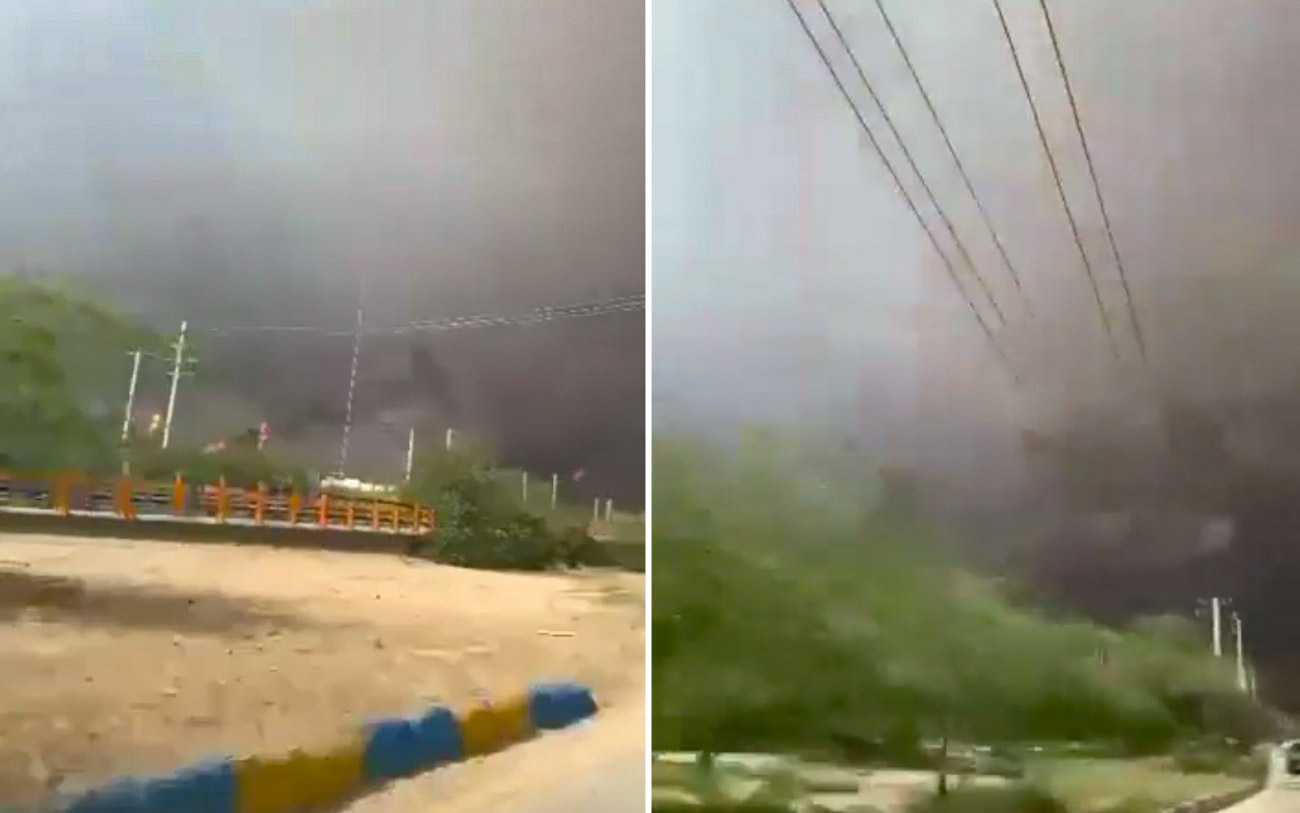
Footage shows the aftermath of an IDF strike on the South Pars gas field on the northern coast of the Persian Gulf, in Asaluyeh, Iran, on March 18, 2026. (Social media, used in accordance with Clause 27a of the Copyright Law)
Between February 28 and April 8, when a tenuous ceasefire took effect, Tehran fired some 550 ballistic and cruise missiles and more than 2,200 drones at the UAE, Emirati figures show, making it the most-targeted country in the region, including Israel. The UAE has been targeted several times amid the truce, including a recent attack on a nuclear plant.
While adding to tensions among Gulf countries — particularly Saudi Arabia and the UAE — the conflict with Iran has led to a deepening of ties between the United Arab Emirates and Israel, which sent an Iron Dome battery and soldiers to operate it, with a source telling the Journal that dozens of troops remain stationed in the country. A number of top Israeli officials also reportedly visited the UAE during the war, with Prime Minister Benjamin Netanyahu saying he was among them, though Abu Dhabi denied he was there.
Israel and the UAE established diplomatic, economic and security ties in 2020 under the Abraham Accords, a deal motivated in part by the shared threat of Iran.
Agencies contributed to this report.

