
Prime Minister Benjamin Netanyahu on Sunday celebrated the IDF’s capture of Lebanon’s historic Beaufort Castle and the surrounding strategic ridge, calling it “a dramatic shift” in Israeli policy as forces pushed deeper into southern Lebanon amid an expanding ground offensive against Hezbollah.
“The capture of Beaufort is a dramatic stage and a dramatic shift in the policy we are leading,” Netanyahu said in a video message released by his office, adding: “Now my directive is to deepen and expand our hold on areas that had been under Hezbollah’s control.”
The statement came as Hezbollah pounded northern Israel with relentless rocket and drone fire. Sunday’s barrages triggered sirens in Acre and the Haifa area, the first attack on the major northern urban area in nearly a month, and caused schools to close near the Lebanon border. Several people were injured on Sunday afternoon when an explosive drone impacted in the community of Beit Hillel.
As the IDF pushed deeper into Lebanese territory, an Israeli soldier was killed Saturday night during clashes with Hezbollah in Zawtar al-Sharqiyah, just west of the Beaufort Ridge. Staff Sgt. Michael Tyukin, 21, who was killed by an explosive drone, was the 13th soldier killed since an ostensible ceasefire between Israel and Lebanon was reached on April 16.
Hours after the deadly attack, Israeli troops took over territory in the Beaufort Ridge and Wadi Saluki stream area, and expanded strikes north of the Litani River overnight. Footage from Sunday morning showed Israeli and IDF flags flying over the Crusader-built fortress.
In his Sunday statement, Netanyahu recalled that the landmark fortress “became a symbol of deep division within our society” after Israeli troops captured the castle in one of the early battles of the First Lebanon War in 1982. Israel held the position throughout its 18-year occupation of southern Lebanon, withdrawing in 2000 after years of grinding conflict that cost hundreds of Israeli lives.
IDF troops of the Golani Brigade are seen operating at the Beaufort Castle in southern Lebanon, in a video published on May 31, 2026. (Israel Defense Forces)
“Today, we have returned to Beaufort differently. We have returned united, determined, and stronger than ever,” Netanyahu said.
“We have broken through the barrier of fear,” he continued. “We are taking the initiative. We are operating on all fronts — in Syria, Gaza, and Lebanon. We have established security zones beyond our borders in order to protect our communities.”
IDF troops of the Golani Brigade are seen operating at the Beaufort Castle in southern Lebanon, in a video published on May 31, 2026. (Israel Defense Forces)
Netanyahu said that Israel has eliminated 8,000 Hezbollah terrorists since the Iran-backed group began attacking Israel following the Hamas-led invasion and massacre in October 2023 that sparked the war in Gaza.
Three thousand of those operatives were killed since the start of Israel’s war against Iran last June, and 700 were killed since last month, Netanyahu said.
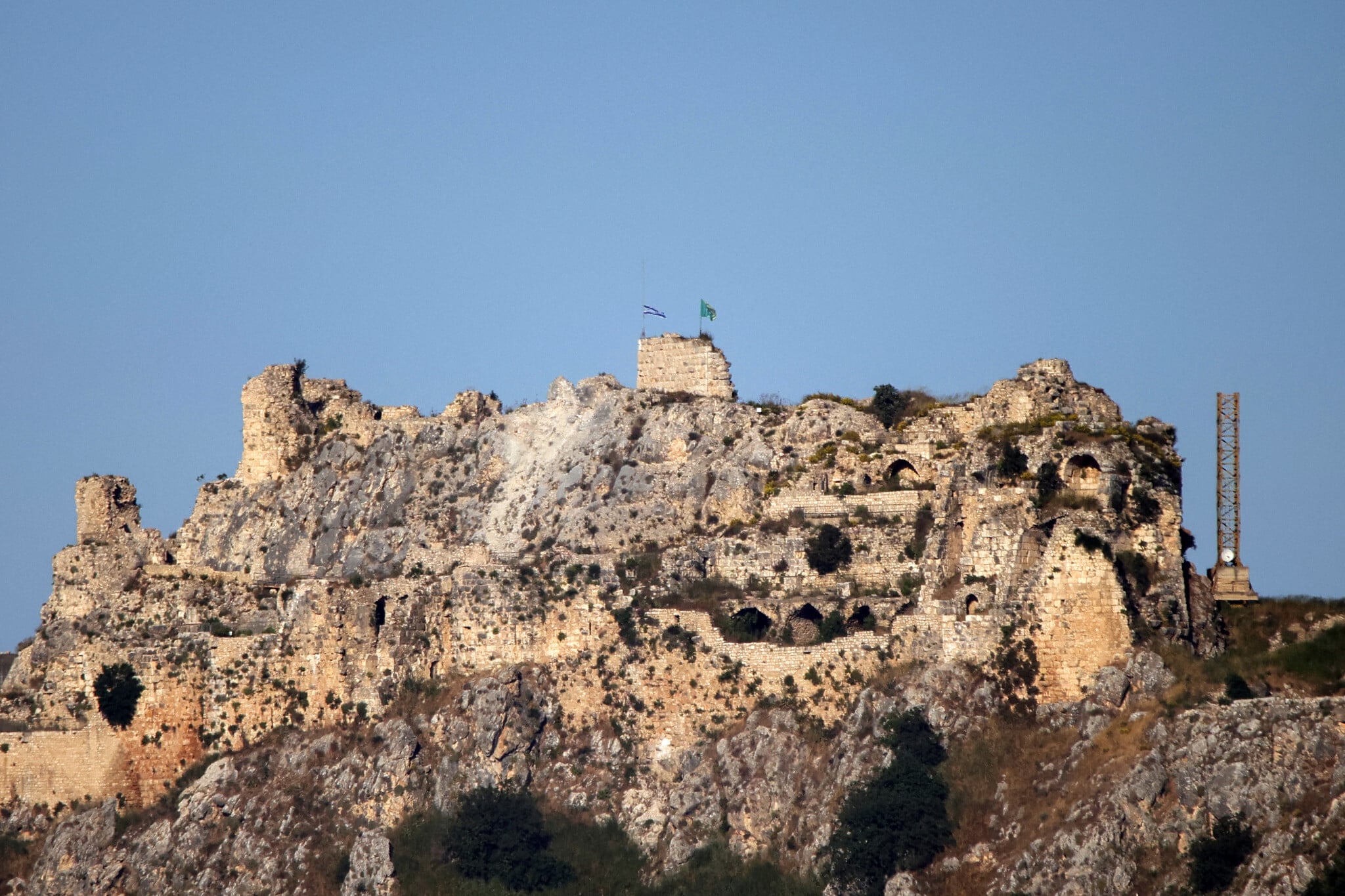
The Israeli and Golani Brigade flags are seen over the Beaufort Castle in southern Lebanon, as seen from the Marjayoun area of southern Lebanon on May 31, 2026 (AFP)
“It will take time, but we will complete the mission,” he concluded.
Beaufort Castle is some five kilometers from the border, and its recapture is not the IDF’s deepest advance into Lebanon, with troops operating up to 10 kilometers from the border since 2024.
Defense Minister Israel Katz also hailed the capture of the castle, and vowed troops would stay at the site “as part of the security zone in Lebanon.”
Katz said earlier Sunday that “the capture of the Beaufort and the expansion of the [ground] maneuver constitute a clear message to our enemies: Whoever threatens the citizens of Israel will lose their strategic assets one after another.”
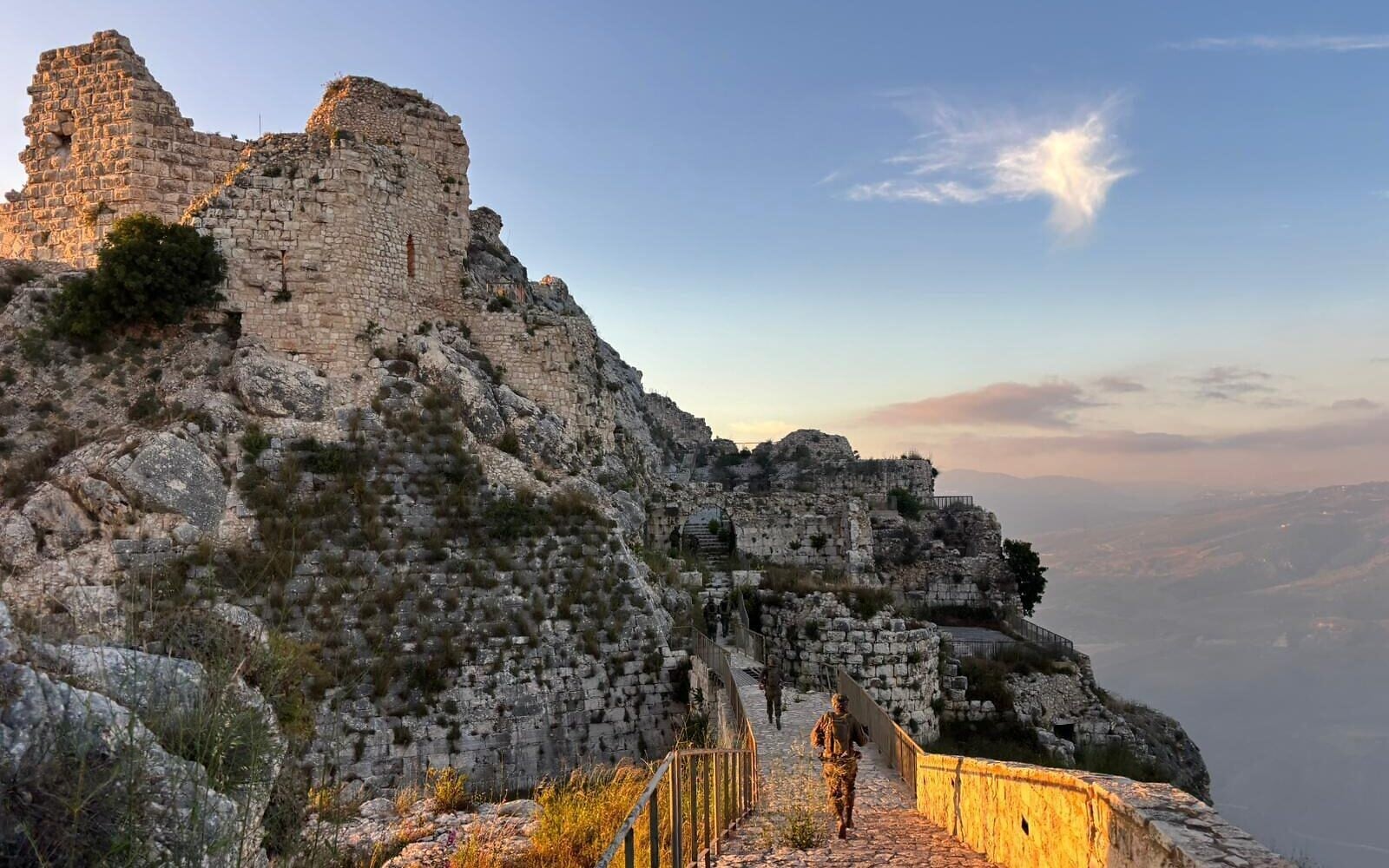
Troops of the Golaini Brigade’s Reconnaissance Unit operate at the Beaufort Castle in southern Lebanon, in a handout photo published on May 31, 2026. (Israel Defense Forces)
The Beaufort Castle, also known as Qalaat al-Shakif, commands sweeping views of the Galilee Panhandle in northern Israel, as well as the Nabatieh area in southern Lebanon, making it a position of considerable strategic value.
France requests UNSC meeting after castle’s capture
Following the capture of the Beaufort Castle overnight, France requested an emergency meeting of the United Nations Security Council to discuss the recent escalations in Lebanon.
“I have requested an emergency meeting of the United Nations Security Council because, while we recognize Israel’s right, like that of all countries, to self-defense… nothing can justify the continuation of Israeli military operations in Lebanon and its ever-deeper occupation of Lebanese territory,” Jean-Noel Barrot said on the BFMTV channel.
France has longstanding ties to Lebanon, dating back to the French mandate following World War I.
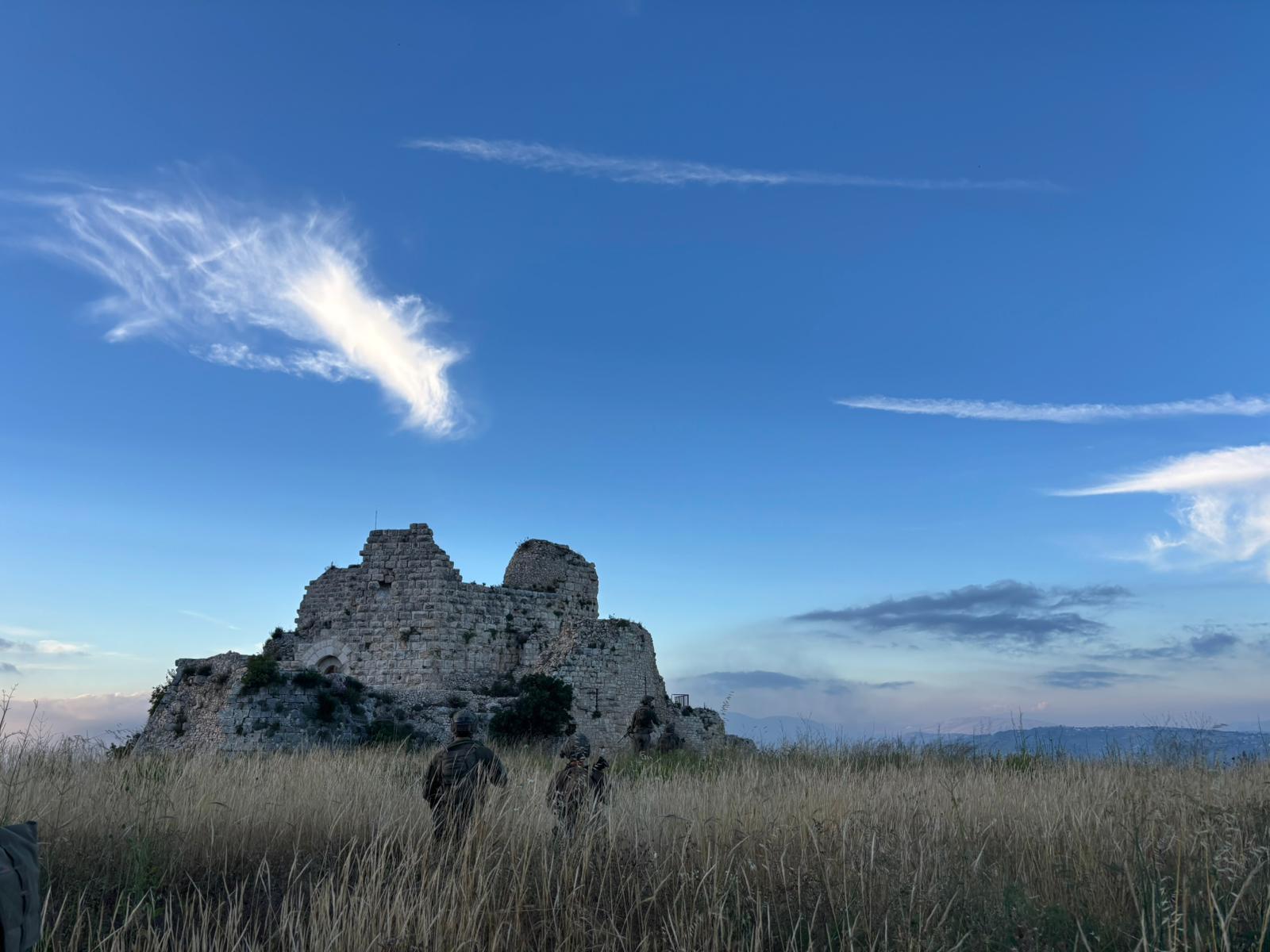
Troops of the Golani Brigade’s Reconnaissance Unit operate at the Beaufort Castle in southern Lebanon, in a handout photo published on May 31, 2026. (Israel Defense Forces)
In reaction to the French request, Israel’s envoy to the UN Danny Danon said in a statement that “the real discussion in the Security Council should be about the ongoing failure to implement UN Security Council Resolution 1701,” which ended the last Israel-Hezbollah war in 2006 and required that the Iran-backed terror group retreat north of the Litani River.
Israeli officials have repeatedly accused Lebanon and UNIFIL forces of failing to uphold the agreement.
“For years, Hezbollah has flagrantly violated UN resolutions, armed itself under Iran’s patronage, and posed a direct threat to Israeli civilians and to regional stability… Israel will continue to act against any threat to its citizens,” Danon said.

