As countries gear up for another round of climate talks, they must address the gap between climate commitments and the operational systems needed for local change, writes Jean-François Laurent, UNOPS acting director in Geneva.
As the world looks ahead to Cop31 in Türkiye later this year, we see the climate conversation still dominated by targets, pledges and negotiations. Yet for communities already facing floods, droughts, wildfires and energy insecurity, the problem is certainly not a lack of climate ambition – it is the widening gap between commitments made in conference halls and meaningful change felt on the ground. What stands in that gap is the need for practical, operational systems capable of delivering promises quickly, fairly and at scale.
This urgency is amplified by the interconnected triple planetary crisis – of climate change, biodiversity loss, and pollution – which the UN Office for Project Services (UNOPS) is addressing through established missions focused on practical, local delivery.
The World Environment Day on 5 June arrives at a moment when this disconnect is becoming increasingly difficult to ignore. The theme chosen this year by the UN – Inspired by Nature. For Climate. For Our Future – makes clear that when climate action works with nature instead of against it, we not only protect ecosystems but also strengthen livelihoods, food security, resilience and healthier futures for the communities that depend on them.
The high price of delayed action
The economic and social aftermath of climate action that fails to integrate nature, climate and the future is plain to see. In South Asia, temperatures have surged past 46°C during deadly heatwaves that have strained already fragile energy systems. Across East Africa, severe flooding and landslides have displaced thousands of people and destroyed homes, roads and livelihoods. Meanwhile, wildfires across parts of the Southern Hemisphere continue to erase ecosystems that took centuries to develop.
The financial costs are escalating just as rapidly. In the European Union alone, climate-related losses have risen to approximately €45 billion annually – nearly five times higher than in the 1980s. The environment is sending its invoices, and the cost of delayed action is increasingly being paid in lives, livelihoods and economic stability.
Many climate initiatives falter because delivery systems themselves remain fragmented. Financing mechanisms are slow and difficult to access. Administrative processes are cumbersome. Technical support is unevenly distributed. Procurement systems are weak. Coordination across institutions frequently breaks down before support reaches the communities that need it most.
The result is a dangerous paradox: the climate crisis is accelerating faster than many of the systems designed to respond to it. If Cop31 is to yield impact as the so-called implementation Cop, dialogues must major on how countries can build systems capable of delivering existing climate-related commitments. Governments, development partners and climate finance institutions should focus on strengthening access to climate finance, technical assistance and implementation capacity, while ensuring existing Cop mechanisms are better aligned to deliver tangible outcomes for communities.
Implementation works – we see it every day
Encouragingly, we see examples of effective implementation through our day-to-day work aligning financing, technical expertise and localised delivery across the UNOPS’s water, environment and climate portfolio and the climate-focused entities it hosts.
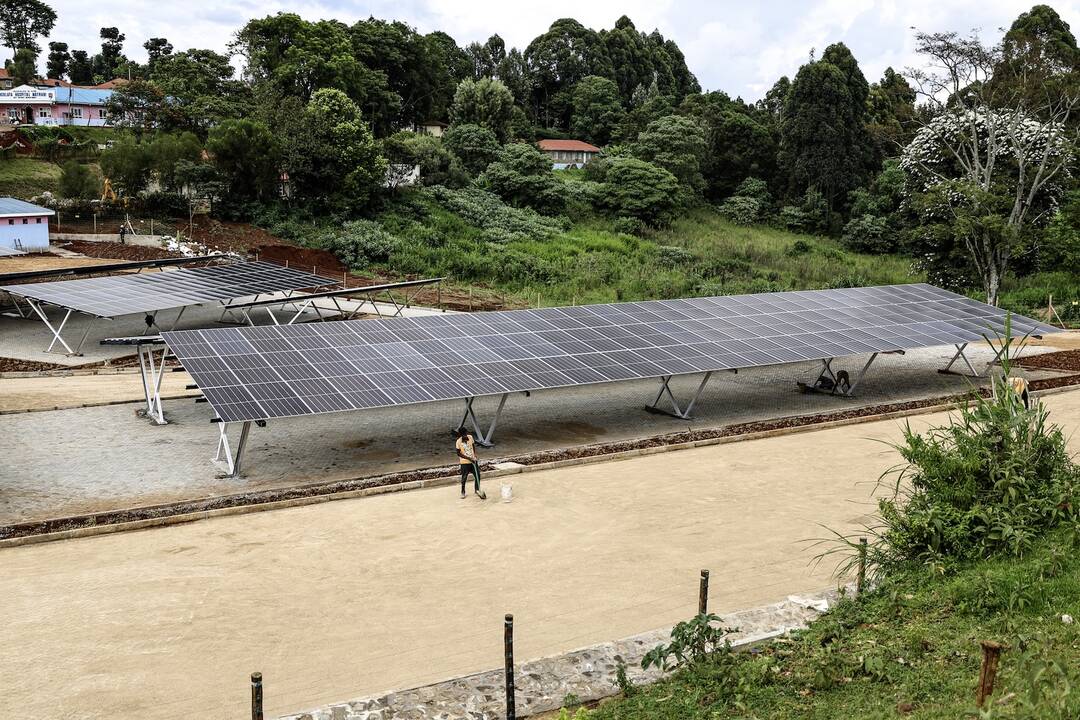
In Sierra Leone, Sustainable Energy for All is supporting the deployment of green mini-grids expected to reach approximately 25,000 households and 2,800 businesses across 60 communities. Beyond electricity access, these investments help schools function more effectively, health centres provide more reliable services, and local businesses operate beyond daylight hours.
The NDC Partnership has supported efforts in Zambia to mobilise more than $7 billion in climate finance through legislative reforms and climate finance tracking frameworks. Meanwhile, the Initiative for Climate Action Transparency is helping strengthen climate reporting systems and accountability mechanisms, including through new monitoring frameworks for nature-based solutions in Kenya’s Chyulu Hills.
The Santiago Network, hosted in Geneva, launched a simplified, community-driven technical assistance mechanism of up to $50,000 per request, helping frontline communities access expertise more quickly for loss and damage assessments, early warning systems and resilience-building initiatives.
As Cop31 approaches, the global climate conversation must evolve beyond the politics of pledges toward the harder work of delivery. Communities facing rising seas, displacement, food insecurity and collapsing ecosystems do not need another decade of well-crafted declarations unsupported by operational capacity. They need localised, functioning systems capable of turning financing into infrastructure, policy into protection and urgency into action.
Ultimately, turning climate pledges into local delivery is the practical way to honour the spirit of World Environment Day 2026, ensuring action is truly “Inspired by Nature. For Climate. For Our Future”. Evidently, many of the tools and solutions needed to accelerate climate action already exist. The priority now should be strengthening and scaling the financing, technical assistance and implementation partnerships that are already delivering results, so that more communities can benefit from climate action at the speed and scale the moment demands. By focusing on effective implementation, we can secure both nature and a more resilient future for all.
Jean-François Laurent is an engineer with over 20 years of dedicated service at the UN Office for Project Services. He currently serves as the acting director for its Geneva office, where he oversees programme delivery, partnerships and strategic initiatives supporting global health, climate action, environmental resilience and sustainable development efforts.
Geneva Solutions publishes opinions and columns proposed by or requested from external contributors and experts. These texts reflect the point of view of their authors and do not represent the position of the media.