Recently, I had an opportunity to travel west and visit with several climate groups. In Spokane, Washington, I met with the Gonzaga University Institute for Climate, Water, and the Environment, and in Missoula, Montana, with Climate Smart Missoula. I wanted to learn about the environmental and climate challenges facing each city in that region of the country and see how their citizens and community leaders were coming together to address climate change.
The staff with both organizations talked about warmer temperatures, droughts, problems with water supplies, extensive wildfires, and poorer air quality. They also talked about the growing urgency to educate the community, promote climate literacy, and do more to address what were considered the most significant climate impacts of the foreseeable future.
Over the past 10 years, Climate Smart Missoula has helped implement a county-wide resiliency plan, organize an urban-forest program, and promote what it calls “climate-smart, healthy, all-electric homes and buildings.” Also, it has hosted ClimateFest and Solutions Week, initiated a Climate Ambassadors program, advocated for climate-smart updates to city development codes, and collaborated with the University of Montana to offer a climate-studies program. Its literature states that, “Climate Smart Missoula builds and accelerates equitable climate solutions for Missoula and beyond. We do this through collaborative programs, advocacy, and catalyzing climate leadership.”
At Gonzaga University, the staff members with the institute have organized climate-literacy programs for young people, worked with the city government to establish a climate-resiliency board, and hosted the Smoke Ready Spokane Symposium. All their efforts are directed toward leveraging local efforts to build community resilience and identifying strategies that are solution-oriented.
On my trip back home to Duluth, I was thinking about my meetings in Spokane and Missoula, and I began wondering what it takes for a city to be climate-smart. It was quite evident that engaging citizens and the greater community was a top priority in both Spokane and Missoula. Is Duluth as climate-smart as them? Is Duluth taking climate change seriously and thereby designing a city to address the climate reality we’re facing for the next 30 to 50 years?
In their book, “How to Live a Meaningful Life,” Bill Burnett and Dave Evans talk about how individuals and organizations can more effectively plan for the future.
“Accepting the reality of your world, and accepting the constraints that reality imposes, is always the first step to designing your better future,” Burnett and Evans wrote. “Designers take a view of the world that is brutally realistic because a good design can only start in the actual real circumstances, even if those circumstances aren’t good or fair. … You’ll be more effective redesigning the situation if you understand and accept the reality of the circumstances on the ground and up front.”
At first glance, it doesn’t appear Duluth is being smart about climate change. The mayor still hasn’t hired a new sustainability officer. The proposed downtown development plan doesn’t mention or reference climate change. And there has still been no public response to address the climate-vulnerability assessment presented to the city government in the spring of 2018.
In his book, “Dangerous Years: Climate Change, the Long Emergency and the Way Forward,” David W. Orr wrote: “When shown graphs of ocean acidification, species extinction, or the annual accumulation of (carbon dioxide) in the atmosphere, most Americans have shown little interest and until recently not the slightest twitch or fear or apprehension. Signs of alertness — heart rate, breathing, adrenal flows, oxytocin levels, and the like — remain constant or even decline. Marinated in a culture that doesn’t much value smartness, we are bored, even offended, by such facts.”
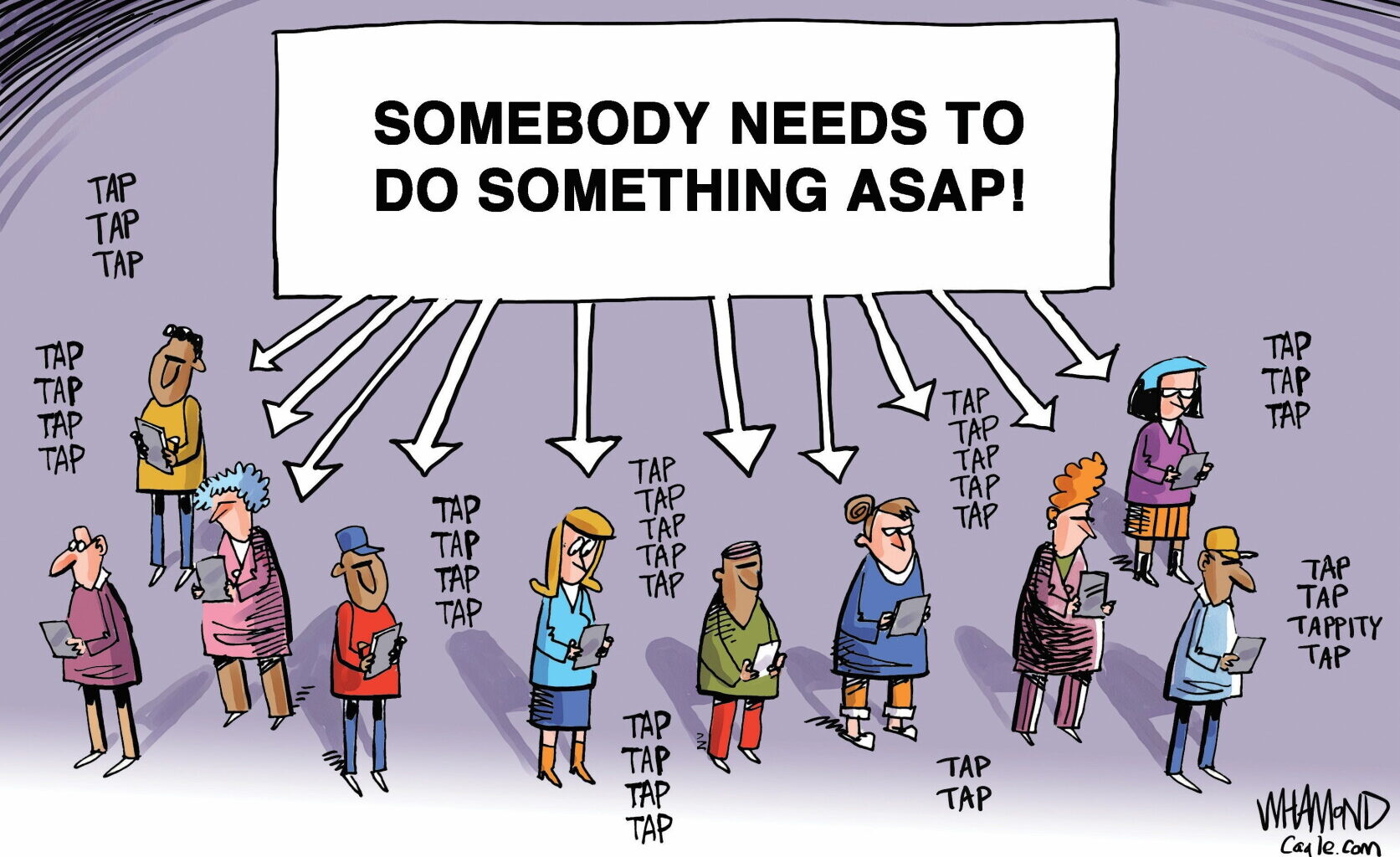
What is the climate culture in Duluth? Are we and our city’s leaders bored and offended by the reality of climate change? Are we denying the reality of climate change or trying to convince ourselves that our city has nothing to worry about? Are we simply in a perpetual state of procrastination?
Or are we willing to acknowledge and address the facts about climate change, especially those climate events and impacts we’re already experiencing here? Are we bringing together the best and brightest to help our city move forward? Will we commit ourselves to building a more climate-resilient and sustainable city?
Tone Lanzillo is a member of the Duluth/365 initiative on climate change and a regular contributor to the News Tribune Opinion page. He can be reached at risson1954@gmail.com.
Tone Lanzillo