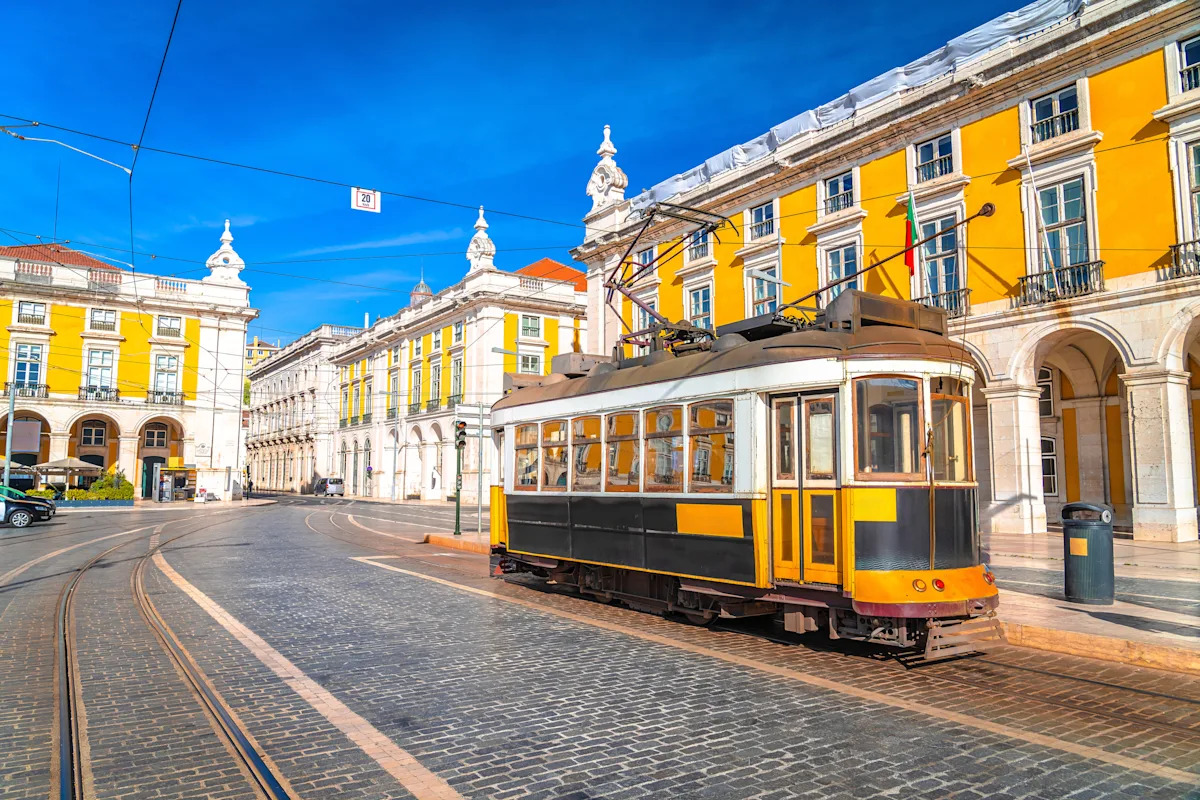
Lisbon, the capital city of sun-drenched Portugal located on the Iberian Peninsula, is famously known as a gorgeous and desirable destination. Filled with historic sites and monuments like São Jorge Castle, the Belém Tower and the Rua Augusta Arch, it also boasts old neighborhoods with pastel-painted buildings and incredible hilltop views.
Lisbon’s charm and beauty has made it one of the most popular tourist spots in the world, which can make it a bit frustrating for visitors that don’t want to fight crowds or overbooked restaurants and activities during their stay. Here are some of the tips I wish I’d known on our most recent trip:
DON’T VISIT IN THE SUMMER IF POSSIBLE
June, July and August are peak tourist time, with scads of students on vacation and families traveling. Unfortunately, this makes the city extremely crowded and you may find yourselves at times surrounded by Americans, wondering why you flew thousands of miles away just to listen to a man from Iowa talk about his truck. Instead of visiting peak season, push your trip to the Shoulder Seasons (late May or mid-September) or any other months where it’s cooler and sleepier.
DON’T VISIT IN THE SUMMER, PART 2
Lisbon is hottest in June, July and August. While the average temps don’t typically reach the triple digits, heatwaves are becoming more common. We unfortunately experienced one during our stay in early June. The heat and the humidity can make walking around the city very unpleasant.
IN HIGH SEASON, BOOK ACTIVITIES EARLY BUT BEWARE
We booked various tours using the Viator app, and had good luck. However, the Sintra tour I booked three months in advance was canceled the night before without any warning or notice. The tours to the castles I wanted to see were sold out on the day of our visit, so I wasn’t able to see them after all. This may be a rarity, but consider either buying tickets directly with the attraction, or book a tour and also buy direct tickets as back up if it’s something you really don’t want to miss.
UBER CAN BE FASTER AND CHEAPER THAN TRAMS AND METRO
Lisbon’s bright yellow street cars are a fun way to see the city and to give yourself a break from walking up the many hills. Tram 28 is a vintage 1930s tram that crosses the city’s historic streets and makes for a great photo. (And a good deal at about €3 per person.) There’s also the Lisbon Metro that can take you from spot to spot for about the same price. However, both of these options are often crowded and somewhat slow with multiple stops. We found Uber to be a great option, with many 5+ mile rides costing under $10.
CONSIDER YOUR HOTEL BREAKFAST
Many of the nicer hotels in Lisbon offer a breakfast buffet. Rather than being a generic offering, however, most of them boast local delicacies like Iberian ham, pastel de natas, rustic bread with tomatoes, and the local coffee drink of Galão, a tall glass filled with mostly milk and a shot of espresso (similar to a latte). Start your day with a full belly in the restaurant that’s just steps from your room.
MUST EAT AND DRINK: A BIFANA AND SUPER BOCK
Found throught the city, a Bifana is a Portugese sandwich featuring thinly sliced pork that’s been marinated in garlic, white wine, and spices. It’s then pan fried and served on a crusty roll. Wash it down with Portugal’s best-selling beer, Super Bock. The typical price for both the sandwich and a glass of this pale lager? Under $10.
TAKE A DAY TRIP
There are many wonderful destinations outside of Lisbon that make for an easy day trip, like Sintra for castles and palaces, Cascais for a beach, Obidos for medevial history, and Evora where you’ll find Roman and Gothic ruins. Most are easily reachable via a train (like from the downtown Rossio station) or guided tour.
REMEMBER, PORTUGUESE IS NOT SPANISH
Kind of obvious, but it’s easy to think that the country that borders Spain also speaks Spanish. However, Portuguese is the national language. “Hello” is “Ola!” which is close to Spanish, but most other words aren’t as similar. Try to learn a few basic phrases like “Obrigato” (“thank you” if you’re male) and “Obrigata” (“thank you” if you’re female) and “com licenca” for “excuse me” to be polite and accomodating to the locals.
Lisbon is a breathtaking, vibrant city. Enjoy!