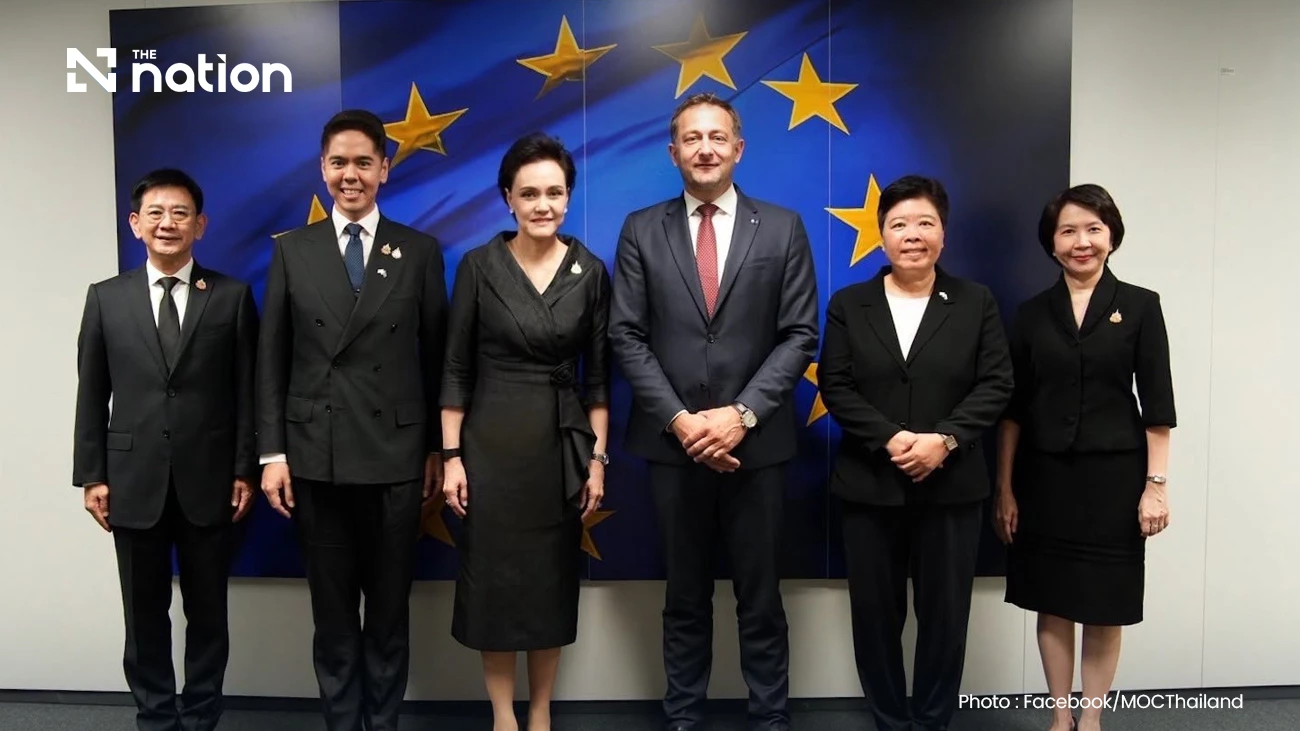

Negotiators exchanged views on key chapters including goods, services and investment, government procurement, SPS measures and intellectual property. While recognising differing levels of readiness and sensitivities, both parties agreed to pursue a balanced approach that protects public interest while maximising economic benefit.
So far, four of seven key negotiating areas have been concluded, including provisions on trade in goods (textual elements), technical barriers to trade, sustainable development and sustainable food systems. Remaining issues include rules of origin, SPS measures, intellectual property and market access.

The EU remains Thailand’s fourth-largest trading partner, with total bilateral trade reaching over US$45bn in 2025. Agricultural and agri-food trade alone is valued at around US$2.01bn, with Thailand maintaining a trade surplus in the sector.
Both sides confirmed their intention to maintain close coordination between negotiating teams ahead of the next round of talks, with a shared goal of advancing the agreement towards finalisation in the coming stages.