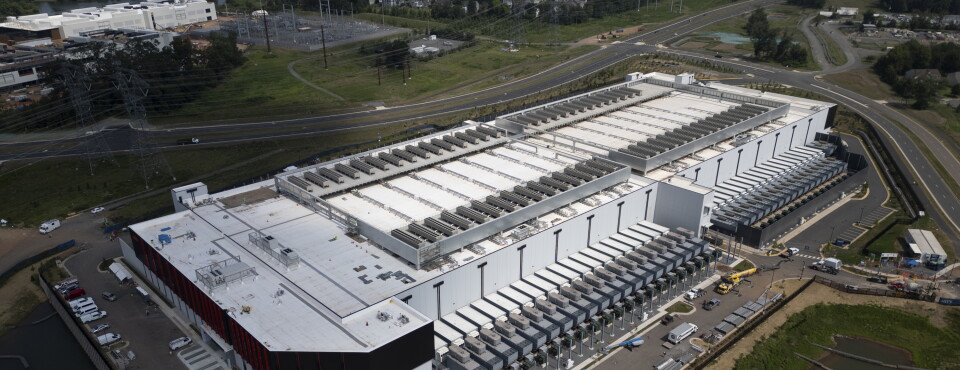
With global demand for data centers surging at an unprecedented pace, investors are evaluating risks posed by infrastructure, power supplies, land use, real estate, and regulation.
But they shouldn’t overlook environmental, health, and safety (EH&S) risks, which can trigger litigation, cause reputational harm, lead to regulatory roadblocks and otherwise significantly undermine an investment.
Wide-Ranging Risks
Data centers’ EH&S risks differ from the risks that private equity firms and other investors typically encounter in deals involving manufacturing or other industrial operations, which center on soil and groundwater contamination and noncompliance. Data centers present a variety of other issues, including:
Water Consumption. Most large data centers rely on cooling-tower systems that continuously draw and evaporate water to prevent servers from overheating. These systems can consume millions of gallons of water per day, straining supplies in water-stressed regions and prompting significant community opposition.
For example, San Marcos, Tex., residents mobilized against at least five proposed data centers, one of which sought to use 500,000 gallons of water per day. Local officials delayed the request after numerous residents contested the project. Similarly, in Tucson, Ariz., a proposed data center seeking to use 143 million gallons of water per year was effectively blocked after significant public outcry.
Municipalities and other authorities have also sought to impose water usage limits on existing data centers. For example, Minnesota’s legislature recently imposed new water-appropriation permit requirements on data centers that are expected to use more than 100 million gallons annually. Investors should therefore critically evaluate water-related risks for data center projects, as community opposition and regulatory constraints can affect siting feasibility, impair a company’s reputation, and undermine investment value.
Noise. Material noise issues often don’t arise in manufacturing deals, but they can pose unique risks for data centers. Hundreds of servers operating in a confined space can generate high noise levels, compounded by HVAC cooling systems and backup generators.
The problem intensifies when data centers are located near residential communities. Rising concerns over noise from existing and proposed data centers have led residents across the US to file suits to stop data center operations. In June, residents of Southaven, Miss. filed a class action suit against xAI and SpaceX, alleging that gas-fired generators powering AI data centers produce “omnipresent and inescapable” noise.
In Lowell, Mass., neighbors filed a proposed class action against the owner of a data center alleging that a persistent hum from the company’s recently expanded facility prevented them from sleeping at night. In Dowagiac, Mich., residents filed a class action against the owner of a data center, alleging that its facility produces constant noise at all hours, rendering neighbors’ outdoor spaces unusable. Investors may reconsider their involvement if they believe data centers will face pressure to curtail operations to abate noise issues.
Air Emissions. Diesel generators and other data center sources can produce nitrogen oxides, fine particulate matter, carbon monoxide, and other hazardous materials. There is growing evidence that these air emissions pose real health risks. A November 2025 Harvard Business Review article highlighted potential respiratory-related health effects from emissions of fine particulate matter and other hazardous materials.
Governmental authorities are scrutinizing the health effects of data center diesel generators. Earlier this month, a Lackawanna County, Pa. commissioner called for a countywide independent health-impact assessment of proposed data center projects.
These assessments could prompt stricter air emissions limits, require upgrades to cleaner alternatives, or result in permit denials, any of which could significantly increase capital costs, delay project timelines, or constrain operations. These findings suggest there may be additional health-related claims from communities affected by data center air emissions.
Power Availability/GHG Emissions: Securing adequate and reliable power for data centers transcends environmental considerations. The growing appetite for artificial intelligence and digital services requires substantial energy—both to run equipment and to power cooling systems that maintain optimal operating conditions.
Data centers have been blamed for rolling brownouts, prompting moratoriums on new data centers. As of June 2026, at least 12 states and 100 local governments have introduced or passed moratorium measures to assess data centers’ impacts on energy consumption, water usage, and local communities.
Lake County, Ill., approved a temporary moratorium on data centers in unincorporated areas, citing the need to evaluate energy use and infrastructure demand. In Flint, Mich., city representatives proposed a 12-month moratorium on data centers, joining other communities that have enacted similar pauses to review zoning and environmental concerns. Given the potential strain on grid infrastructure, some data centers could face usage caps or other restrictions.
As most electricity consumed by US data centers comes from fossil fuels, incremental power demand is likely to be met through carbon-intensive sources. The resulting greenhouse gas emissions may concern investors who fear conflict with current or future greenhouse gas regulations or with their own climate commitments.
Data Center Diligence
For the reasons stated above, EH&S due diligence reports are more holistic than other types of environmental site assessments. EH&S advisers will need to coordinate their review with other deal advisers to ensure investors can properly evaluate the effect of identified issues on potential litigation, reputational concerns, permitting delays, and regulatory roadblocks.
New data center projects require a far more comprehensive analysis of EH&S issues than existing data center projects because relatively minor issues can upend project timing and feasibility. New projects require developers to navigate local, state, and federal requirements and to consider environmental impacts beyond water, noise, air and GHG emissions, including those arising under the National Environmental Policy Act and Endangered Species Act.
EH&S advisers should engage early to identify applicable regulatory requirements, anticipate permitting timelines, and coordinate with other deal advisers to evaluate the impact of identified issues on project feasibility.
Though typically not as significant as power supply, land use, and other risks, EH&S issues could jeopardize an investment and give rise to reputational and litigation exposure. Private equity firms and other investors that evaluate EH&S issues early in the deal process can avoid pitfalls that have tripped up some other investors.
This article does not necessarily reflect the opinion of Bloomberg Industry Group Inc., the publisher of Bloomberg Law, Bloomberg Tax, and Bloomberg Government, or its owners.
Author Information
Stuart Hammer is the head of Debevoise & Plimpton’s environmental practice group and a member of its corporate department.
Debevoise law clerk Jason Bach contributed to this article.
Interested in writing? Review our author guidelines, and submit pitches to Insights@bloombergindustry.com.