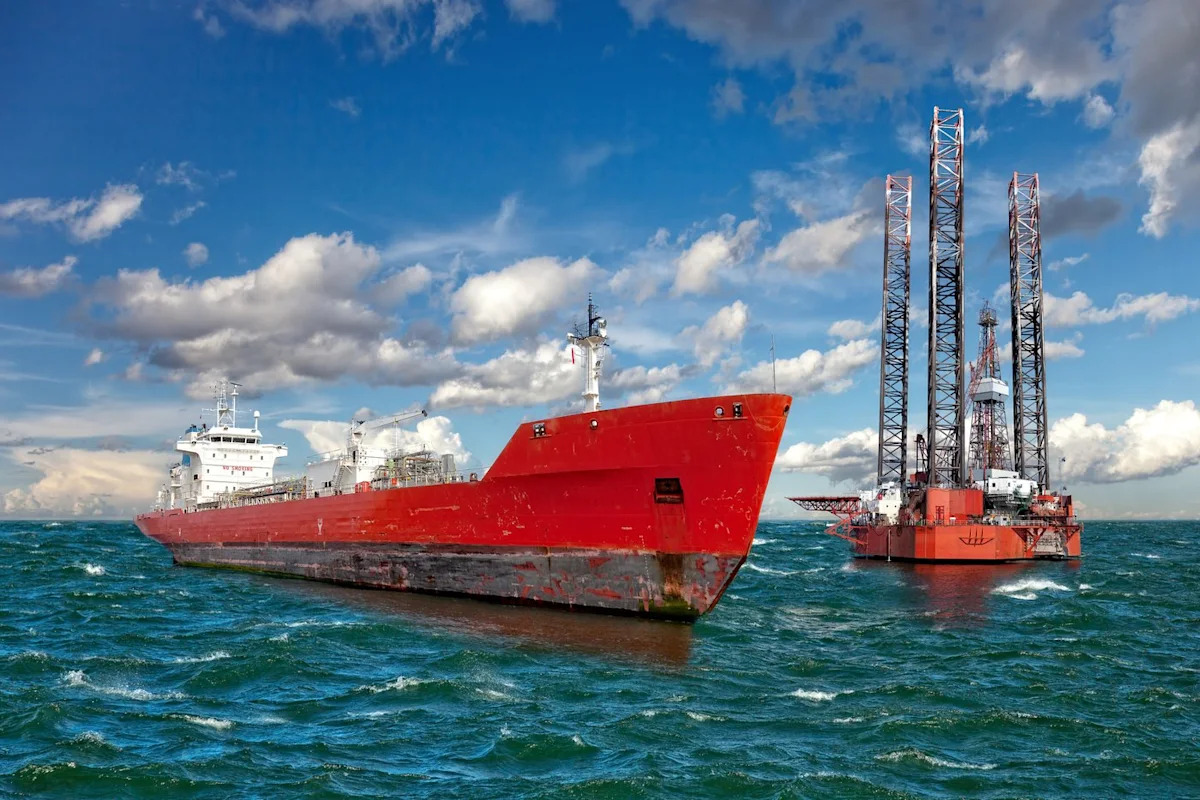
Even with crude oil dipping to around $70 a barrel, ConocoPhillips (NYSE: COP) and BP (NYSE: BP) offer compelling setups for investors focused on structural efficiency, resilient cash flow, and shareholder returns. Their shares are down more than 14% and 11% over the past month, respectively, providing a good buying opportunity for investors with a long-term view.
Here are five reasons why these two energy giants remain resilient and highly attractive buys in a sub-$70 pricing environment.
Missed Nvidia in 2009? This Rare Signal Is Flashing Again. In 2009, a “Double Down” signal flashed for a little-known chipmaker called Nvidia. For the first time in years, that same “Total Conviction” signal is flashing for a company 1/100th the size of Nvidia. Continue »

Image source: Getty Images. 1. Ultra-low breakeven costs keep them profitable
Neither oil company needs triple-digit oil to keep the lights on or to make serious money. Following its 2024 acquisition of Marathon Oil, ConocoPhillips has aggressively reduced its structural supply costs. The company explores for, produces, transports, and markets crude oil, bitumen, natural gas, natural gas liquids (NGLs), and liquefied natural gas (LNG) across 14 countries.
A substantial portion of its premier acreage, particularly in the Permian, Eagle Ford, and Bakken basins, has kept its cost of supply below $40 per barrel for decades. Because most of its production is in the Lower 48 states, the company isn’t as affected by the unrest in the Middle East.
BP, driven by aggressive corporate restructuring and a target of $6.5 billion to $7.5 billion in structural cost reductions through 2027, has engineered its portfolio to comfortably sustain operations and cover its base dividend.
The company maintained strong production in the first quarter, and refining throughput was more than 1.5 million barrels per day, its highest quarterly figure in four years. Replacement cost profit per share was $20.67, up 136% year over year.
2. Aggressive corporate cost-cutting and synergies
Both management teams adapt easily to lower prices by tightening their capital belts, prioritizing structural efficiency over unbridled production growth. ConocoPhillips is actively executing a $1 billion capital and operating cost-reduction program for 2026. This builds directly on the post-merger integration synergies from Marathon.
BP is tightly capping its annual capital expenditure between $13 billion and $13.5 billion, prioritizing high-margin upstream developments and major discoveries, such as its massive Bumerangue find off the coast of Brazil, over low-margin barrels.
Story Continues