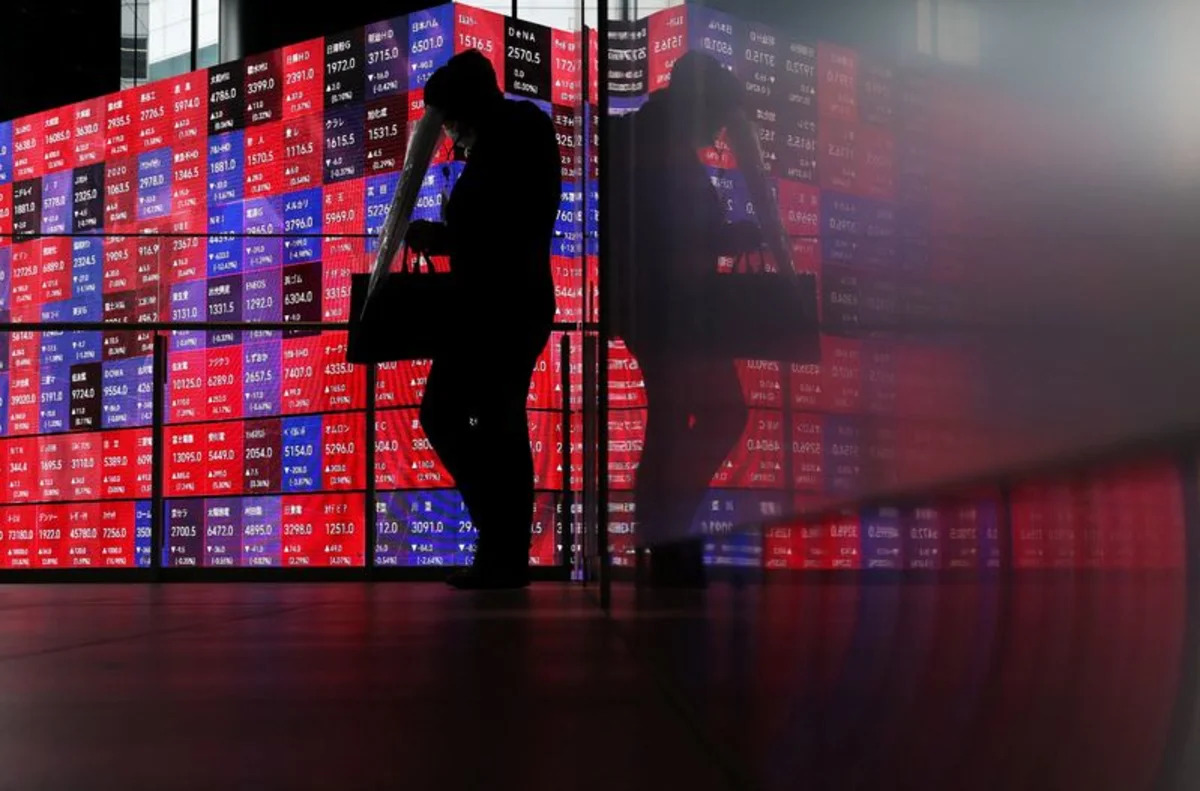
SINGAPORE, July 8 (Reuters) – Oil prices jumped and bond futures slid on Wednesday after the U.S. struck Iran and reinstated trade sanctions following attacks on tankers in the Strait of Hormuz, while stocks wobbled as momentum ebbs from the record-breaking AI rally.
U.S. crude futures were up 2.7% to $72.40 a barrel and 10-year Treasury futures slid seven ticks as traders priced in the risk that inflation and interest rates rise.
“Obviously the market doesn’t like these attacks…but it’s not full-blown panic mode,” said Jason Wong, senior strategist at BNZ in Wellington. The past few months showed the oil market’s resilience to a huge supply shock, he said, though the vulnerability now is low global reserves.
Data this week showed stocks of crude in the U.S. Strategic Petroleum Reserve hit their lowest level since 1983.
Nikkei futures pointed to a fall in Japanese stocks and S&P 500 futures were down around 0.1%.
Wall Street indexes dropped overnight after a sharp fall in Samsung Electronics shares, despite blockbuster earnings, showed investors are wary of extending a rally that has lifted South Korea’s chipmaker-heavy market 82% this year.
The U.S. strikes are the latest challenge to last month’s ceasefire and targeted air defences, coastal surveillance and anti-ship and drone launch sites, a U.S. official told Reuters.
Washington also moved to withdraw a concession allowing Iran to sell oil on the global market, which Iran’s foreign ministry said breached the framework agreement to end the war.
In currency markets the dollar, which had come off recent highs, was firm and pushed the euro back to just above $1.14 and the Australian dollar to $0.6925.
Later on Wednesday the Reserve Bank of New Zealand sets interest rates, with markets pricing about an 85% chance of a hike and most economists also forecasting a rise.
(Reporting by Tom Westbrook; Editing by Jamie Freed)