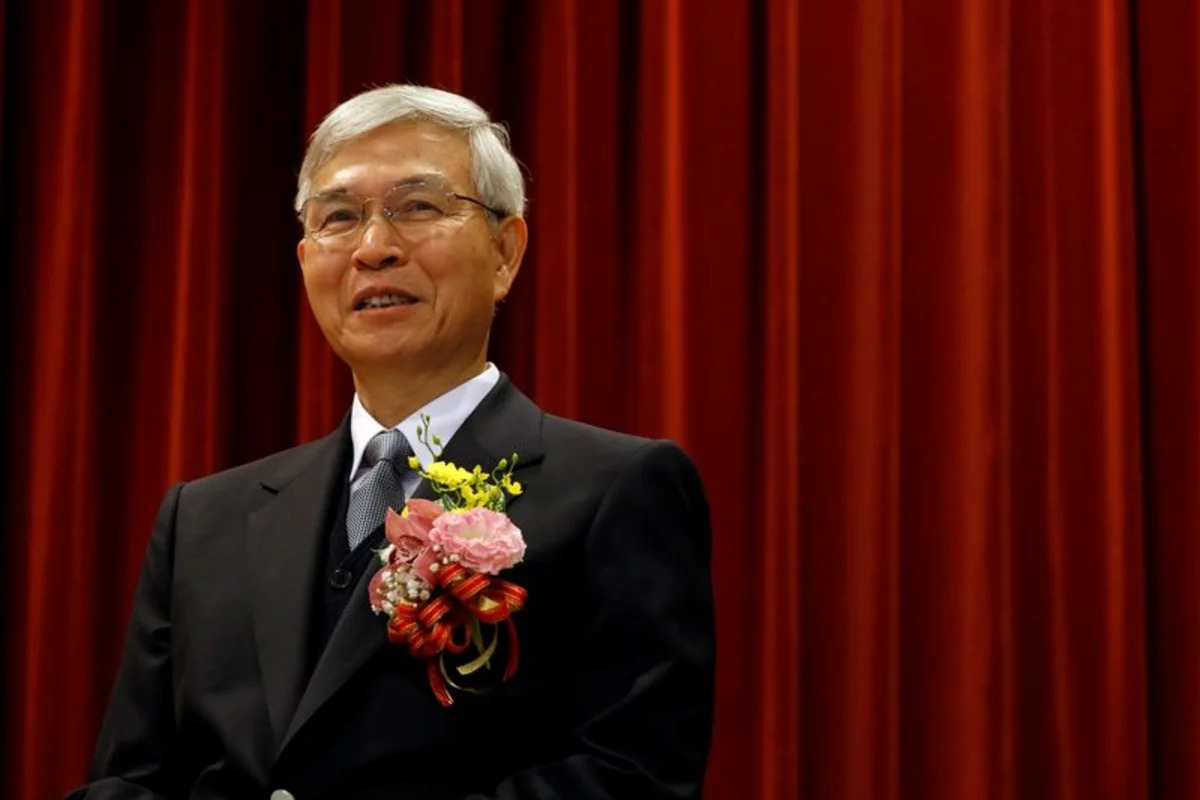
TAIPEI, July 9 (Reuters) – The governor of Taiwan’s central bank said on Thursday that while the growth driving the AI boom is real, so are the risks of an AI bubble. Speaking at a parliamentary hearing, Governor Yang Chin-long told lawmakers that the AI boom has become a major driving force in Taiwan’s economy, while warning that the central bank must carefully monitor the risks of speculative capital expenditures financed by aggressive corporate borrowing within the tech sector. “We do have concerns about the possibility of an AI bubble,” Yang said. “AI is driven by real growth potential, but it’s the possibility of over-expansion via over-leveraging that concerns us.”
At the central bank’s quarterly meeting in June, its board did not consider inflationary pressures amid the AI boom sufficient to justify an increase in interest rates, although the decision to hold rates steady was not unanimous.
The decision was appropriate given the underperformance of traditional industries relative to the booming tech industry, the governor said. Taiwan plays a crucial role in the global AI supply chain for tech giants including Nvidia and Apple, anchored by chipmaker Taiwan Semiconductor Manufacturing Co (TSMC), which has been leading Taiwanese stocks to record highs this year. The importance of Taiwan’s chip industry for the AI supply chain is reflected by Nvidia CEO Jensen Huang’s frequent and high-profile visits to the island, including his recent major trip for June events, such as Computex and NVIDIA GTC Taipei. TSMC, the world’s biggest contract manufacturer of chips that power AI, said last month that demand remained high with customers still upbeat on the AI outlook, even as it was monitoring the impact of rising component costs.
(Reporting by Faith HungEditing by Tomasz Janowski)