Chinese refiners largely stopped competing for Middle Eastern crude during the Iran conflict, leaving more Gulf cargoes available to Europe, India, and the rest of Asia just as traders prepared for a supply shock.
The International Energy Agency (IEA) estimates China drew 41 million barrels from crude inventories during June, one of the largest monthly stock draws on record. Refiners met domestic demand from storage instead of replacing those barrels through imports, allowing Beijing to ride out the sharp jump in Middle Eastern crude prices caused by the conflict.
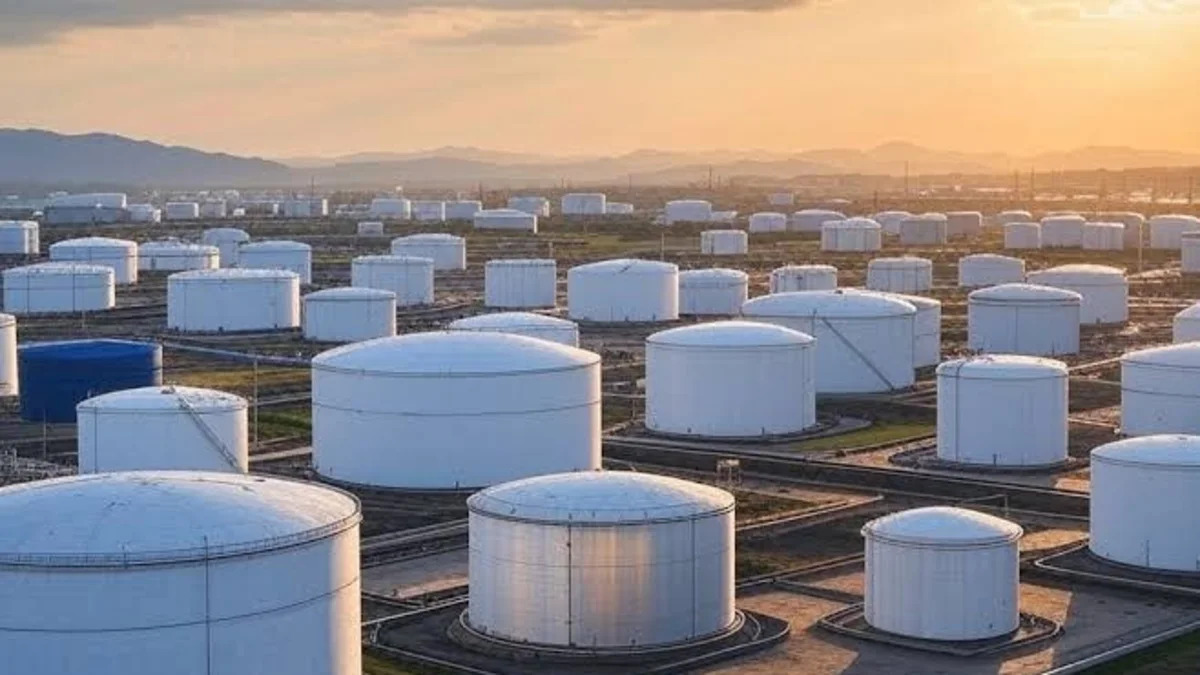
That inventory was accumulated well before the conflict. The U.S. Energy Information Administration estimates China spent much of 2025 buying roughly 900,000 barrels per day for strategic and commercial storage whenever prices softened.
Independent “teapot” refiners cut operating rates as weak refining margins, slowing fuel demand and higher crude prices squeezed profitability. Reuters reported that several refiners shifted purchases toward discounted Gulf grades and delayed Iranian cargoes, leaving millions of barrels floating offshore without immediate buyers.
China’s imports collapsed faster than refinery demand
Kpler estimated in late May that Chinese seaborne crude imports had fallen to 6.78 million barrels per day, the lowest level in nearly a decade, down from 8.5 million bpd in April and well below the 2025 average of 10.66 million bpd. Refinery intake, however, declined far less sharply, indicating that refiners were meeting the difference by drawing inventories.
In May, Kpler estimated that Chinese refiners still held more than 300 million barrels of crude in refinery storage, which would have been enough to offset the import shortfall for another 60 to 75 days without increasing purchases. At the same time, China’s strategic petroleum reserves grew by 8 million barrels after the conflict began, despite refinery inventories falling by 15 million barrels. In other words, Beijing preserved government-controlled stocks while commercial refiners supplied the market from their own tanks.
In a follow-up analysis published in a July blog, Kpler revised May imports to about 6.7 million bpd, 4.4 million bpd below the first-quarter average, while refinery runs had fallen by only 1.8 million bpd year over year to roughly 13.1 million bpd, confirming that stored crude had replaced imports.
According to Kpler, China’s absence changed Asian crude pricing.
China’s reduced buying left more Gulf crude available across Asia. Saudi Aramco responded by cutting the price of Arab Light to Asian buyers by $4 per barrel for June-loading cargoes, another $6 for July and a further $11 for August, leaving its flagship grade at a $1.50-per-barrel discount to the Oman-Dubai benchmark.
Story Continues