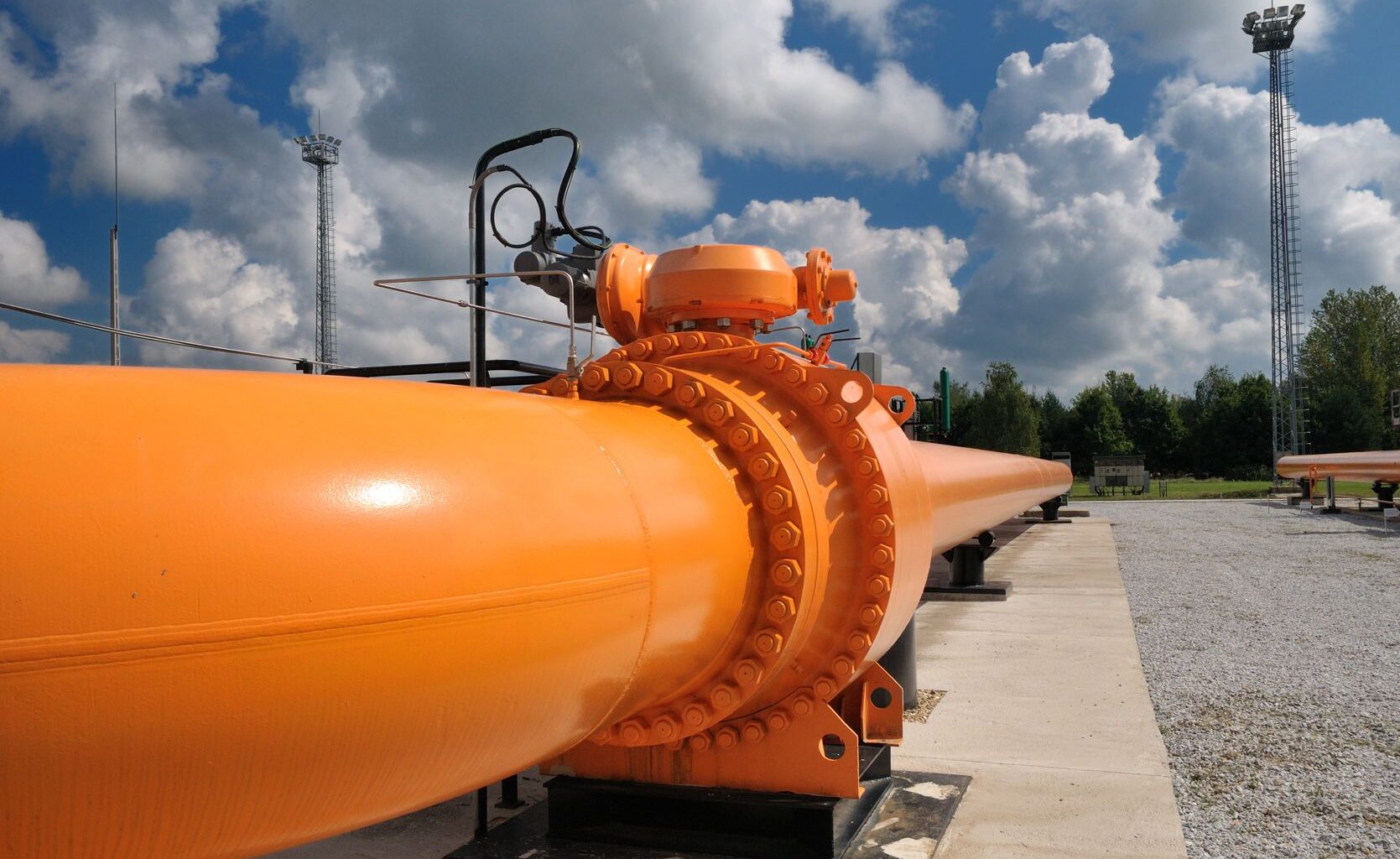
Preliminary data from the Hungarian gas TSO, FGSZ (MOL’s subsidiary) confirms that Hungary’s high-pressure pipeline network operated smoothly throughout the first half of 2026, according to the company’s CEO, Szabolcs I. Ferencz.
Total commercial deliveries reached 8.7 billion cubic metres, which is a slight 0.7 per cent decrease compared to the same period in 2025. Domestic consumption remained flat at 4.8 billion cubic metres, driven by mild winter temperatures in February and March. Import streams remained stable at 5.8 billion cubic metres. The interconnection point with Serbia provided the majority of these volumes at 3.8 billion cubic metres, whilst inflows from Romania and Croatia surged by 64 per cent and 57 per cent respectively. Conversely, imports from Austria dropped by 47 per cent. Outbound deliveries fell by 20 per cent to 2.31 billion cubic metres, primarily due to lower flows toward Slovakia and Ukraine.
Crucially, underground storage injections for the first half of 2026 jumped 52 per cent compared to the previous year to 1.55 billion cubic metres. By 14 July, Hungarian storage units reached approximately 55 per cent capacity, which aligns with 2025 levels and provides some buffer against tight global LNG markets.
In its Summer Supply Outlook 2026, ENTSOG warns that refilling European reserves to the 90 per cent target by November will require higher LNG imports and greater infrastructure utilisation. However, ongoing geopolitical tensions and unfavourable price spreads are currently weakening the economic incentives for storage injections across Europe. Consequently, ACER encourages member states to closely monitor their filling trajectories in the coming months to mitigate these risks.