By Phoebe Seers
LONDON, June 30 (Reuters) – The Bank of England on Tuesday signalled the need for bespoke AI regulation to contain risks to the financial system posed by increasingly capable agentic systems, in a potential shift in its approach to overseeing the technology.
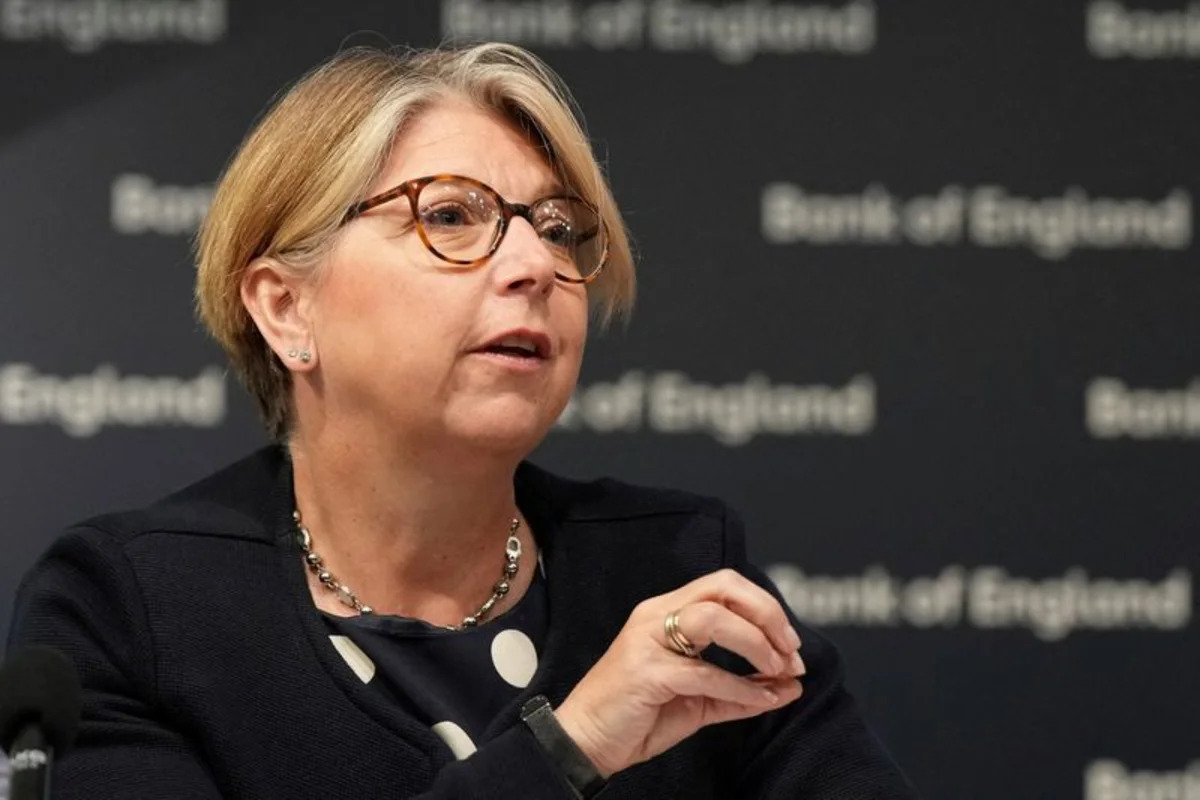
Following years of insistence that existing frameworks were sufficient to mitigate AI risks, Deputy Governor Sarah Breeden said rapid developments in areas like agentic payments and trading had exposed potential gaps that could require a more sophisticated regulatory response.
Agentic AI can make decisions and operate autonomously.
“Our frameworks were not built to contemplate autonomous agents, and relying on a human in the loop for all agent actions is unlikely to be realistic,” Breeden told the European Central Bank Forum on central banking in Portugal.
ENHANCED RECOVERY AND KILL SWITCHES
Breeden said the BoE is considering whether banks need “enhanced recovery” for core systems, allowing one bank to take over another’s basic functions during a disruption.
Other measures under consideration include fresh guardrails and circuit breakers or kill switches “that would limit or stop trading market-wide if faulty AI models cause market meltdown.”
According to a Cambridge Centre for Alternative Finance survey, 52% of finance firms are already using agentic AI. In commerce, agents are typically used to recommend products and in trading, firms mostly use autonomous AI for lower-risk operational tasks, though that could change quickly, Breeden said.
“If AI agents respond similarly to the same prompts or triggers, they could amplify volatility in stress – especially if their objectives drift from original goals or public policy objectives.”
Regulators and global standard-setting bodies have repeatedly warned about the risks posed by the rollout of AI across the financial sector since Anthropic released Mythos, a model that analysts say could introduce significant cybersecurity challenges to the banking industry.
The Financial Stability Board earlier in June called for tighter safeguards to guard against the risks of AI agents, which, it said, posed a distinct challenge to human oversight.
(Reporting by Phoebe Seers; Editing by Barbara Lewis and Tommy Reggiori Wilkes)