By Tharuniyaa Lakshmi and Purvi Agarwal
July 24 (Reuters) – European shares recovered on Friday after registering their steepest one-day loss in two weeks in the previous session, as investors drew comfort from some corporate earnings and assessed the impact higher oil prices could have on monetary policy.
The pan-European STOXX 600 index edged 0.5% higher to 642.62 by 0835 GMT, leaving it to swing between gains and losses for the week.
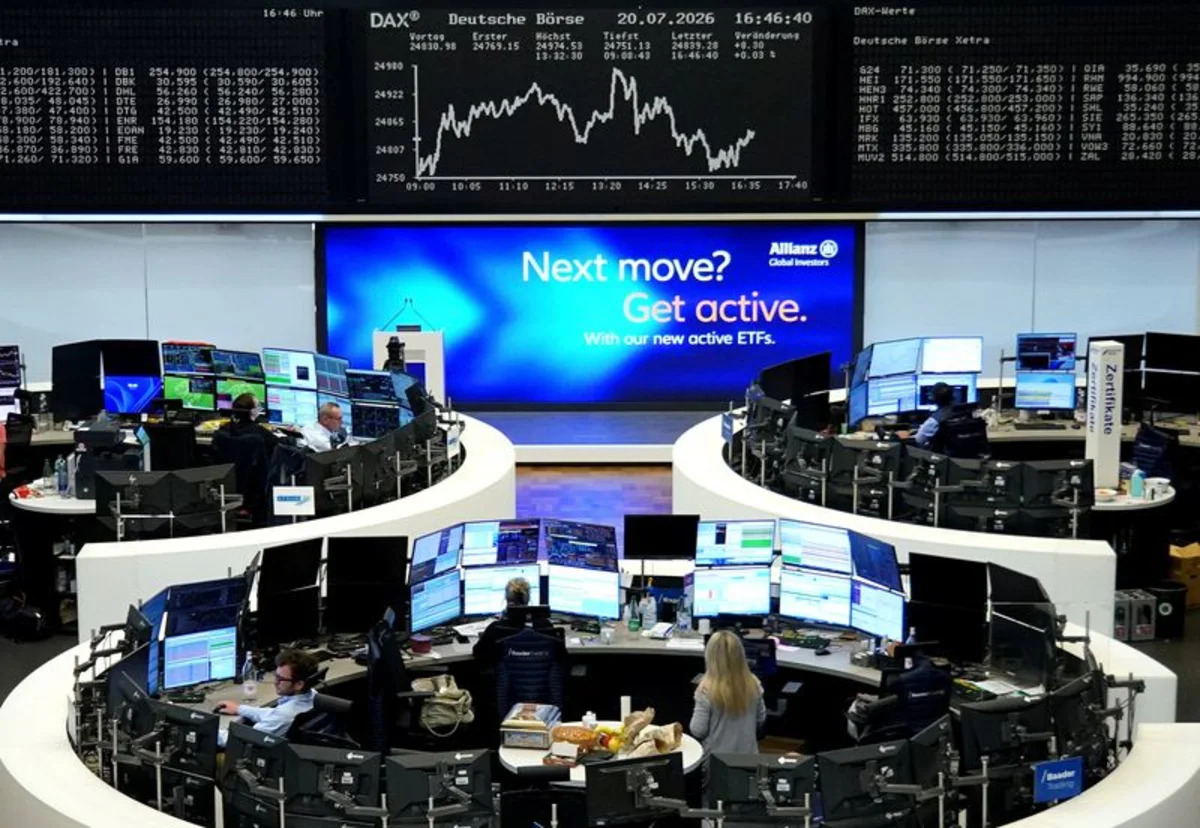
Germany’s DAX rose as SAP gained 6.2% after the software group reported second-quarter current cloud backlog growth ahead of analyst expectations.
The broader technology index added 1.4%, reclaiming some lost ground after quarterly updates from STMicroelectronics and BE Semiconductor failed to impress investors on Thursday.
Markets have been trying to balance AI-driven growth against stretched valuations and returns from hefty investments in the technology, leading to swings in the sector of late.
“The two big problems for the big tech companies are that capex is no longer being funded out of free cash flow alone and that cheaper open-source AI is seriously threatening business models,” said Deutsche Bank analysts led by Jim Reid.
The STOXX 600 technology sector is up 16% so far this year, just behind energy stocks that have surged about 32%.
On Friday, oil and gas stocks failed to capitalize on Brent crude prices that remained over $100 a barrel, as a 10% drop in Neste weighed after the Finnish biofuel maker and oil refiner reported second-quarter core profit slightly below expectations.
“We’ve moved from pricing in a period of weak growth and higher inflation to potentially even recession. We’re not quite there yet… but we could get to that point very quickly,” said Chris Beauchamp, chief market analyst at IG.
The European Central Bank may need to raise interest rates again as inflation risks ran high, three policymakers said on Friday, after the bank left rates steady on Thursday but kept a September hike on the table.
Markets are still pricing in a 25-basis-point increase and about a 70% chance of another similar hike by the end of 2026, according to LSEG-compiled data.
Meanwhile, the U.S. administration imposed new tariffs of 10% and 12.5% on goods from 60 trading partners, over allegations of lax enforcement of forced labour bans, just as a temporary 10% global tariff expired.
Among other stocks, Volkswagen was little changed after the carmaker dropped its previous revenue growth forecast following a 9.5% slump in second-quarter profit.