Good morning. Here’s what happened overnight and what you need to know today.
1.
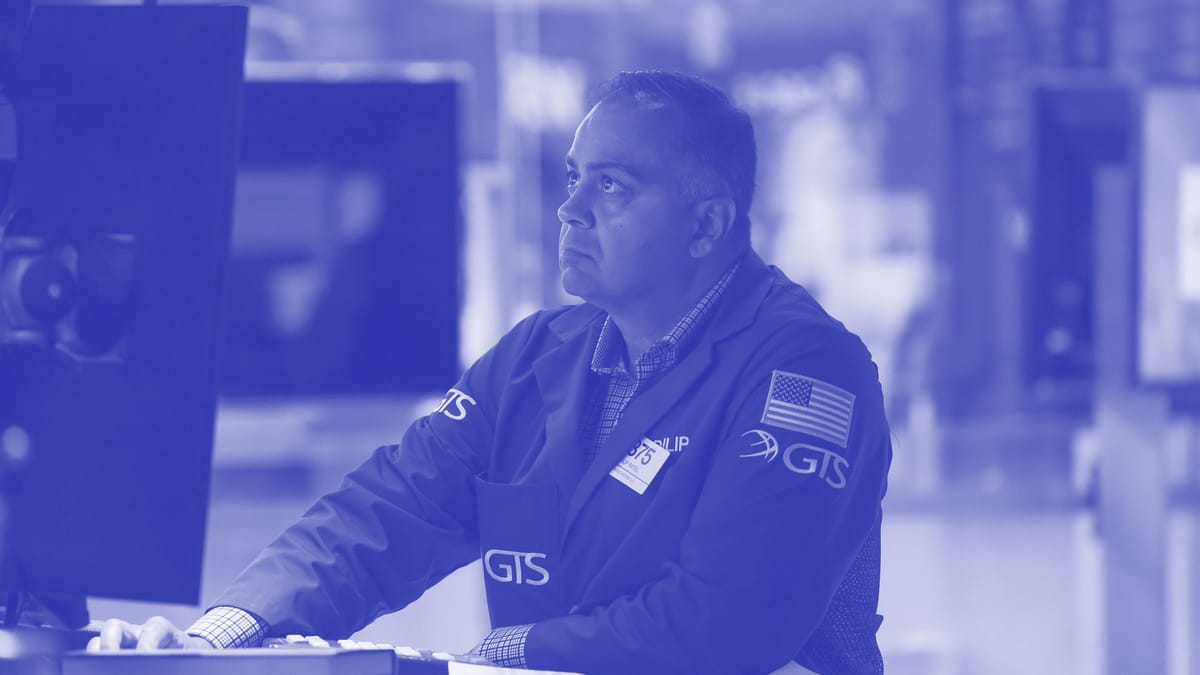
Strait talk: Wall Street’s Dow and S&P 500 closed lower overnight as a rally in oil prices lifted Treasury yields and revived inflation concerns. The Dow shed 0.85%, while the S&P 500 slipped 0.18%. Brent crude settled at USD82.49 a barrel, up 3.83%. Meanwhile, Iran’s semi-official Fars news agency reported an Iranian parliamentary committee is reviewing a preliminary bill barring US, Israeli and other hostile vessels from the Strait of Hormuz. The higher energy costs stoked concerns the US Fed will have to raise rates, with the 10-year Treasury yield up six basis points to 4.67%. Attention on Wall Street turns to July payrolls, where economists estimate an 80,000 increase after June’s 57,000 gain. Western Digital and Sandisk both fell after forecasts underwhelmed, despite gains this year of about 160% and more than 400% respectively. Elsewhere, Apollo agreed to buy easyJet for about USD7.7 billion, seeing off a bidding war with Castlelake. (WSJ)(Reuters)(Bloomberg)
2.
Watch this: Australia’s largest banks are building an industry-wide watch list to flag accountants, lawyers, ex-bankers and other professionals implicated in loan fraud, Capital Brief revealed. Staff at the majors are in advanced discussions with the Australian Financial Crimes Exchange to expand the sector’s register of dodgy mortgage brokers to cover a wide range of bad actors, according to four sources who spoke anonymously. The broker register is expected to be rolled out as a pilot in the coming weeks, with other professions added in stages. Those caught providing falsified documentation to one institution will be flagged, preventing them from defrauding other banks. A senior banking source said the watch list would have helped institutions identify the criminal operation behind CBA’s $1 billion in suspected fraudulent loans earlier and contained the damage. The sector-wide figure is now estimated at around $4 billion. It reflects growing concerns within the banks and the regulators about the risks posed by third party referral channels. (Capital Brief)