MOSCOW, Aug 7 (Reuters) – In the space of three weeks, Vasily Klimov’s online shopping pick-up point in Moscow has gone from a healthy small business to a loss-making operation he is now desperately trying to sell.
Klimov runs one of 98,000 pick-up points in Russia and neighbouring countries where customers collect goods ordered through Wildberries, the country’s leading e-commerce retailer.
But since July 18, when Ukraine began targeting Wildberries warehouses across Russia in a wave of near-nightly drone attacks, his business has taken a massive dive.
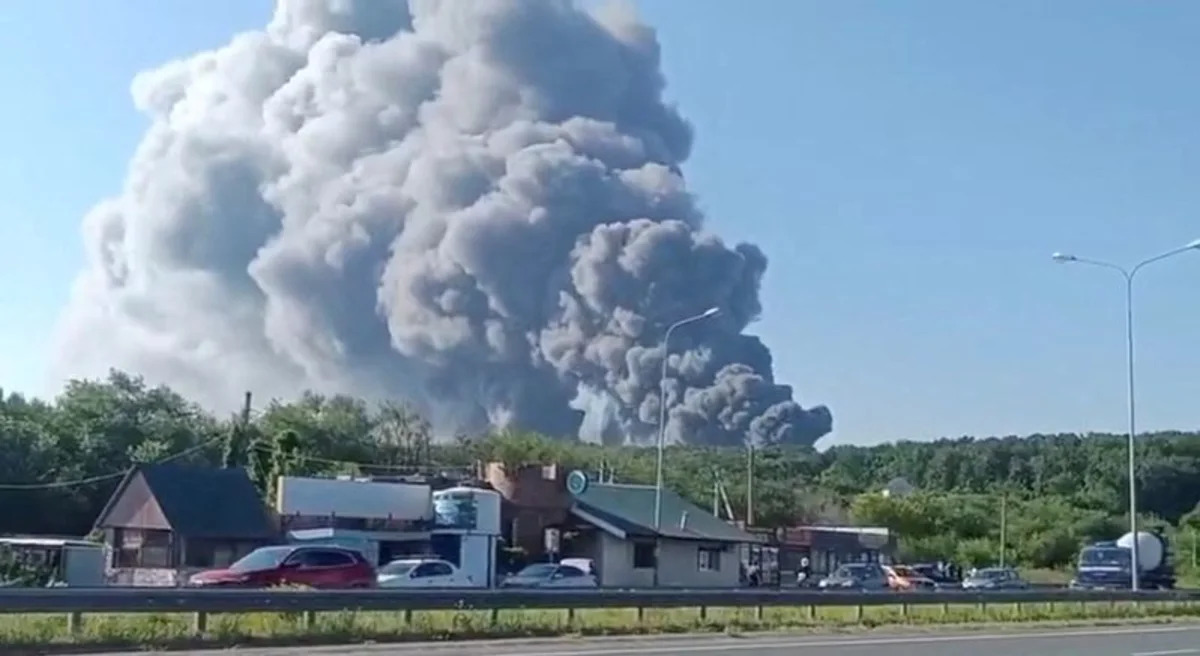
Attacks on around 20 of the company’s sites have sparked major fires, destroyed entire warehouses of stock, and disrupted its vast logistics network across the world’s largest country.
A Reuters review of satellite imagery shows at least 1.18 million square metres of storage space – more than a fifth of the company’s capacity – has been damaged or destroyed.
The disruption is sending shockwaves through Russia’s retail sector, affecting not only franchise operators like Klimov but also tens of thousands of small businesses that rely on Wildberries to sell their products online.
“Sales have dropped by about 50% over the past month, and that is because there are almost no deliveries,” said Klimov, whose outlet operates under a Wildberries franchise agreement.
“The last month has been entirely loss-making.”
WAREHOUSE ATTACKS BRING WAR’S COSTS TO BUSINESS
At least 13 people have been killed in the warehouse attacks. Ukraine, which was invaded by Russia in February 2022, denies targeting civilians and says the strikes are part of a campaign to “bring the war home” to ordinary Russians and raise the cost to Moscow of continuing the conflict.
Russia this week killed at least 17 people in attacks aimed at commercial warehouses in and around Kyiv that it alleged were being used to store drone components and other “dual-use” goods with military as well as civilian applications.
Ukraine says Wildberries, whose vast product range includes items such as night-vision goggles, ammunition pouches and helmets, alongside regular clothing, cosmetics and electronics, is supporting Russia’s war effort. The company and the Kremlin say it does not supply to the army.
The sustained targeting of Wildberries is significant because the company, together with other e-commerce platforms, handles goods and services worth the equivalent of 8.5% of Russia’s economy.
Central bank governor Elvira Nabiullina said on July 24 that the bank would wait and see whether supply disruptions resulting from the attacks translated into higher inflation.
Story continues