A flurry of corporate earnings from entertainment and media companies capped off by the Federal Communications Commission removing a 22-year-old limit on how many local TV stations could own meant investors had their hands full digesting all the data.
Whether it’s the state of the on-going Paramount-Warner Bros. Discovery saga or Nexstar’s acquisition of Tegna — both held up in legal limbo — or how media companies are managing the declines in linear TV, where is the smart money headed?
I talked with top analysts to get the word on the street and offer a cheat sheet on an extremely busy earnings week.
Thanks for reading.
Jon Lafayette
P.S.: Send your tips and pitches to jon.lafayette@thewrap.com
THE DEEP DIVE

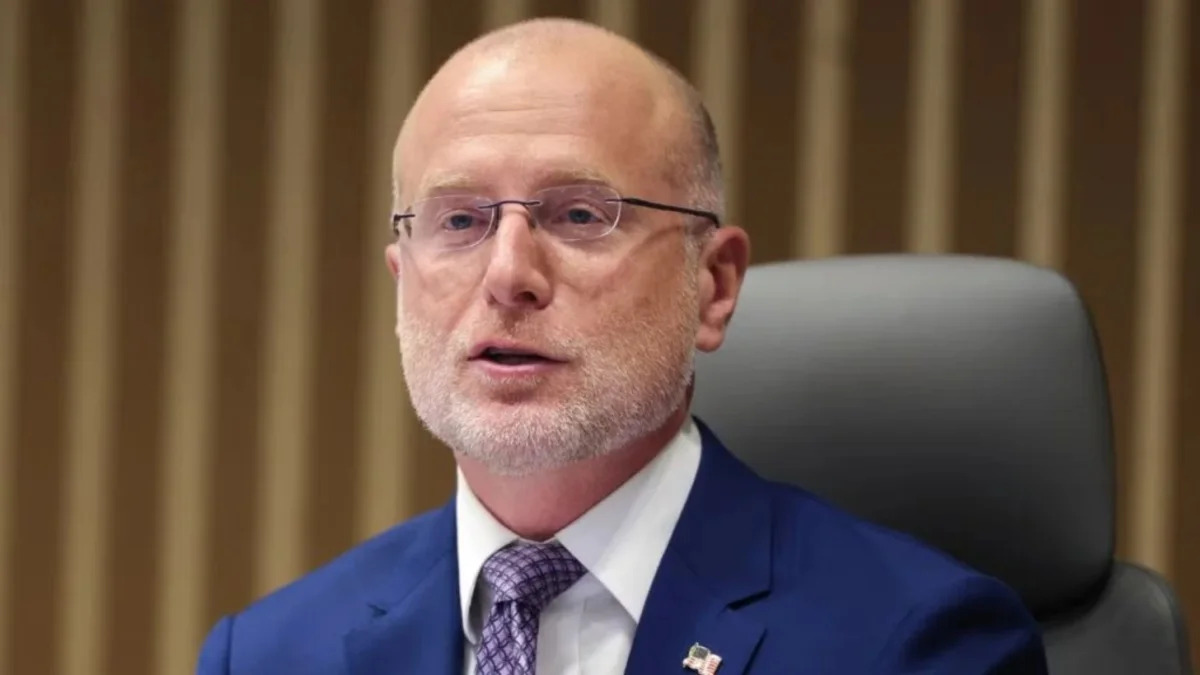
Brendan Carr led the push to remove the cap on TV broadcast ownership. (Credit: Getty Images)
Wall Street’s Take on FCC’s Removal of Broadcast Ownership Cap
The Federal Communication Commission removing the cap on television station ownership will unleash a flurry of deal activity, analysts say. But investors can hit pause before making any moves, with immediate deals unlikely to pop up.
“I don’t think there would necessarily be a rush, but I think over time TV stations owners will look to sell,” Craig Huber, media analyst at Huber Research Partners, told The Ledger.
That’s because there’s still ongoing legal challenges — including the states taking matters into their own hands — that may temper that urge to merge.
The FCC eliminated the rule that kept companies from owning TV stations that reach more than 39% of the country.
More industry consolidation is likely once legal appeals of the ownership cap vote are settled
Big deals, like Sinclair’s rejected bid to buy Scripps, might be back on the table, and big broadcasters are also likely to try pick off more stations on a market-by-market basis.
“I think it’s likely to get tied up in court,” Huber said. “Someone is going to argue that Congress is the only one who can change the 39% ownership cap.”
Analysts Blair Levin, of Newstreet Research, (left) and Craig Huber of Huber Research Partners
Still, the change will likely have companies at least eyeing each other. It’s not just Nexstar and Tegna, with other larger players like Sinclair having made noise about dealmaking.
“In the short term, it is mildly good for investors in Sinclair and broadcasters wanting to sell to Sinclair, but everyone knows Carr would approve those deals anyway through the same process he used for Nexstar, so there isn’t any significant change. And as Nexstar shows, states can still raise antitrust issues,” said Blair Levin, policy advisor to New Street Research.
Story continues