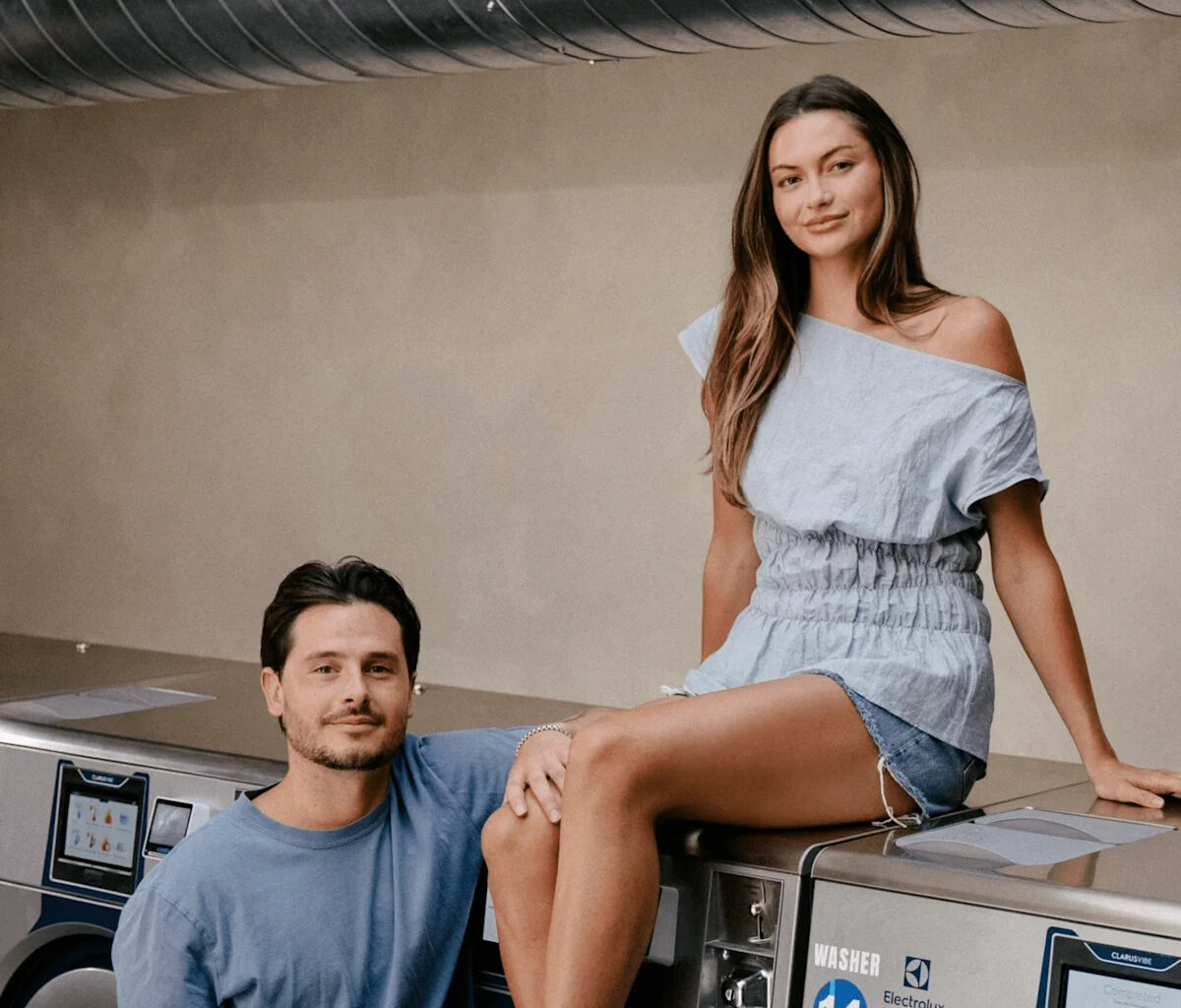
At Christmas dinner in 2023, 25-year-old Ireland McCaughey listened as her family talked about friends preparing to retire and the businesses they were leaving behind. Their children weren’t interested in taking over the family car washes, laundromats or parking lots. But across the room, McCaughey and her business partner, Ben Razin, saw opportunity in the kinds of “boring businesses” most people their age ignored.
“We realized there was a really huge gap where people our age were kind of overlooking the more traditional industries,” McCaughey told Fortune. “A lot of the people that own them are kind of aging out and looking to sell them.”
“When Ireland and I came in, we were these young 25-, 27-year-olds coming to the laundry industry, and we just kind of wanted to reimagine what it could be to be a laundry service and a laundromat,” Razin said.
What investor and entrepreneur Codie Sanchez has popularized as “boring businesses” has become one of entrepreneurship’s hottest conversations. But for McCaughey and Razin, the appeal wasn’t simply buying an old business. It was proving that one of Main Street’s oldest industries could be reimagined.
Within months, McCaughey and Razin had gone from talking about laundromats over Christmas dinner to pitching investors and lenders, taking on real debt and packing up their lives in Orange County and moving to New York. They signed a lease on July 1, 2024, with six months of free rent to build the business before payments kicked in, leaving little room for mistakes.
They caught one lucky break. The space already had the gas, water and electrical capacity needed to operate a laundromat, sparing them the months-long permitting process that can derail businesses before they even open.
Then the countdown began. Every day they weren’t open was another day closer to January, when the free rent ended and the bills would start coming due.
“Your back’s against the wall, so you have no choice,” Razin said.
Bringing startup thinking to Main Street
To Razin, laundromats had one advantage other “boring businesses” didn’t.
“Laundromats have historically been this thing where, if it’s not broken, don’t fix it,” he told Fortune. “Once you have a customer, it’s very difficult to lose them. You have to really do something bad to lose them.”
For decades, many Main Street businesses competed on convenience because they had little reason to compete on anything else. McCaughey and Razin wondered what would happen if they competed on experience instead.
Story Continues