
Mahmoud Tubasi has not lived in his home in the village of Jalud, south of Nablus, since late July, after fleeing following weeks of settler violence.
“It all escalated very quickly,” he told The Times of Israel.
Tubasi built the house some seven years ago on land owned by his family on the outskirts of Jalud. The property sits in Area B, where, under the Oslo Accords, Israel maintains security control while the Palestinian Authority is responsible for civilian affairs.
For nearly seven years, he and his family, including his two children and grandchildren, lived there peacefully, he said. But in April, some four months ago, settlers began targeting the home, first setting fire to it and then laying siege to Tubasi and his family.
On July 22, after his pleas for help went unanswered, the family fled. Watching from afar, Tubasi has since seen settlers moving around his home.
Get The Times of Israel’s Daily Edition
by email and never miss our top stories
By signing up, you agree to the terms
In recent years, settler extremists in the West Bank have stepped up campaigns of harassment and violence aimed at driving Palestinians from their homes, sometimes displacing whole communities.
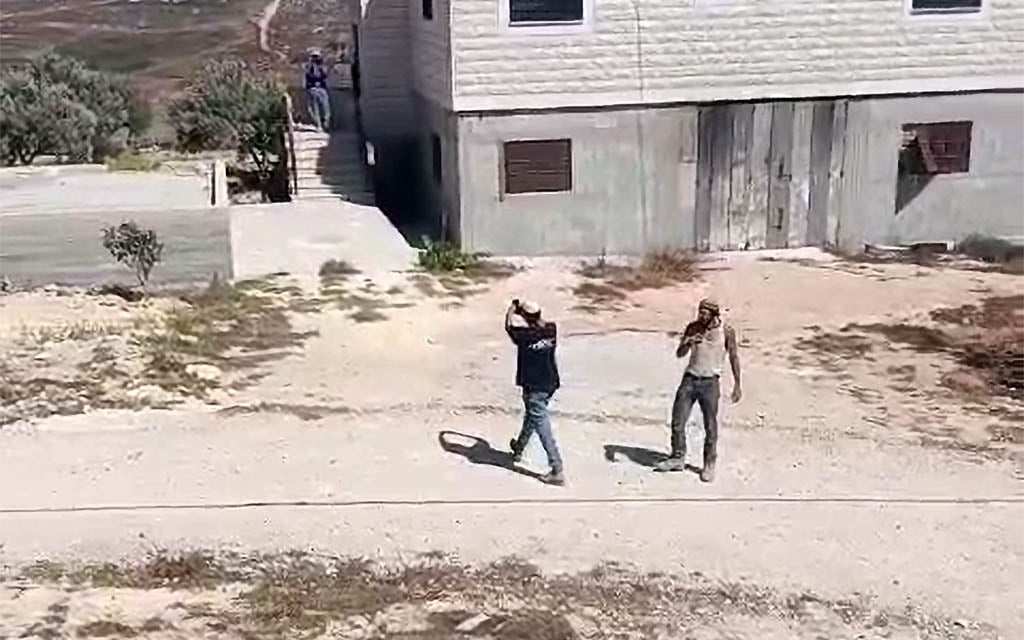
Settlers walk around the yard of a home in Jalud before taking it over, July 2026. (Courtesy)
Unlike Tubasi’s, most of the targeted families and hamlets until recently have been Bedouins living in makeshift structures and often lacking formal claims to the land, even though many had been in the same place for decades.
In the past year, however, settlers have also begun to stage takeovers of the homesteads of Palestinians living in permanent structures in established towns, displacing people from properties that may have been in their families for centuries.
“The settlers said, ‘This is the Holy Land, and it’s ours,’ and, ‘This used to be yours; now it’s ours,’” said Muhammad al-Aqra, whose nearly finished home south of Nablus was taken over by settlers in late June.
While some seizures were aimed at homes still being built or occupied only part of the year, settlers have also snatched fully lived-in primary residences by essentially forcing those living in them to leave.
In Jalud, and now in the neighboring town of Qusra as well, settlers have been documented surrounding a home, cutting off its occupants’ access to the outside world, and waiting for them to flee under duress. Once they leave, the settlers take control of the property and block the family from returning.
Since Sunday, Qusra homeowner Youssef Hassan has been trapped with his wife and their two young daughters, ages 2 and 4, by settlers surrounding their home, in a case that has begun to draw attention to the burgeoning phenomenon.
Hassan told The Times of Israel by phone on Monday that settlers erected a makeshift structure in front of the entrance to his home, giving them a foothold to establish a round-the-clock presence at the property, and had cut the electricity lines. Another Qusra resident living in a neighboring home said the presence of the settler outpost had made it impossible for him, too, to leave his home.
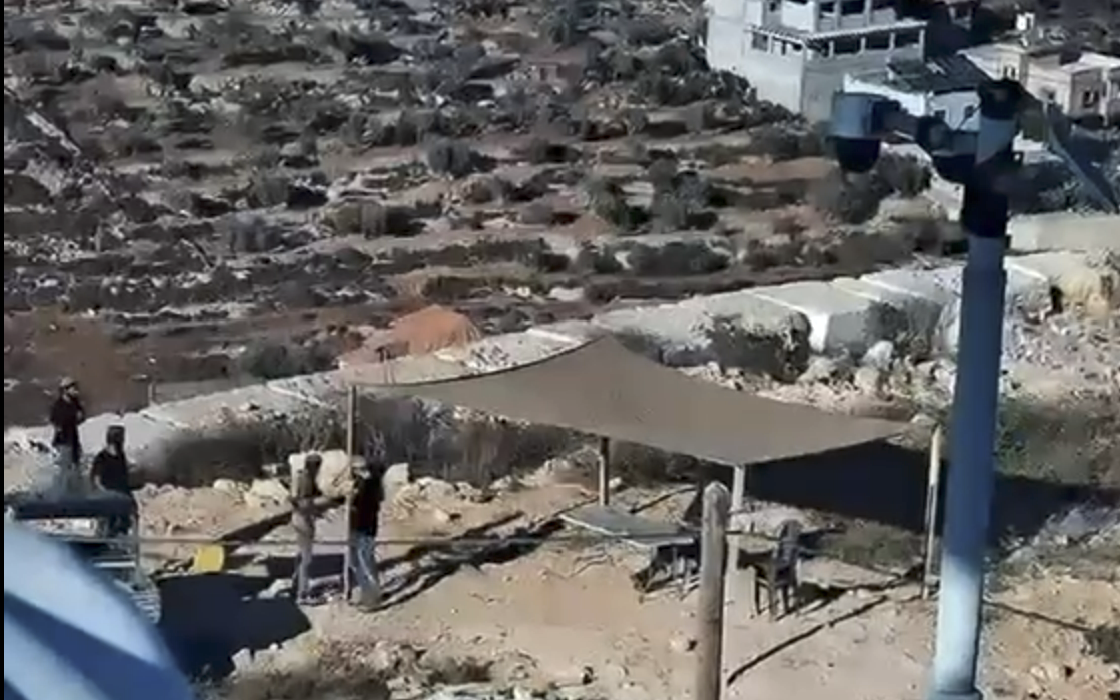
Settlers outside the home of Youssef Hassan in the West Bank village of Qusra, south of Nablus, August 10, 2026. (Courtesy)
Hassan said Tuesday that he feared the family’s food would soon run out, though an ambulance later managed to reach the site and bring food.
“The situation is very bad,” Hassan said after being trapped inside for over a day. “There is a sense of fear and panic. At night, the settlers come to the house, look inside and shout.”
In video footage, settlers could be seen gathering in the structure near the house and attempting to open a gate to the property.
In one clip, soldiers could be seen interacting with and praying alongside the group of settlers, then leaving without taking any action to remove them.
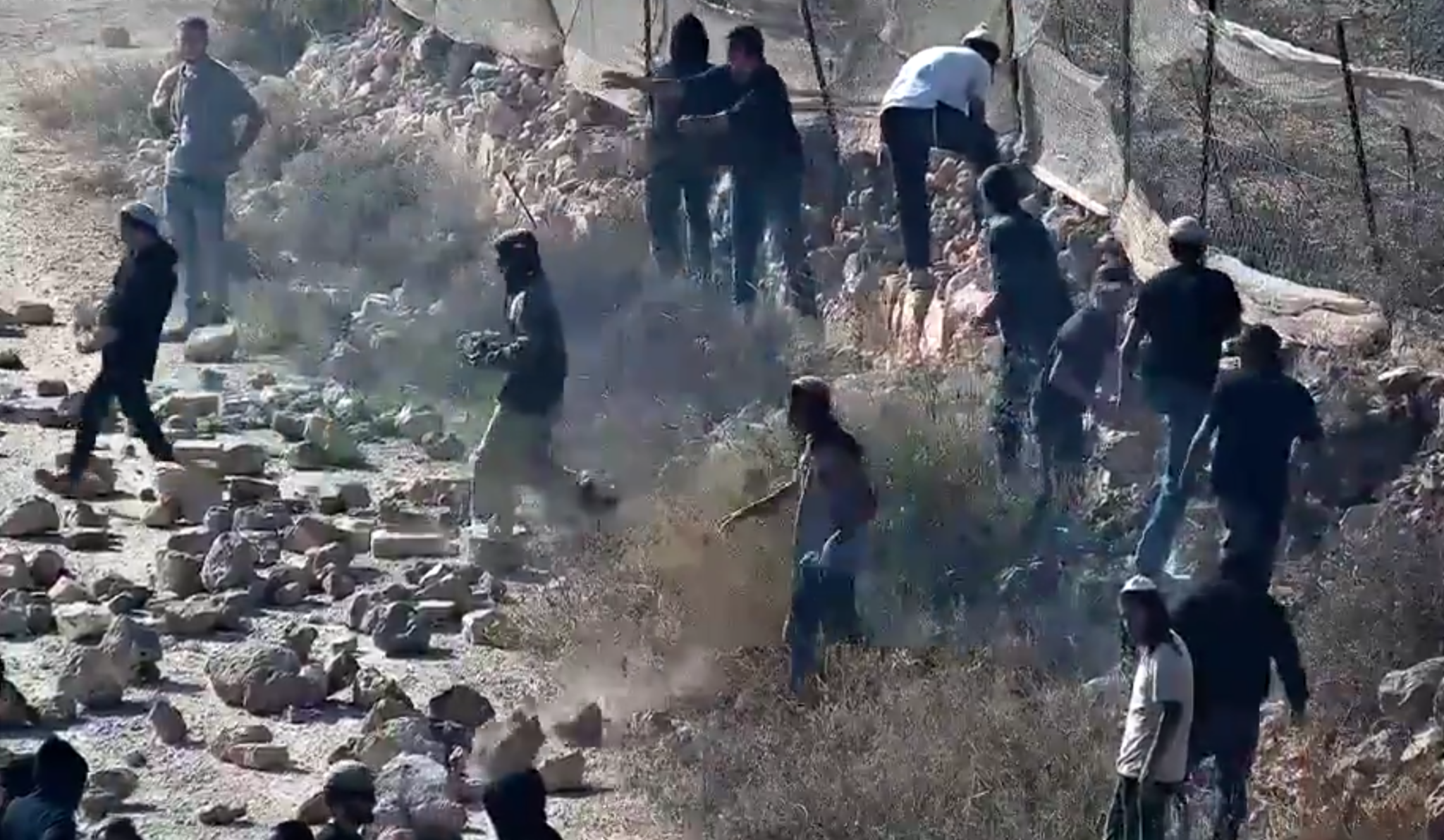
Settlers attempt to prevent the evacuation of an outpost established at the entrance to Palestinian homes near Qusra in the West Bank, August 12, 2026 (Video screenshot; used in accordance with Clause 27a of the Copyright Law)
Early Wednesday, amid heightened public pressure, the Israel Defense Forces began taking action to remove the settler activists from in front of the Qusra homes, setting off clashes. The army also released a statement condemning the phenomenon.
“In recent weeks, several reports have been received of Israeli civilians entering and taking control of Palestinian homes and land in the areas of Qusra and Jalud. This is illegal, reprehensible and unacceptable activity that harms the residents of the areas and disrupts their daily lives,” it said.
A new target
Over the three years from January 2023 through April 2026, some 5,900 people in the West Bank were displaced from their homes due to settler violence, the UN Office for the Coordination of Humanitarian Affairs said in early July.
The figure includes mostly Bedouins (and some Palestinian farmers) living in what the UN defines as “communities.” According to the UN, 45 such communities were completely displaced and another 72 were partially displaced.
In some cases, settlers subsequently established illegal outposts on land where the displaced communities had lived.

An outpost established by settlers adjacent to the Bedouin community of Murayir al-Deir, May 18, 2025. (courtesy)
The recent takeover of a handful of permanent residences also appears aimed at establishing or enlarging outposts, expanding the settler presence in the West Bank to the very cusp of Palestinian towns and villages. These homes are located in Areas A or B, both of which are off limits to any civilian Israeli presence under the Oslo Accords.
Homeowners say they are being stripped of properties that have long belonged to their families, in villages where they have roots going back centuries. Unlike the displaced Bedouins, those being driven from permanent dwellings are more likely to fight their displacement through legal channels, though largely without succor.
The incidents come amid a broader rise in settler violence against Palestinians living in Areas A and B, including arson attacks, stone-throwing and shootings, some of which have been fatal.
They have also occurred against the backdrop of rhetoric by extremist settlers on social media who openly say their goal is to drive Palestinians out of the West Bank.
Until a few decades ago, some Bedouin communities in the West Bank were still seminomadic, ranging between various locations depending on the season. Though now increasingly settled, many of these pastoral communities have maintained vestiges of a non-sedentary lifestyle, including makeshift structures such as tents or shacks.
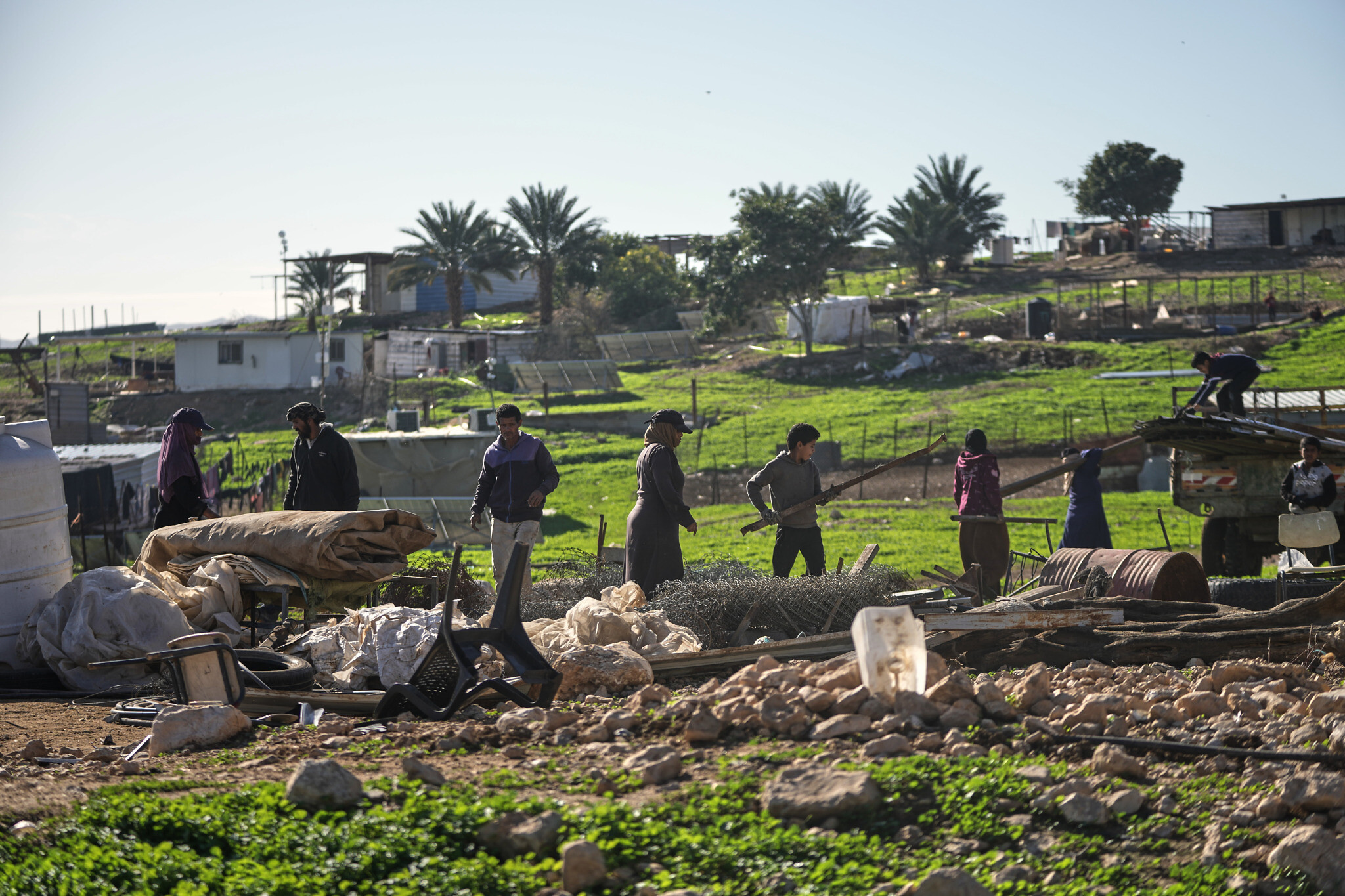
Palestinian residents of the West Bank’s Ras Ein al-Auja village pack up their belongings and prepare to leave their homes after deciding to flee rising settler violence, January 11, 2026. (AP/Mahmoud Illean)
Ironically, that relative mobility has made it easier to drive them out: Families could gather their limited belongings, take apart their homes and flee elsewhere, making the immediate practical consequences of displacement less severe.
Bedouins also often refrained from filing police complaints or petitioning the High Court of Justice immediately after being driven out, both because of that relative ease of relocation and because of other obstacles — a lack of familiarity with available legal avenues and difficulties proving claims to the land.
In some cases, homes had been erected without building permits, while in others families lacked formal documentation proving ownership of the land from which they had been displaced.
By contrast, most of the Palestinians interviewed for this article filed complaints with police, some on the same day they were forced to leave or fled their homes. In one case, a petition was also filed with the High Court of Justice that included documents demonstrating ownership of the land and the settlers’ takeover of the property.
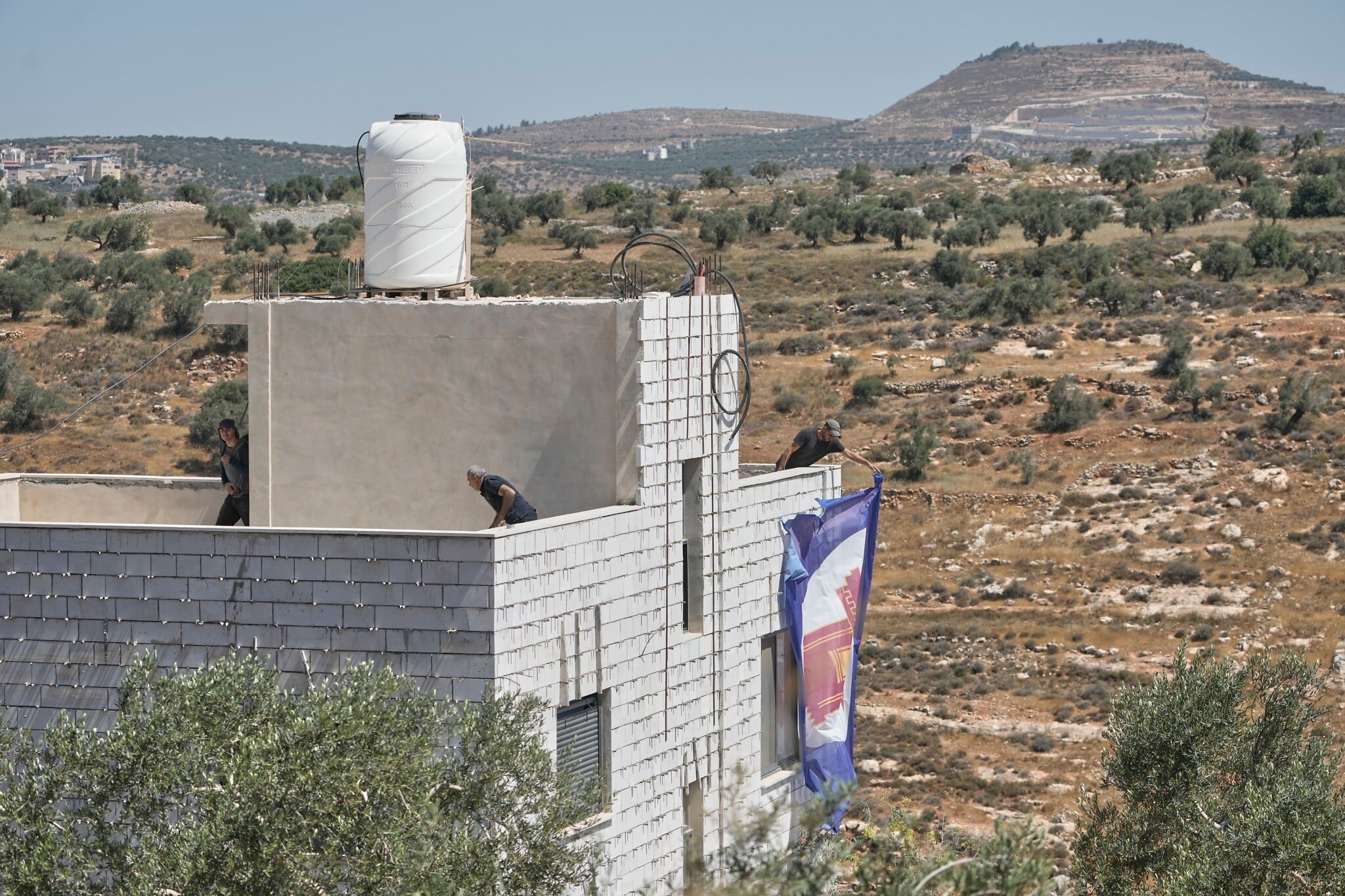
Palestinian villagers and foreign peace activists remove banners and Israeli flags from a Palestinian building that was taken over by Israeli settlers in the West Bank village of Jorish, south of Nablus, June 20, 2026. (AP/Majdi Mohammed)
Nevertheless, law enforcement authorities have yet to remove the settlers from any of the homes in the cases detailed in this article.
The IDF is the sovereign authority in the West Bank, but responsibility for removing Israeli trespassers who unlawfully enter private land or homes lies with the Israel Police.
Although the incidents detailed in this article occurred in Areas A and B, where Palestinian police have authority to operate, the Palestinian Authority does not have criminal jurisdiction over Israeli citizens under the Oslo Accords. Israeli police are therefore responsible for handling alleged offenses committed there by Israelis.
Police did not respond to a Times of Israel request for comment regarding the cases detailed in this article.
‘This is ours’
Tubasi said attackers first attempted to set fire to his home on the night of April 3, while the entire family, including his young grandchildren, were asleep inside. Following the incident, and fearing further attacks, his daughters-in-law and grandchildren left the house and went to live in other villages.
The harassment continued, he said, with settlers repeatedly coming to the house in an apparent effort to intimidate the family into leaving. They also established an outpost nearby.
By late June, settlers had blocked access to the house from all directions, preventing the family from entering or leaving and effectively trapping Tubasi, his wife and their two sons inside.
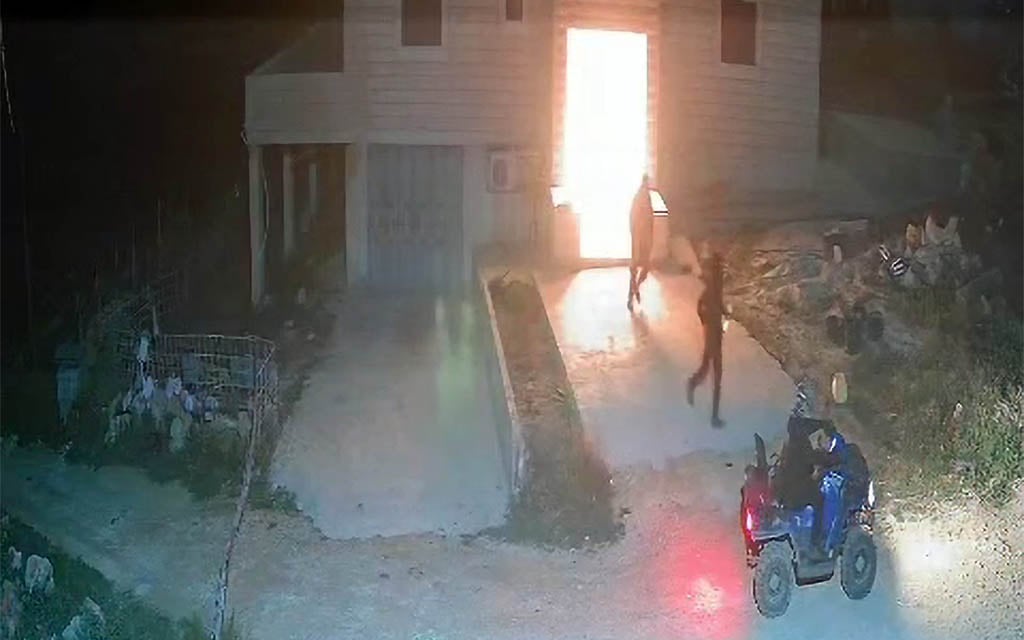
Settlers attempt to set fire to the entrance of a home in Jalud before taking it over, April 2026. (Courtesy)
Tubasi said they remained under siege for 25 days and that despite appeals to journalists, the police and the Israeli Defense Ministry’s Civil Administration, which deals with civilian affairs in the West Bank, the settlers continued to surround the property. After 19 days, he said, they cut the electricity lines to the residence.
The Civil Administration did not respond to a Times of Israel request for comment.
During those weeks, Tubasi filmed settlers standing in the yard of his home.
In one video, after Tubasi asks a settler, “Why are you coming to my house?” the settler responds: “You have one day [more] here. This is ours.”
The settler then says that the entire area belongs to Esh Kodesh, a formerly illegal outpost adjacent to Jalud that the government retroactively authorized in 2025.
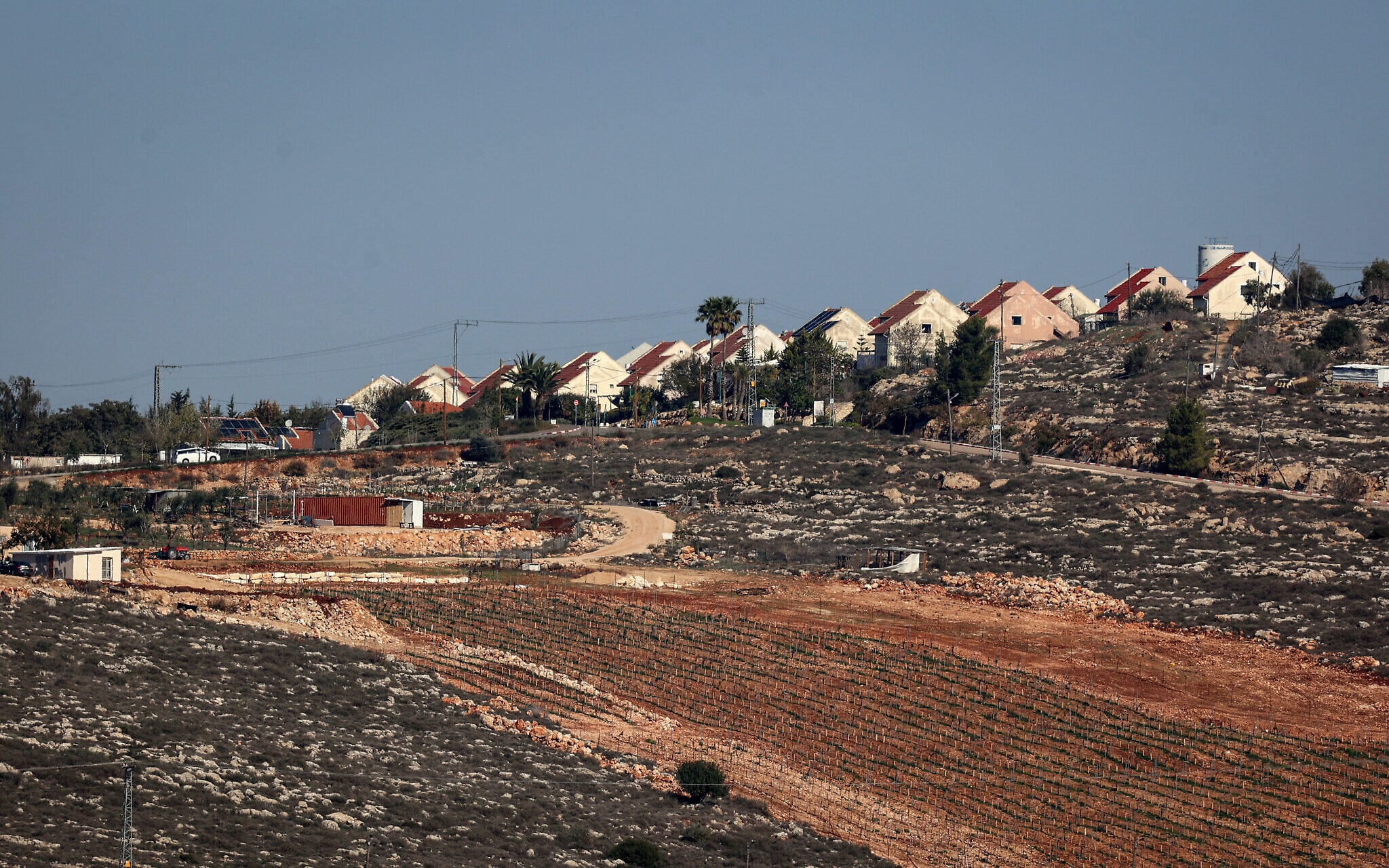
A view of Esh Kodesh, an Israeli outpost in the West Bank, on December 14, 2025. (Zain JAAFAR / AFP)
On July 22, the family fled the house. Shortly afterward, settlers were filmed walking around the property.
“All our belongings stayed in the house. We left them there, and the settlers took control of them. We left with nothing, only the clothes on our backs,” Tubasi said.
Several hours before the family fled that day, Haaretz reported that soldiers had prevented journalists from reaching the family’s home.
After the family left, the IDF said: “IDF and Border Police forces were dispatched to the outskirts of the village of Jalud following a report that Israeli civilians had entered a Palestinian home in the village. When the forces arrived, the house was empty, and it appeared that the family had left the area.”
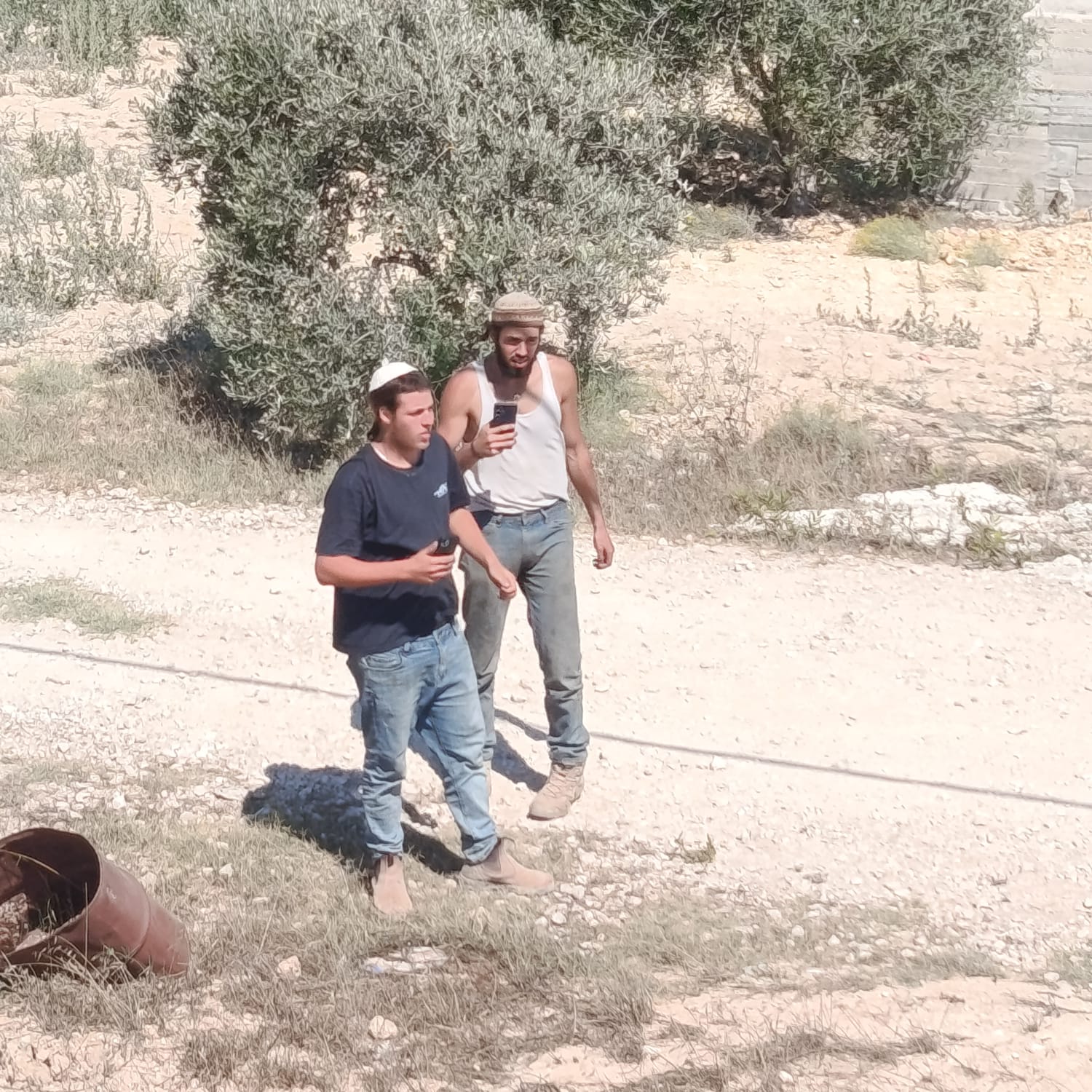
Settlers in the yard of a Palestinian home in the village of Jalud before taking it over, July 2026. (Courtesy)
“Before the family’s departure, the area was declared a closed military zone in order to prevent harm to the family and their property and to prevent clashes from developing in the area. The forces continue to operate in the area at this time, with the aim of enabling the family members to safely return to their home.”
Despite the IDF’s statement, Tubasi has yet to return to his home. He is now staying in an older house in the village and says he can see that settlers are still present at his property. His sons and their families have moved elsewhere — one to Qaryut, a nearby village, and the other to Beitunia, near Ramallah, where he works.
Tubasi said he has twice filed complaints with Israeli police over the takeover of his home, but has not heard back.
Forced out under a military order
The High Court of Justice is set to consider a case involving two homes on the outskirts of the village of Atara, near Jerusalem, which were built as vacation homes by East Jerusalem residents, but allegedly taken over by settlers after the army forced their owners to leave.
The owner of one of the homes told The Times of Israel that he began building the house in 2021 on land that he has owned for some 20 years. He spoke on condition of anonymity, citing fears of settler attacks.
On August 20, 2025, while he was staying at the house, soldiers arrived accompanied by a settler and ordered him to leave, telling him the area had been declared a closed military zone.
Ten days earlier, he said, an illegal outpost had been established about half a kilometer (a third of a mile) from his home.
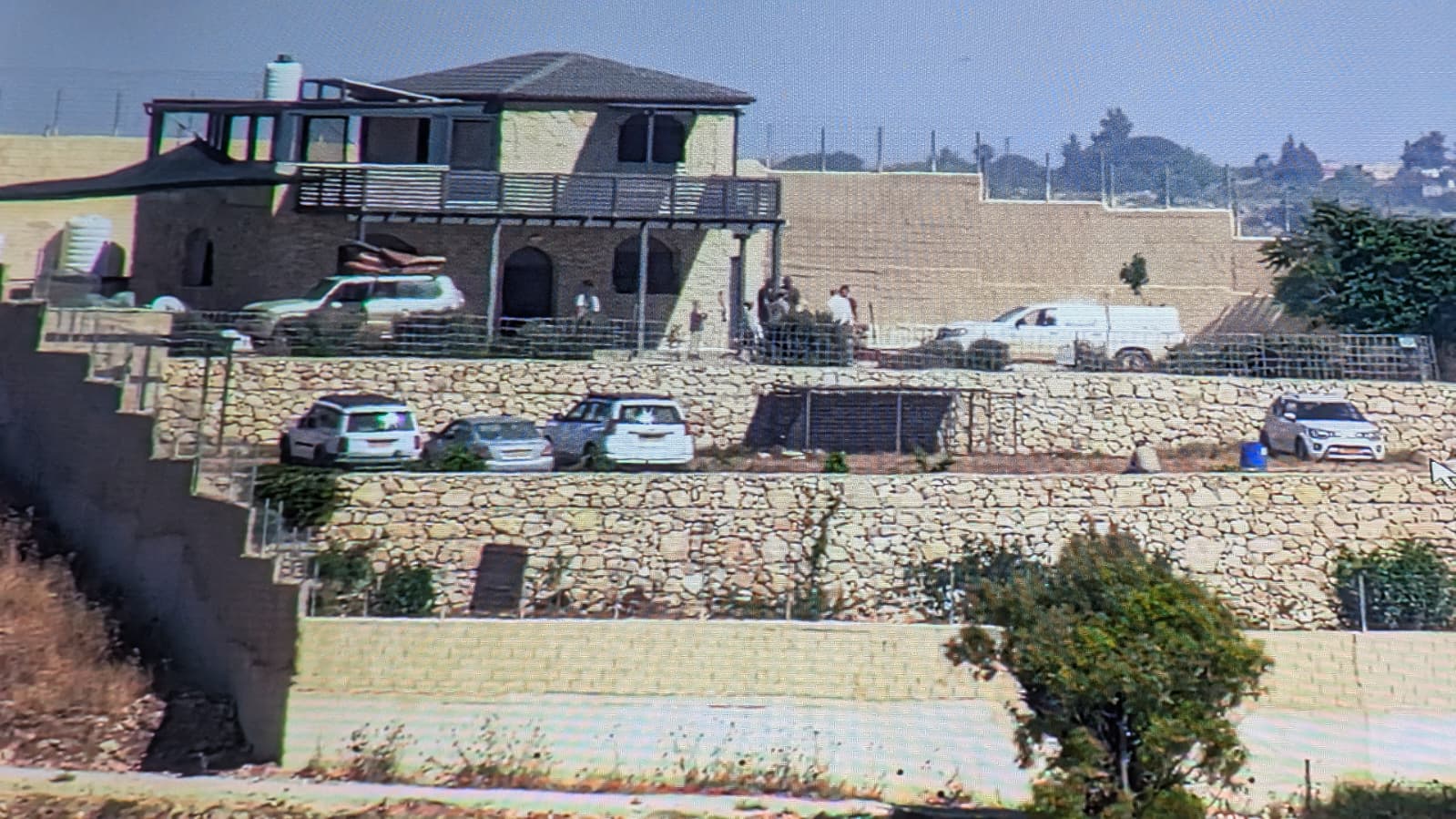
Settlers who entered a home belonging to an East Jerusalem resident in the West Bank village of Atara, June 2026. (Courtesy)
“I tried to explain, ‘This is my house, I cannot leave it. Who’s going to protect it?’ and they said that’s not their problem. They have an order, and I have to leave,” he recalled.
The IDF did not respond to a Times of Israel request for comment regarding the military order.
Three days after being forced to leave, the homeowner saw on his security cameras that settlers had entered the house.
A neighboring home, also covered by the military order, was also taken over. When the owner of that home tried to visit the property later that month, soldiers at the scene prevented him from doing so. In a video he filmed during the attempt, a settler standing alongside soldiers can be heard claiming that the house was unoccupied, while admitting that its owner had tried to reach the property.
While the military order forcing him to vacate the area expired early this year, the homeowner who spoke to The Times of Israel said he had been unable to access the property due to the presence of settlers there.
Observing the property from afar, he has seen settlers living in the house.
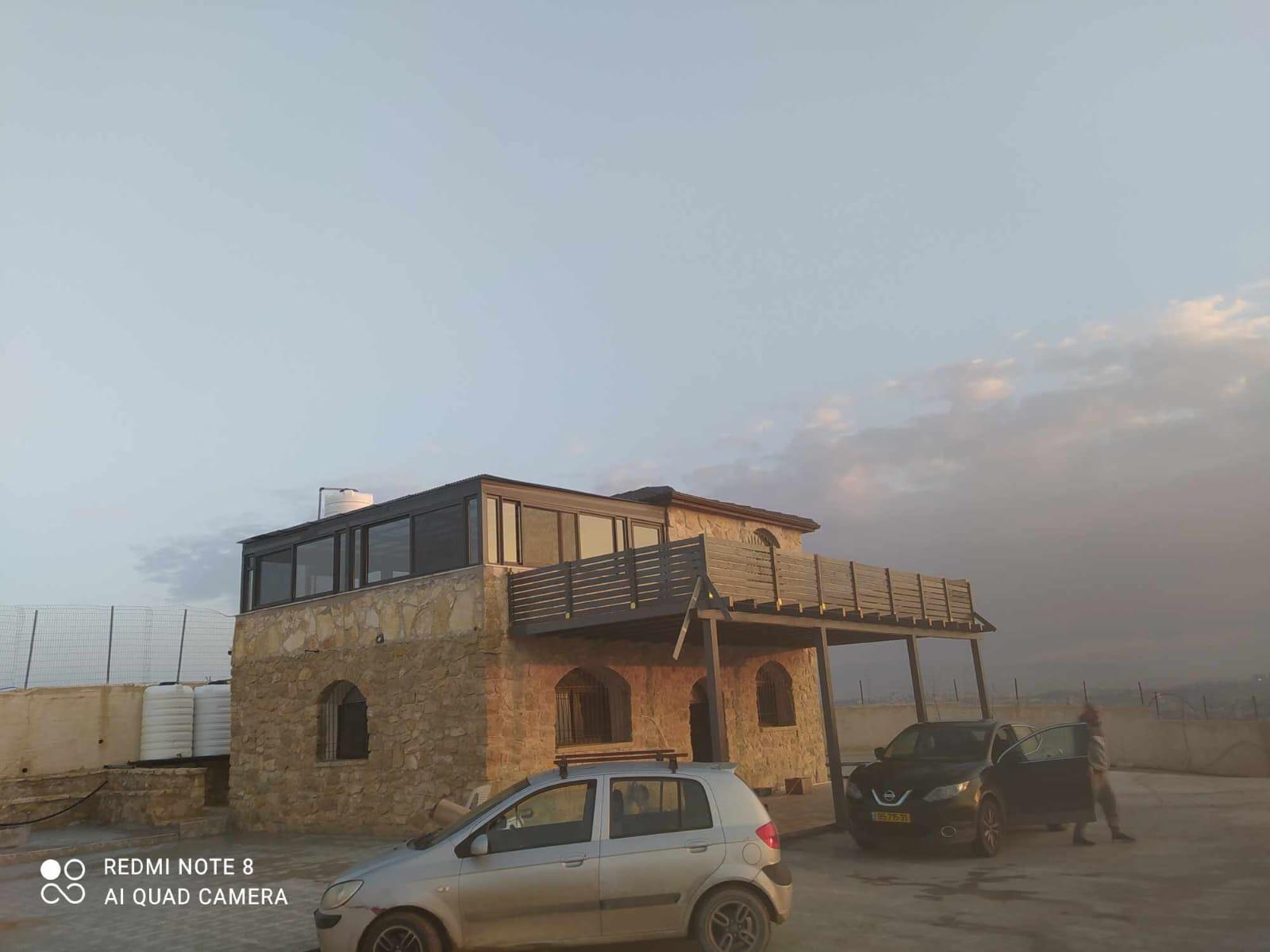
The home built by an East Jerusalem resident in the West Bank village of Atara that was taken over by settlers. (Courtesy)
In July, he got a closer look at what was happening in his home when Israel’s Channel 14 aired footage of Tal Yinon Dardik, a settler who was detained by Israeli authorities under an administrative order over an attack in which a Palestinian was stripped and paraded around the village in March, residing in the house.
Dardik’s detention and refusal to serve house arrest away from an illegal farming outpost he established in Area B of the West Bank has become a major political issue for the right wing, with Defense Minister Israel Katz intervening on his behalf. Dardik denies the charges against him.
In a Channel 14 report about Dardik’s detention, and in subsequent media reports, footage showing scenes from Dardik’s daily life — including his son’s circumcision ceremony — appears to have been filmed inside the Atara house. The property can be identified from its windows and other distinctive features of the walls.
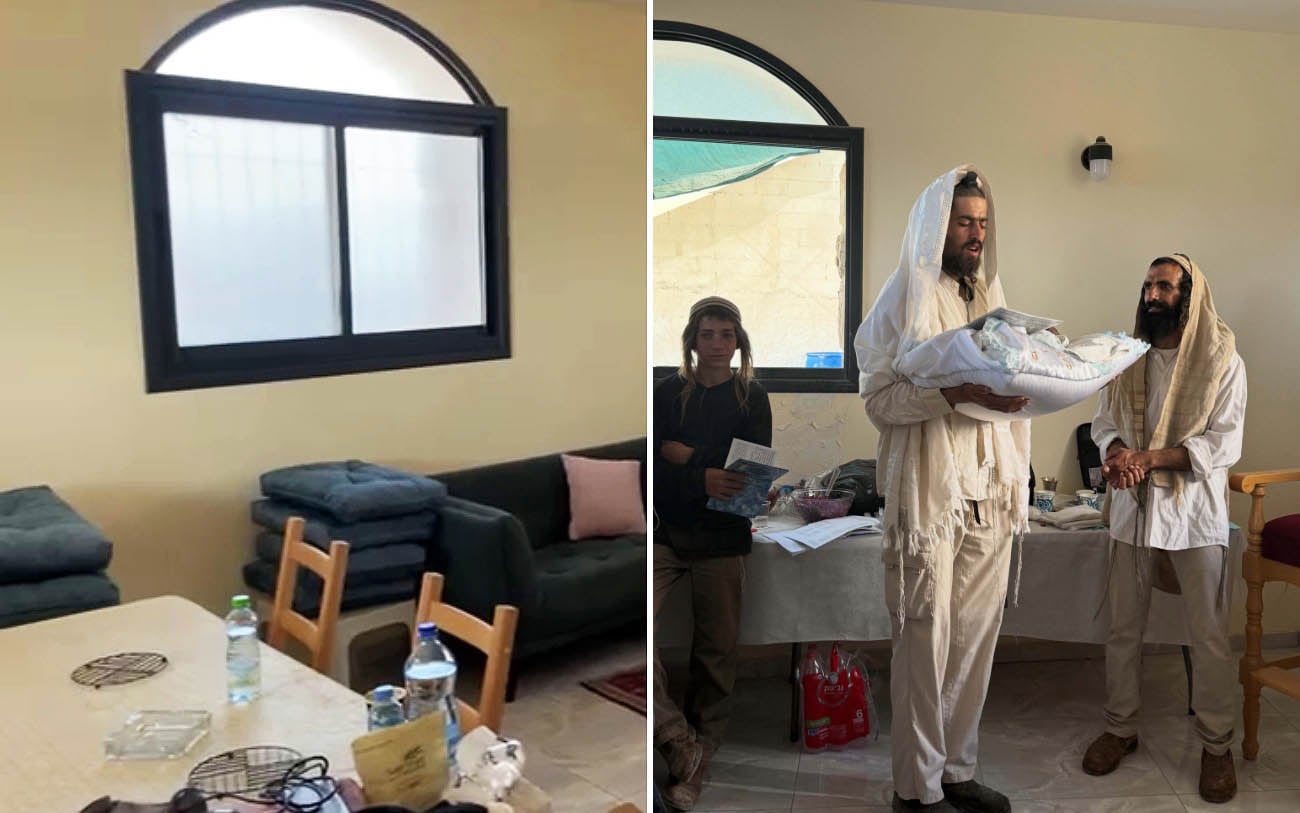
Right: Tal Yinon Dardik, a settler who lives in an illegal outpost (screenshot: Instagram); left: the house built by East Jerusalem residents before it was taken over by settlers (Courtesy)
Dardik’s attorney did not respond to a Times of Israel request for comment.
The homeowner contacted police after being forced out of his home and filed another police complaint once settlers took over the property, but no action has been taken, he said.
“I believe that there is police and army for all its citizens. For Jewish, Muslims, Christians. It’s for everybody, all its citizens,” the homeowner said.
“Therefore, I am very disappointed in the way this whole ordeal was treated by the law enforcement, the police and the soldiers,” he said. “They just didn’t do enough. This is a private property.”
In late July, he and his neighbors, aided by the Yesh Din rights organization, filed a joint petition with the High Court of Justice over the authorities’ failure to remove the settlers. The case remains pending before the court.
Taking over homes nearing completion
Other cases in recent months have involved settlers taking over homes that were in advanced stages of construction or had only just been completed but were not yet being lived in.
Al-Aqra, 50, said he was in the final stages of building a new home for his family in Qabalan, a town not far from Qusra and Jalud, when club-wielding settlers showed up on June 27.
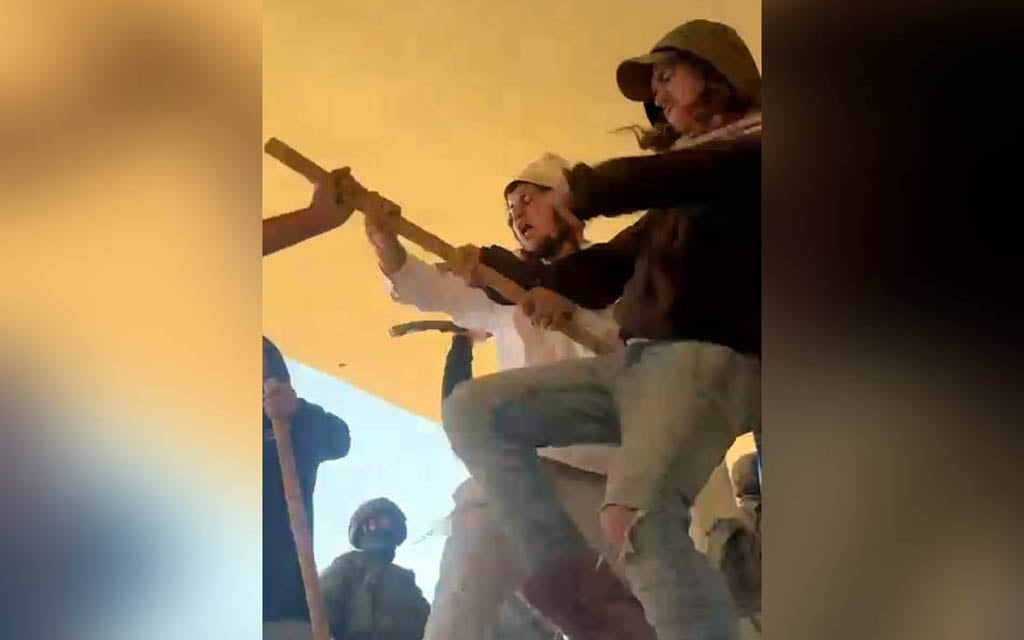
Settlers clash with Palestinians at a home in Qabalan, from which the Palestinians were later driven out, June 2026. (Courtesy)
Videos from the incident show soldiers at the scene as al-Aqra and other workers are accosted by the settlers. While troops are seen attempting to separate the sides as they scuffle, with settlers trying to strike the Palestinians with clubs, eventually the Palestinians are forced to retreat.
“When they drove us out, soldiers were there too, and the soldiers did nothing,” he said.
At the end of the incident, before al-Aqra left the property, he said he heard an officer tell one of the settlers, “You got what you asked for.”
The IDF did not respond to a Times of Israel request for comment on the incident.
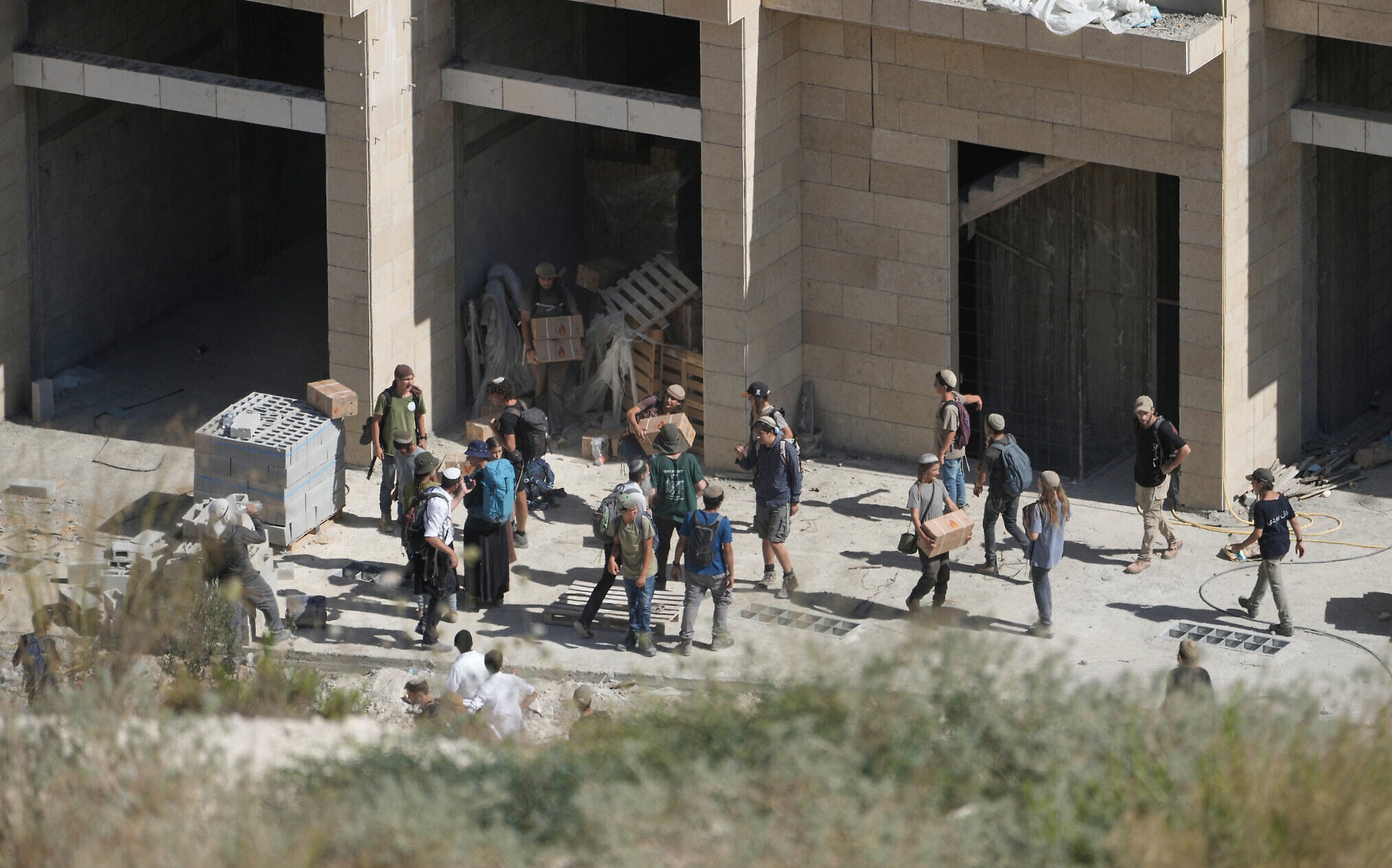
Israeli settlers carry cardboard boxes from a building under construction in the Palestinian village of Tell, in the West Bank, July 31, 2026. (AP Photo/Majdi Mohammed)
Despite al-Aqra filing a police complaint, settlers have remained at the property, he said. He can see them from a distance tending livestock they brought to the site.
The house had been a two-year project, he said. When the settlers showed up, he and his crew were installing windows and putting up cabinets.
“My children and I live in another house now in Qabalan,” he said. “I have five children, all of us in one [small] house. I wanted to build a large home for the family after so many years.”
Still holding out hope
A resident of Taybeh, near Ramallah, said settlers have prevented him from moving into a newly completed home on the far outskirts of the West Bank’s only remaining Christian village.
The resident, who asked not to be named out of concern for his safety, said he began building the house, which is located in Area A, three years ago and completed construction around six months ago. About a month ago, he arrived with furniture intending to move in. Just then, settlers came to the property and forced him and those with him to leave.
“They came into our yard while we were unloading the furniture [from the cars into the house] and told us, ‘You’re not allowed to live here. This is the land of our father Abraham,’ things like that,” he recalled. “I told him, ‘This is my house. This is Area A. Why are you coming here?’”
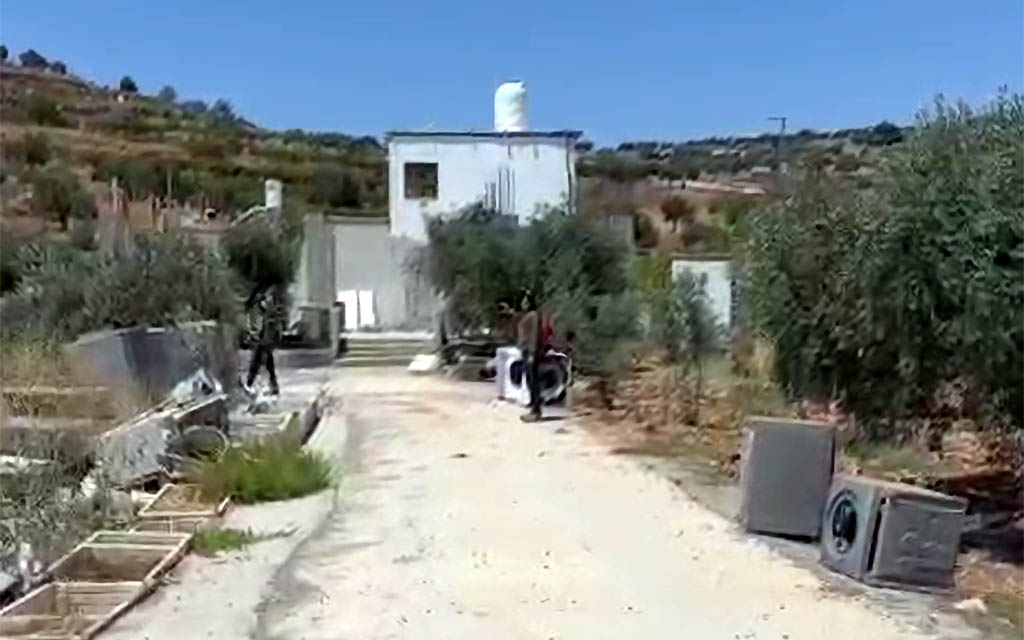
The home in Taybeh that settlers are attempting to take over, August 2026. (Roni Federman)
Since then, he told The Times of Israel, whenever he goes to the property, armed settlers arrive on an ATV and chase him away.
“They see our car arriving, they come and threaten us. We don’t want to cause problems,” he said.
Fearing that settlers could break into the house, he installed an iron gate and metal window bars at a cost of NIS 12,000 ($3,700).
According to Roni Federman, an activist with the Torat Tzedek organization, which assists and protects Palestinians, settlers have not entered the house itself but have been gathering outside it.
The owner, meanwhile, has stopped trying to approach the home, staying in an older house inside the village.
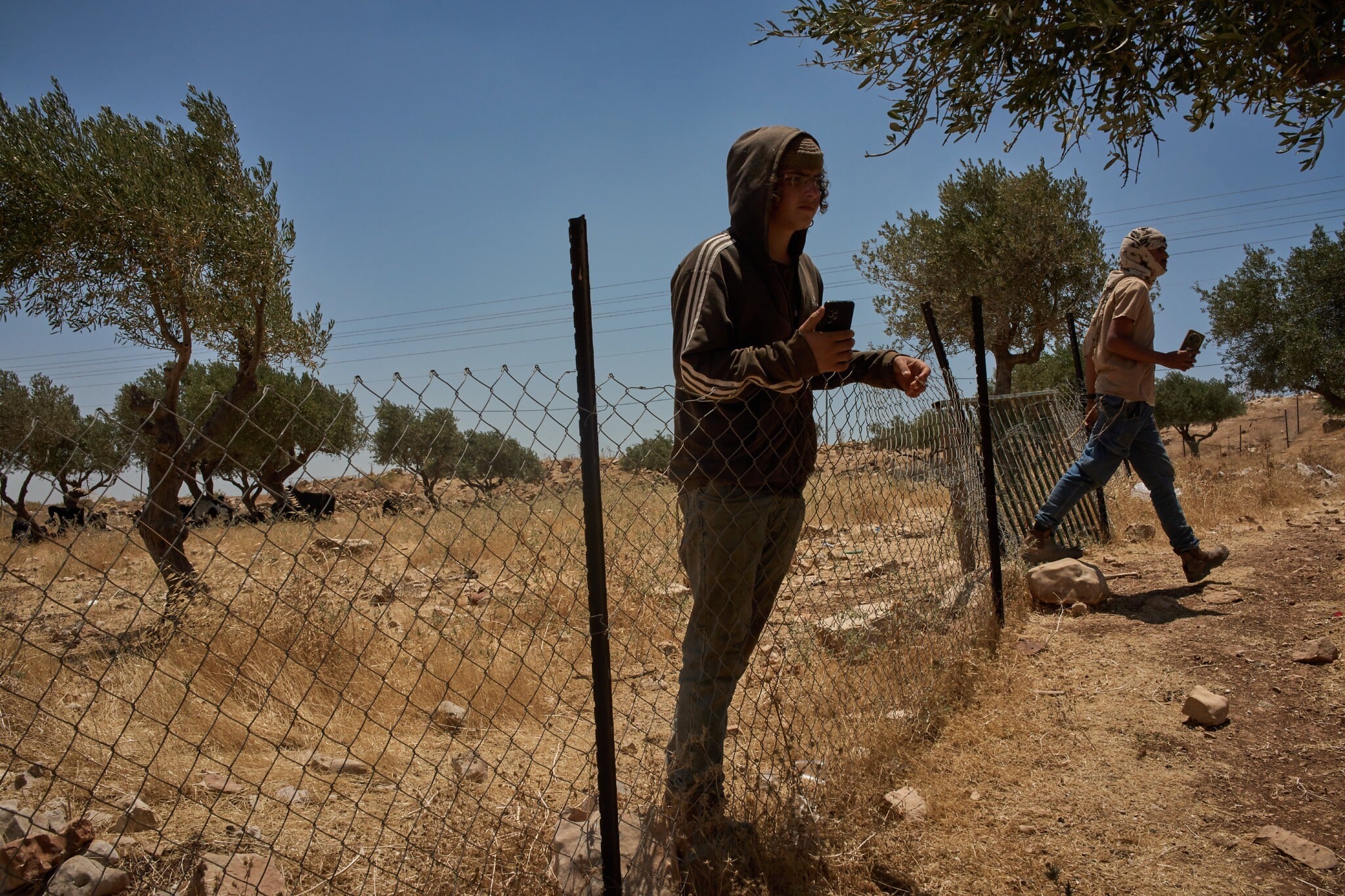
An Israeli settler steps into the courtyard of a home as another stands next to the fence, trespassing on Palestinian property on the outskirts of the West Bank town of Taybeh, June 25, 2026. (AP/Leo Correa)
On August 5, activists from Torat Tzedek went to the house at the family’s request, where they engaged in a verbal confrontation with settlers who approached the property.
In videos from the encounter, one activist can be heard telling a settler, “This is private property,” to which the settler responds, “This isn’t anyone’s private property.”
Some of the homeowners who spoke with The Times of Israel sounded despondent about the prospect of ever getting their homes back.
However, the East Jerusalem resident who petitioned the High Court said he hasn’t lost faith that he will eventually get his home back.
“I still have hope in the legal system, in the police,” he said. “I still hope that the police will do their part and do the right thing under the law.”