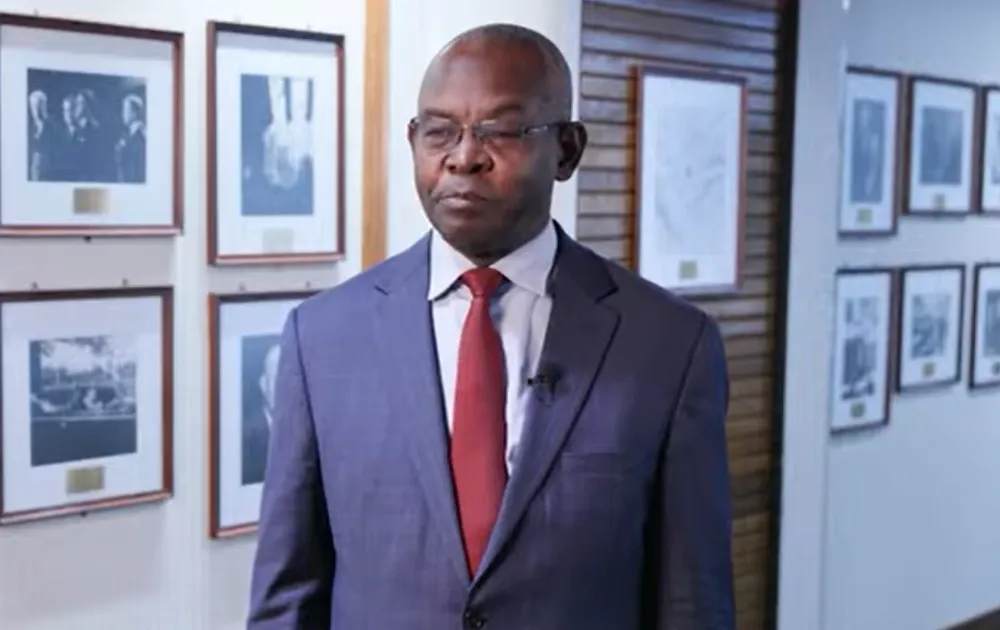
Kenya, 12 August 2026 – Kenya is preparing for a fresh round of discussions with the International Monetary Fund (IMF) as the country seeks a new Fund-supported financing programme, Central Bank of Kenya Governor Kamau Thugge has confirmed.
Thugge said on Wednesday that an IMF staff team is expected in Nairobi in the coming weeks for discussions that will include Kenya’s request for a new programme with financial support.
The talks mark another step in Kenya’s attempt to secure a successor to its previous IMF programme, a $3.6 billion arrangement that concluded in April 2025. The new programme would include lending support, although the size and terms of any new financing have not yet been agreed.
The latest development follows months of engagement between Nairobi and the Fund.
An IMF staff team visited Kenya between February 24 and March 4, 2026, to discuss economic developments and advance technical discussions on the government’s request for a new programme. The IMF said at the time that the talks were taking place in the context of Kenya’s request for a successor programme.
The Fund had also held discussions with Kenyan authorities in September and October 2025, with the IMF saying the visit was intended to assess the country’s economic situation and discuss policies that could potentially be supported through a new programme.
The renewed push for IMF financing comes as Kenya continues to face significant fiscal and external financing pressures.
A new IMF programme would potentially provide Kenya with access to additional foreign currency financing while also providing a policy framework around fiscal management, debt sustainability, revenue mobilisation and economic reforms.
For the government, such financing could provide additional room to manage its external obligations and strengthen confidence among other international lenders and investors.
However, IMF support generally comes with policy commitments and measurable targets. Kenya’s previous programme included requirements covering areas such as government revenue, the fiscal balance, international reserves, external borrowing and management of public-sector liabilities.
That means a new programme would not simply amount to Kenya receiving another cheque.
The negotiations will likely focus on what Kenya needs, what reforms it is prepared to undertake and how quickly those reforms can be implemented.
The IMF talks come against a backdrop of persistent concern over Kenya’s public debt.
The country has been seeking to strengthen domestic revenue collection while limiting the growth of expenditure and borrowing. Recent record Customs collections, for example, have provided some encouragement on the revenue side, with KRA reporting a record KSh92.53 billion collection in July.
But stronger revenue collection is occurring alongside substantial government financing needs.
This is one reason the IMF programme matters beyond the actual amount of money Kenya could receive.
An agreement with the Fund can also serve as a signal to other creditors and investors that Kenya has an agreed economic policy framework and is committed to addressing fiscal vulnerabilities.
Kenya’s search for a new IMF arrangement has been underway for some time.
In September 2025, an IMF team visited Nairobi to begin discussions on a successor programme after the earlier arrangement was terminated before all of its planned reviews were completed.
The IMF’s March 2026 mission subsequently advanced technical discussions around the new programme request.
The latest announcement therefore suggests that the process is continuing rather than representing the start of negotiations from scratch.
What remains unclear is how much Kenya is seeking and when a new programme could ultimately be approved.