
By 2030, heat stress could cut global working hours by 2.2%, equivalent to 80 million full-time jobs and US$2.4 trillion in losses.
In the UK, the week-long heatwave in late June was estimated to have cost 24 million working hours and US$1.55 billion in economic output, with particularly large reductions in working hours reported in construction and agriculture.
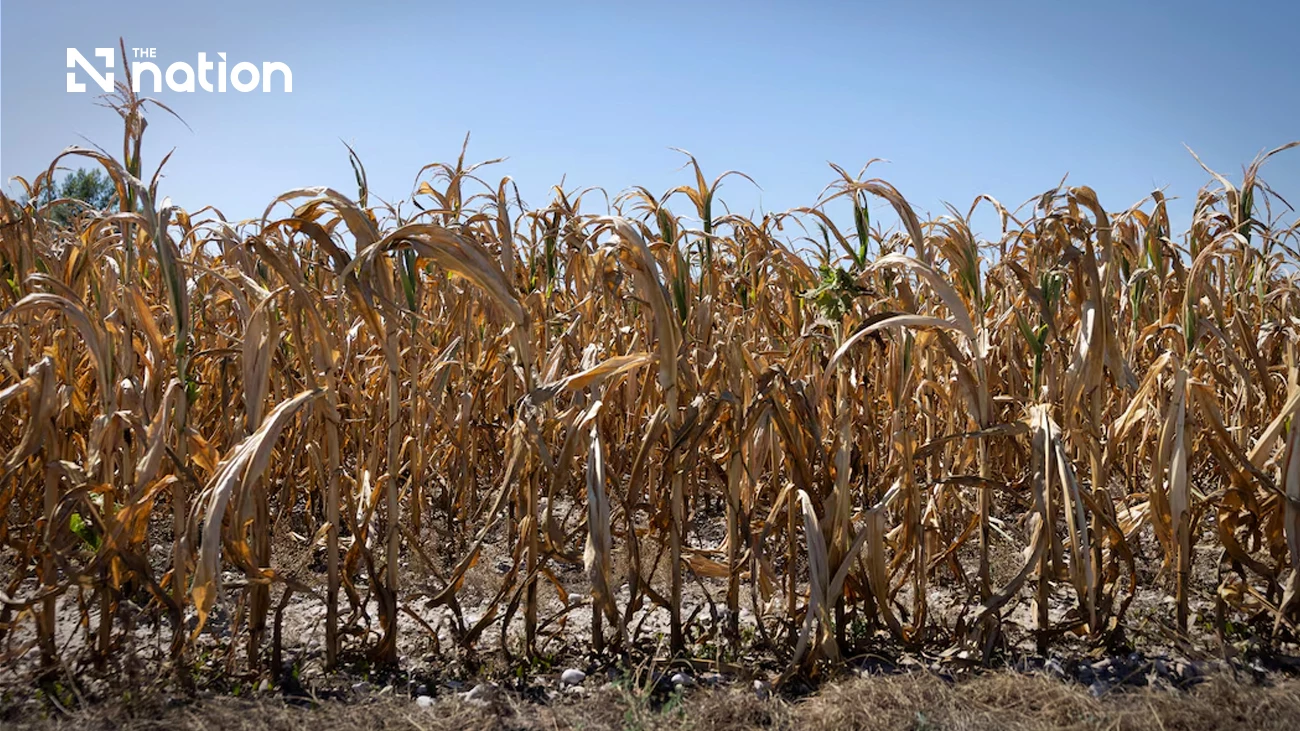
The prolonged heat has left Europe tinder-dry, fuelling wildfires in France, Spain, Portugal, Greece, the UK, Italy, Germany and the Netherlands.
More than 300,000 people have been evacuated across France and Spain.
The BBC reported that 2,500 firefighters in Gironde tackled a blaze that began on July 22, burnt more than 420 square kilometres in under four days and came within nine miles of Bordeaux.
Fires outside Madrid have burnt about 1,570 square kilometres since July 1, according to the European Forest Fire Information System.
More than 180 houses were also destroyed in Le Porge, France.
The heatwave has not ended, and further wildfires remain a threat.
French President Emmanuel Macron convened an emergency cabinet meeting, while a Gironde official told the BBC that France lacked enough firefighters to tackle blazes on this scale.
Some of Europe’s most intense fires have also generated pyrocumulonimbus clouds, or “fire clouds”, which can make them harder to control.
“Every summer reminds us that wildfire is no longer an exceptional event but an increasingly predictable consequence of a warming climate,” said Paola Deda of the United Nations forest division for Europe.
She emphasised the need for preventive measures such as sustainable forest management and building in more resilient landscapes, approaches discussed in the World Economic Forum and PwC white paper From Wildfire Risk to Resilience: The Investment Case for Action.
Prevention remains chronically underfunded compared with response, requiring business, finance, government and civil society to act together.
The World Economic Forum’s Global Wildfire Leadership Network, housed within the Forest Future Alliance, brings leaders together to catalyse collective investment in wildfire resilience, align public and private efforts and connect local initiatives with a global agenda.
Its Workforce Resilience to Extreme Heat workstream also helps businesses address the risks that rising temperatures pose to workforce health, safety and productivity.
Thailand is confronting similarly intense heat.
The Thai Meteorological Department (TMD) previously issued an official weather warning stating that the country’s summer began on February 22.
It forecast average maximum temperatures of 36–37°C across upper Thailand, with Mae Hong Son, Lampang and Tak potentially reaching 42–43°C.
The heat poses a risk of heatstroke when daytime heat-index readings reach dangerous levels.
It is also affecting agriculture, water reserves at several dams and the burden of energy costs on households and businesses.
The “searing heat” crisis is no longer remote but an urgent global issue requiring all sectors to work together to adapt and build resilience to lasting changes in the climate.
Source: The World Economic Forum