
Bank of England Takes Digital Pound to Phase 2 With Polygon Cross-Border Tests
Key Takeaways
Exporters settle in stablecoins on Polygon; UK importers settle in a simulated digital pound, testing atomic dual-currency settlement within a single trade flow.
Portable SME credit profiles are anchored onchain as verifiable smart contracts, readable by any permitted lender without a new credit assessment.
Phase 2 has concluded; the findings will feed into a go/no-go assessment by the Bank of England and HM Treasury later in 2026, before any parliamentary decision.
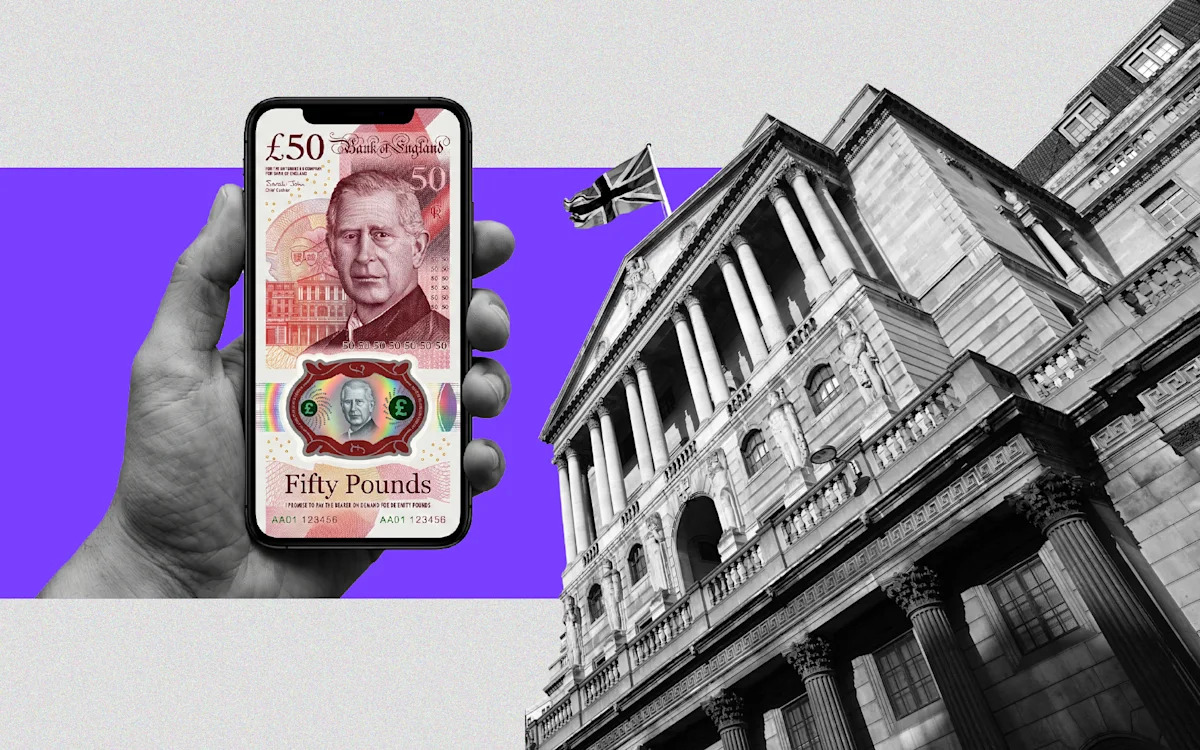
The Bank of England has selected Polygon Labs, NOBO Finance, and Dun & Bradstreet to run the next round of its Digital Pound Lab, testing how a central bank digital pound and private stablecoins could settle different parts of the same cross-border trade deal.
The consortium is one of 12 participant groups in Phase 2. No real customers or real funds are involved. The Bank has been explicit that participation does not imply a decision to issue a digital pound.
The consortium will test two connected workstreams. The first develops a reusable SME credit profile using transaction data, Dun & Bradstreet commercial intelligence, and Polygon-based smart contract infrastructure.
The second test involves invoice factoring, where exporters receive stablecoin advances while UK importers complete final settlement in digital pounds.
Polygon’s Open Money Stack manages stablecoin transactions on one leg. A simulated digital pound environment facilitates central bank-led settlement on the other.
Why the Dual-Currency Architecture Is an Interesting Argument
The experiment’s structural design embeds the most significant policy argument: the Bank of England is not testing whether a digital pound can replace stablecoins. It is testing whether a digital pound and privately issued stablecoins can settle different legs of the same transaction simultaneously.
That distinction matters enormously. The more important question may not be whether a digital pound can compete with stablecoins, but whether central bank money, private digital currencies, and commercial financial infrastructure can settle transactions across the same economic workflow. Phase 2 is answering that coexistence question in a simulated environment before it becomes a live policy decision.
On the importer’s side, final settlement flows through the Bank of England’s simulated digital pound rail. The two legs, stablecoin on one side, digital pound on the other, are coordinated through Polygon’s Open Money Stack orchestration layer. If that coordination works cleanly in simulation, it removes one of the central objections to digital pound adoption, namely that a CBDC and private stablecoins would compete for the same role rather than complement each other in a tiered system.
Story Continues