
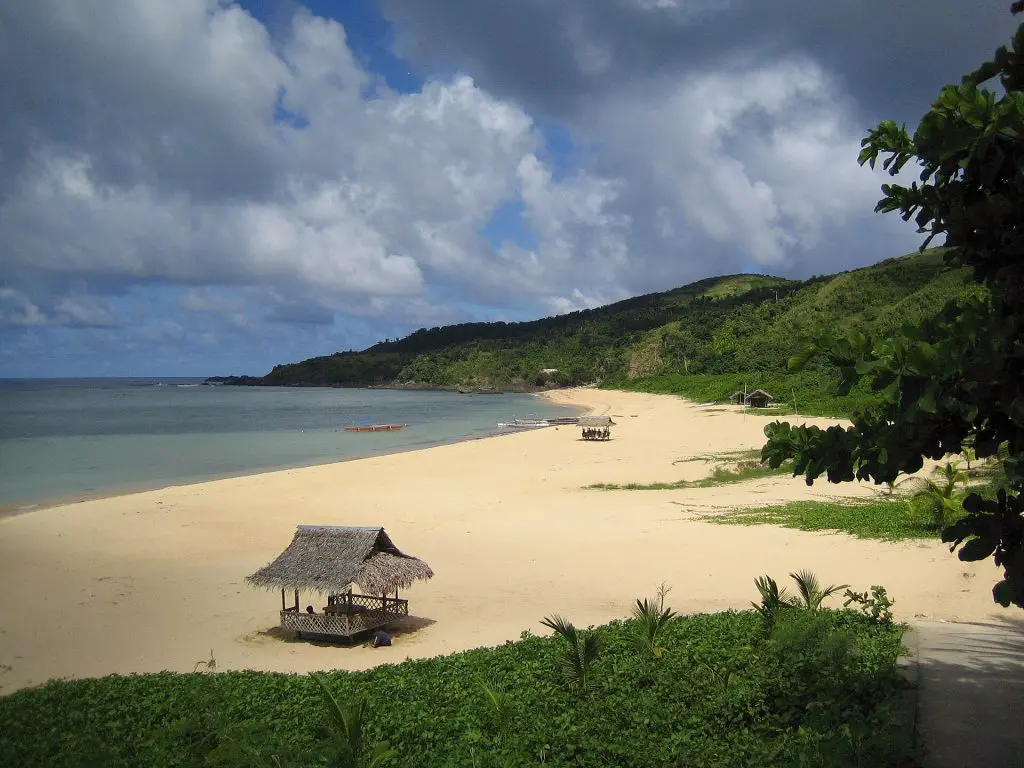
Puraran Beach on Catanduanes Island in the Philippines. Plans are underway to lay submarine power cables to neighbouring island Luzon for stable electricity. Image: Flickr
Key Points
Extreme heat and El Niño conditions threaten Southeast Asia’s fossil fuel and nuclear plants far more than wind and solar generation, which remain virtually unaffected.
Solar and wind energy systems recover significantly faster from natural disasters than coal plants, which can take up to a decade to rebuild.
Heavy reliance on fossil fuel infrastructure leaves the Association of Southeast Asian Nations (Asean) region vulnerable to blackouts, severe casualties and fuel distribution supply chain failures during disasters.
Transitioning to renewable energy, scaling battery storage and expanding grid interconnections are critical safeguards for regional power resilience.
Energy thinktank Ember recommends integrating grid flexibility mechanisms and power planning directly into Asean’s regional disaster management frameworks.
As Southeast Asia braces for drier and hotter conditions brought about by El Niño, a new report finds that extreme warming is set to hit fossil fuel plants harder than wind and solar generation.
According to energy thinktank Ember, the region’s wind and solar output is set to change by less than 1% even under the most extreme 2030 scenarios, compared to the up to 4% variation in generation that thermal and nuclear plants may face under milder warming.

Apart from chronic climate stress, the report identifies sudden disasters as another key threat to the region’s generation and transmission infrastructure. It argues that solar, wind and battery storage, paired with stronger grid interconnection, can isolate damage and recover faster than fossil fuel plants when disaster strikes.
Solar, for instance, can still operate during floods, droughts and earthquakes, as long as the support system is properly installed, says the report. While it is not immune to tropical cyclones, which can also damage electricity distribution networks, solar can be rebuilt within three years – compared to up to 10 years for coal plants – and used while damaged sections undergo restoration.
In contrast, coal and gas infrastructure are more susceptible to damage during earthquakes, typhoons, floods and volcanic eruptions. The failure of these plants also leads to severe casualties, especially when the supporting fuel distribution networks are crippled, such as in the wake of Aceh’s floods, where electricity recovery was postponed as generation plants could not receive the fuel supplies required to operate.
Around 64% of Asean’s installed power capacity still comes from fossil fuels, leaving them exposed to disruption in one of the most disaster-prone regions in the world, Ember’s analysis finds.
“Asean has witnessed a sweeping account of natural disasters. Power system resilience is central to a supportive ecosystem to unlock the potential of the green economy,” said Dinita Setyawati, senior energy analyst, Asia at Ember.
“Expanding renewable energy and strengthening grids are not technical afterthoughts. They are essential ideas that deserve a place at the centre of policymaking and decision-making across Asean.”
Climate-proofing Southeast Asia’s transition
The Philippines, which consistently ranks among the world’s most climate-vulnerable nations, is currently scaling grid interconnections to mitigate energy disruptions amid rising physical climate risks.
The typhoon-prone Catanduanes province, which often experiences blackouts due to its isolated, diesel-dependent grid, will soon have an interconnection to Luzon, which is projected to supply up to 22% of the island’s electricity demand by 2030 to support quicker emergency recoveries.
“As we confront intensifying climate and system risks across Southeast Asia, strengthening power system resilience must be at the core of Asean’s energy transition,” said Felix William B. Fuentebella, undersecretary of the Department of Energy in the Philippines.
“Scaling investments in renewables, storage and grid interconnection are not only pathways to decarbonisation, but essential safeguards against disruption, an approach already evident in the Philippines, from Catanduanes to the Palumbanes Islands.”
In Indonesia, as many as 67 coal plants with a total capacity of 8.9 gigawatts (GW) operate in earthquake-prone areas. Despite an earthquake disabling a 30-megawatt (MW) Panau coal facility in Central Sulawesi in 2018, the province still plans to add 2.25 GW of coal capacity by 2030.
Ember’s analysis, however, suggests that deploying 600 MW of solar paired with 720 MWh of battery storage could offset 250 MW of existing and planned coal capacity, while providing faster deployment and recovery post-disaster.
For Vietnam, while flood-prone provinces like Gia Lai and Ninh Thuan have ramped up renewable capacity to enhance local supply resilience, Ember finds that solar curtailment in 2020 incurred some US$26m in losses due to limited grid flexibility and storage capacity.
The report suggests upgrading transmission infrastructure, alongside smart grids and battery storage, for the country to capture more of its solar potential while strengthening the grid’s ability to recover from disruption. It also recommends increasing grid flexibility through demand-side mechanisms, such as priority-based load shedding, rescheduling power generation according to price signals and regulating voltage.
The report also calls for energy planning to be “explicitly embedded” into regional disaster management frameworks, such as the Asean Agreement on Disaster Management and Emergency Response.
“By showing how renewable energy integration, storage, grid interconnection, and diversified energy supply can reduce exposure to fossil fuel disruption, hydropower variability and climate-driven shocks, the report offers practical guidance for building power systems that can withstand worsening extremes,” said Brian Eyler, Southeast Asia programme director at Stimson Centre.
“As El Niño and broader climate risks intensify across Southeast Asia, the report provides an important roadmap for Asean governments to strengthen preparedness, protect energy security and accelerate a more resilient clean energy future.”
This page was last updated August 21, 2026
Written by

Gabrielle See is an award-winning journalist based in Singapore who has written for Green Central Banking since 2025. She has covered the intersections of finance, geopolitics and energy transition in Asia over the past five years for regional and international publications, including CNBC, Eco-Business, Southeast Asia Globe and the Business Times.