So far in 2026, many of Pope Leo’s bishop appointmentshare one important trait: they are LGBTQ-friendly, or have shown openness to LGBTQ ministry. Christopher Hale details the appointments and his opinion on them on his Substack, The Letters from Leo.
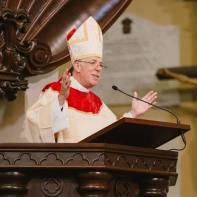
Archbishop James Checchio
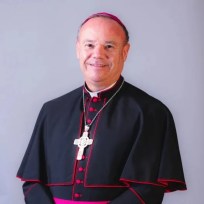
Bishop Ramon Bejarano
When Archbishop Gregory Aymond of New Orleans resigned in February. Pope Leo chose Archbishop James Checchio to take over the historic archdiocese in Louisiana. When Checcio was the head of the Metuchen Diocese in New Jersey, he prioritized outreach to LGBTQ Catholics. Metuchen parishioners remember him “lingering at an LGBT ministry gathering after the Pulse nightclub massacre in 2016,” staying and talking to every person present.
In February, Bishop Ramon Bejarano was installed as bishop of Monterrey, California, having been appointed by Leo in December 2025. As Auxiliary Bishop in San Diego diocese, Bishop Bejeranto was supportive of the diocesan LGBTQ+ ministry.
In July, Leo appointed Fr. Thomas Hennen, a priest who has a “decade of LGBT ministry” a bishop to become Bishop of Baker, Oregon.
The story is the same in Germany. In July Leo appointed Freiburg’s Auxiliary Bishop Christian Wurtz to lead the Bavarian diocese of Eichstatt, which Hale notes many observers regard as a “bellwether for the church’s direction.” Wurtz has supported the German Synodal Way’s resolutions favoring blessings for same-sex couples and a fresh look at women’s ordination.
These appointments are far from the only positive sign for LGBTQ Catholics. Shortly after his pontificate began, 1200 LGBT Catholics made a very public Jubilee Year pilgrimage through St. Peter’s Holy Door without any negative comment or opposition from the pope.

Bishop Thomas Hennen

Bishop Christian Wurtz
Though the appointments themselves are impactful, Hale asserts that they will have downstream effects as well, when dioceses around the world hold “evaluation assemblies” in early 2027, part of “The Path of Implementation” roadmap the Vatican’s Synod office released in May. These assemblies will address a variety of issues facing the church today, and if the previous consultations are any indication, LGBTQ+ issues will be front and center.. In the latter half of 2027, national and regional assemblies will follow. In early 2028, the continents will gather. The assemblies will culminate in Rome in October 2028 where Leo himself will preside over an Ecclesial Assembly.
Hale describes the effect Pope Leo’s appointments will have on this assembly:
“Rome decides its great questions in assemblies and documents, but it decides much earlier (sometimes years earlier) who will be in the room when the questions get asked. By seating. . . bishops who stood with grieving gay Catholics when it cost something to do so, Leo is choosing the witnesses whose testimony the Church will weigh.”
The Gospel bears out Leo’s decisions. Jesus, too, “built his movement from people the religious establishment of his day had written off.” By filling the Church’s highest seats with clergy who are friendly to minorities and LGBTQ Catholics, Leo is working “squarely inside that tradition.”
—Lynnzee Dick, New Ways Ministry, August 24, 2026