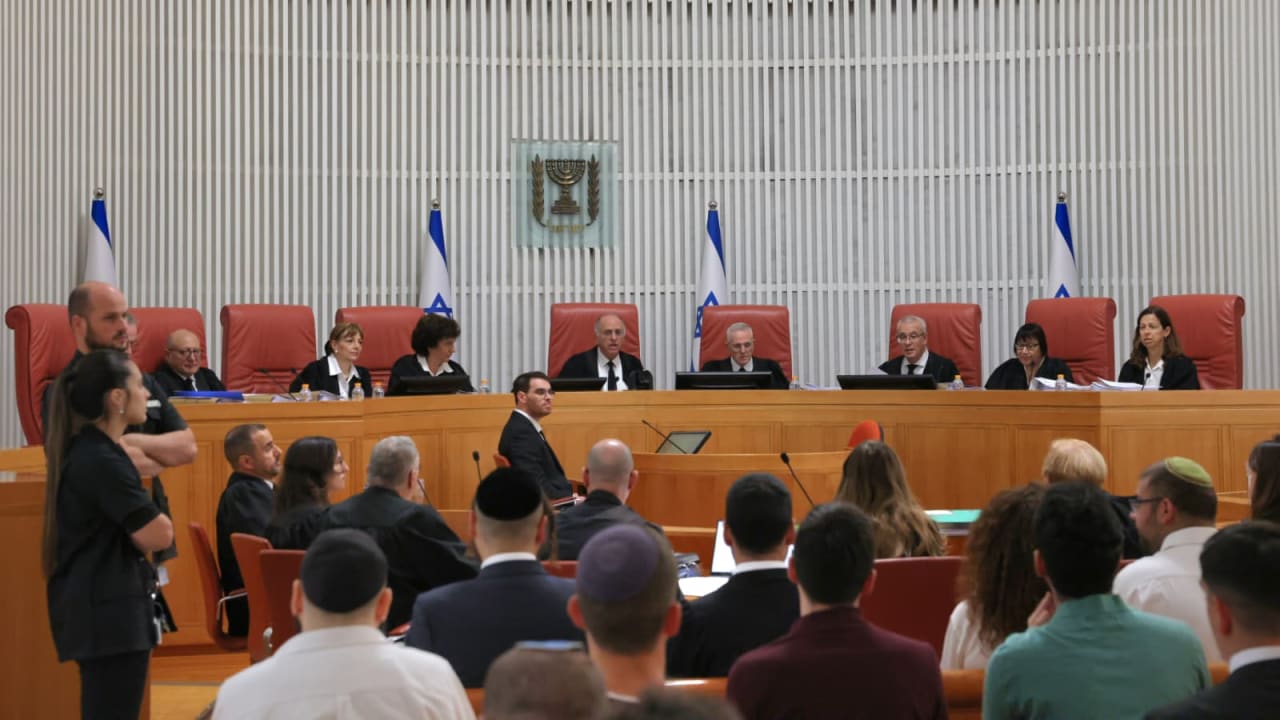
The High Court on Monday froze NIS 409 million in coalition transfers approved by the Knesset Finance Committee during the election recess, while lifting its earlier freeze on the other disputed funds, including for urgent education and recovery.
The court also issued a conditional order requiring the Finance Committee chairman, Knesset speaker, and Finance Ministry to explain why the coalition transfers approved at the committee’s August 4 meeting should not be canceled altogether.
The decision was issued by justices David Mintz, Khaled Kabub, and Ruth Ronnen. It keeps frozen NIS 270m. and another NIS 16m. in Education Ministry transfers, along with NIS 117m. and another NIS 6m. in transfers to the National Missions Ministry.
Together, the four transfers amount to NIS 409m. They will remain blocked until the court rules on the petition.
High Court narrows freeze to coalition transfers
The Knesset pushed back on Monday, arguing that the petitioners’ willingness to distinguish between urgent and other funding undermines their original claim that the August 4 Finance Committee meeting, at which the transfers were approved, was unlawful. It again asked the court to dismiss the petition and lift the freeze altogether.
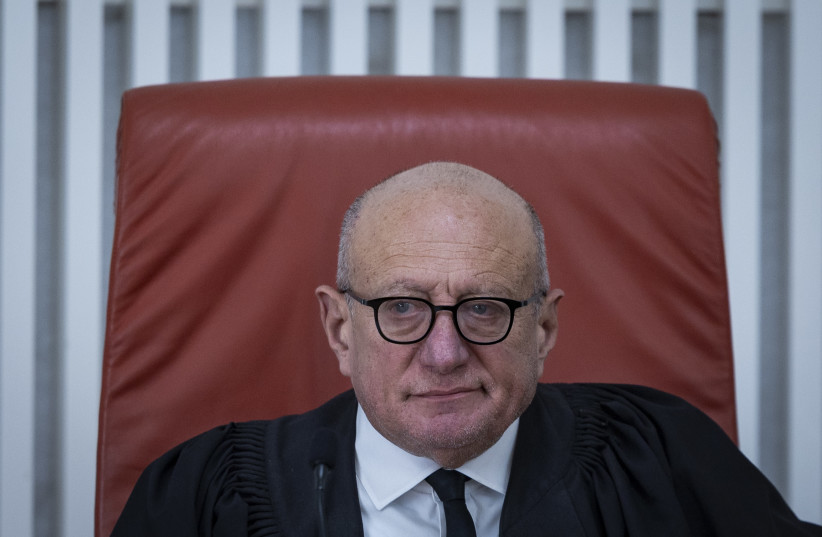
Monday’s decision instead narrows the freeze to the coalition funds specifically identified by the court. The temporary order imposed on the remaining transfers on August 5 was lifted.
Civil emergency expenditures were excluded when Justice Alex Stein first froze the transfers on August 5, and on Friday the High Court separately released the full NIS 78m. transfer for the Religious Services Ministry. The other funding covered by the petition can now proceed unless it falls within the NIS 40m. specifically frozen by Monday’s order.
The decision largely produces the narrower arrangement that the petitioners had asked the court to impose on Sunday: allowing urgent and non-coalition spending to proceed while keeping the disputed coalition funding blocked.
Among the funding they had asked the court to release were parts of a National Missions Ministry transfer intended for recovery and development programs in the North and South, including Western Negev rehabilitation, support for communities near threatened borders, and development and rehabilitation programs in Beersheba, Ashkelon, and elsewhere.
They also sought the release of most of a separate Education Ministry transfer, including payments to the ministry’s headquarters and reimbursements to local authorities for expenses they have already incurred running the “Schools of the Great Vacation” summer program.
Concerns over those payments predate the latest filing: the Federation of Local Authorities previously warned the court that the freeze could leave municipalities carrying costs they had already incurred and could affect payments to workers.
Those portions are no longer covered by the temporary freeze following Monday’s decision.
At the same time, the petitioners had asked for coalition-linked portions of the Education Ministry and National Missions Ministry transfers to remain frozen, including NIS 16.49m. within the education transfer and tens of millions of shekels in coalition funding allocated through the National Missions Ministry.
The court’s new order now keeps the specified coalition transfers blocked while the case proceeds.
Petitioners sought release of urgent, non-coalition funding
The distinction had put the petitioners in the unusual position of asking the court to release some of the very transfers they originally succeeded in freezing.
That follows a back-and-forth that began at last Tuesday’s hearing, when the Finance Ministry asked to submit a list of urgent transfers that it believed should be excluded from the interim order. The petitioners said they would not oppose releasing funding that genuinely met the urgency threshold, and the court instructed the ministry to submit a list.
Finance Minister Bezalel Smotrich then opposed splitting the budget requests and asked the court to treat them as a single package, arguing that the underlying legal question was the same for all of them. The High Court declined to lift the freeze wholesale and instead ultimately released only the Religious Services Ministry transfer after receiving additional information on the pressure facing the ministry.
In their latest filing, Hiddush and Lazimi went further, alleging that Smotrich prevented the Finance Ministry from submitting the professional list of urgent transfers it had asked permission to prepare. They said they were therefore attempting themselves, based on the information available to them, to identify funding whose urgency was clear.
They acknowledged that they do not have all of the information available to the Finance Ministry and that their list may therefore be imperfect.
Knesset challenges legal basis of funding dispute
The Knesset rejected that distinction on Monday.
It argued that the parliamentary rule at the center of the case requires a “special case” for a committee to convene during the recess, but that a special case does not necessarily have to be urgent. Payments to suppliers and employees, it said, have previously been treated as special cases even when coalition funding was involved.
The Knesset also argued that the Finance Ministry has traditionally taken the position that the Finance Committee cannot break a single budget request into pieces and approve only selected components.
If the petitioners themselves now accept that some of the transfers approved on August 4 can proceed, the Knesset argued, that weakens their claim that Knesset Speaker Amir Ohana lacked authority to permit the committee meeting in the first place.
Monday’s conditional order means the respondents must now formally justify why the NIS 409m. in coalition transfers should not be canceled, but the court has not yet determined whether the August 4 meeting itself was unlawful.
That remains the larger legal question before the court.
Hiddush and Lazimi argue that the Finance Committee was unlawfully convened during the election recess after the coalition-opposition Agreements Committee did not approve another meeting. The Knesset maintains that Ohana independently had authority to permit the meeting in a “special case,” and has pointed to similar decisions by previous Knesset speakers. The Finance Ministry has separately maintained that the transfers implement government decisions made before the election period and meet the restraint required of a government ahead of an election.
NIS 409 million to remain frozen as case proceeds
The petitioners welcomed Monday’s ruling. Hiddush legal adviser Yifat Sollel, who represents them, said the decision allowed necessary funding to proceed while keeping the disputed coalition transfers frozen. Lazimi similarly said the ruling had released funding on which the sides agreed while requiring the state and Knesset to answer the challenge to the remaining transfers.
The respondents must submit their response affidavits by September 10. Until the case is decided, the NIS 409m. identified in Monday’s order will remain frozen, while the earlier temporary freeze on the other disputed transfers has been lifted.
The court added that if the respondents believe any of the funds that remain frozen must be transferred urgently, they may return to the court and make that case.