
Adut Atem had picked up her children from school and was stopped at a red light when she was confronted by an aggressive driver in a terrifying road rage encounter.
The man got out of his car and tipped a cup of coffee on her windscreen before yelling racist abuse.
She chose not to report the incident, which took place a few weeks ago in Canberra’s inner north, but the experience left her shaken.
“How do you feel safe if somebody out of nowhere is attacking you aggressively, racially, and you don’t even know who they are?” Ms Atem said.

Adut Atem says she has mostly found Canberra to be a welcoming community. (ABC News: Lily Nothling)
The mother and NDIS business owner moved to Australia’s capital in 2002 as a 17-year-old Sudanese refugee.
While she has experienced many racist interactions in the years that have followed, Ms Atem said Canberra was, in general, a welcoming place.
But she now fears rising anti-immigration sentiment is emboldening hostile attitudes towards multicultural communities.
Sliding support for multiculturalism
The 2026 Lowy Institute Poll recorded the largest ever decline in support for cultural diversity in Australia.
Twenty per cent of respondents said cultural diversity was “mostly negative” for the country and six per cent said it was “entirely negative”.
What do you want to tell us? Have Your Say
“With the pressure for living, it puts people in a position whereby people think that the migrants are the ones who are making us suffer, and that is not really correct,” Ms Atem said.
One Nation leader Pauline Hanson has led calls for a “monoculture”, declaring in her June National Press Club address that Australia could not be a multicultural society.
Recent polling by Redbridge Group showed more Australians preferred Pauline Hanson’s stance on immigration than that of both major parties.

Pauline Hanson has spoken about her belief that Australia should be a “monoculture”. (ABC News: Adam Kennedy)
It has been a cause of growing alarm for Arif Haque, the chair of the Canberra Multicultural Community Forum, which represents more than 100 ethnic community organisations in the ACT.
Loading…
“The following morning, somebody on the bus is abused, you know, ‘why don’t you go to where you came from?'”
Mr Haque said he recently experienced a racist encounter at a Canberra shopping centre “for the first time in 30 years”.
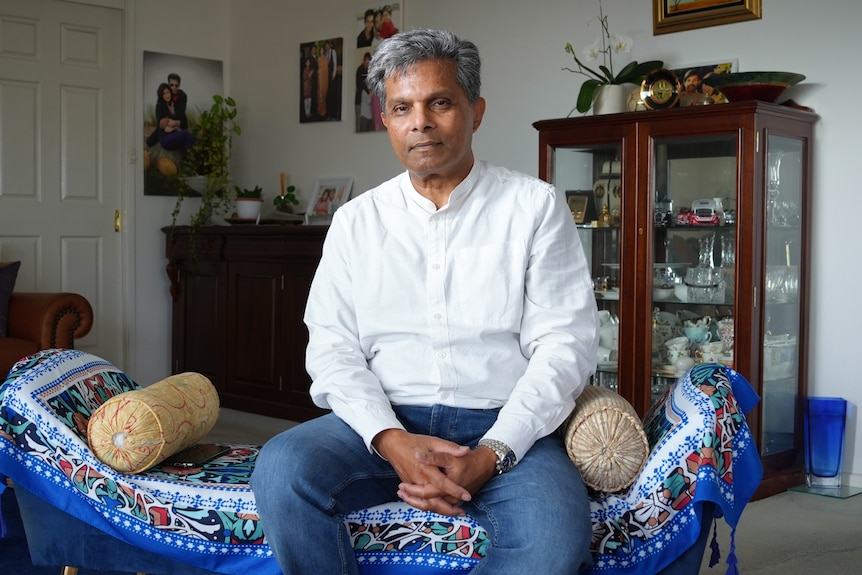
Arif Haque says the words of politicians can have immediate effect. (ABC News: Lily Nothling)
He said anti-immigration and “monoculture” rhetoric was embedding fear within multicultural communities, who had become scapegoats for a country grappling with housing and economic challenges.
“The effect on the community is going to be devastating,” Mr Haque said.
He feels deeply let down by what he perceives as a failure by other political leaders to call it out.

Arif Haque is the chair of the Canberra Multicultural Community Forum and is worried about a trend of resistance to multiculturalism in the country. (ABC News: Lily Nothling)
“By being quiet, you’re actually giving permission for those people to go and attack,” he said.
‘White Australia policy in disguise’
Sam Wong arrived in Australia from Hong Kong as a student in the 1970s, on the tail end of the White Australia policy.
He became a decades-long multiculturalism advocate, helped set up the National Multicultural Festival, and is the patron of the ACT Chinese Australian Association.

Sam Wong is troubled by the discourse around multiculturalism. (ABC News: Lily Nothling)
Mr Wong said the monoculture debate was damaging.
“I feel even embarrassed to talk about it because it is a White Australia policy coming back in disguise,” he said.
While Mr Wong believes multiculturalism had been largely positively promoted and practiced in the ACT, he said it did not insulate the territory from racism.
He cited a racially motivated attack near Lake Ginninderra in Belconnen in April, which left a Chinese woman in hospital.

Sam Wong says the current debate reminds him of conversations around the White Australia Policy. (ABC News: Lily Nothling)
Mr Wong said the current political climate underscored the need for more diverse representation in politics.
“We don’t have a very strong voice in parliament,” he said.
‘A beacon to the rest of Australia’
As immigration gains traction as an election issue, the federal government is yet to finalise its policy.
Home Affairs Minister Tony Burke postponed a speech at the National Press Club earlier this month where he was expected to unveil sweeping cuts to migration.
Canberra migration agent and human rights advocate Marion Le said the government was at a crossroads.
“I think that we are doing so much fearmongering that we are keeping out of this country people we really so badly need, qualified people to come here and assist with the growth of this country,” she said.
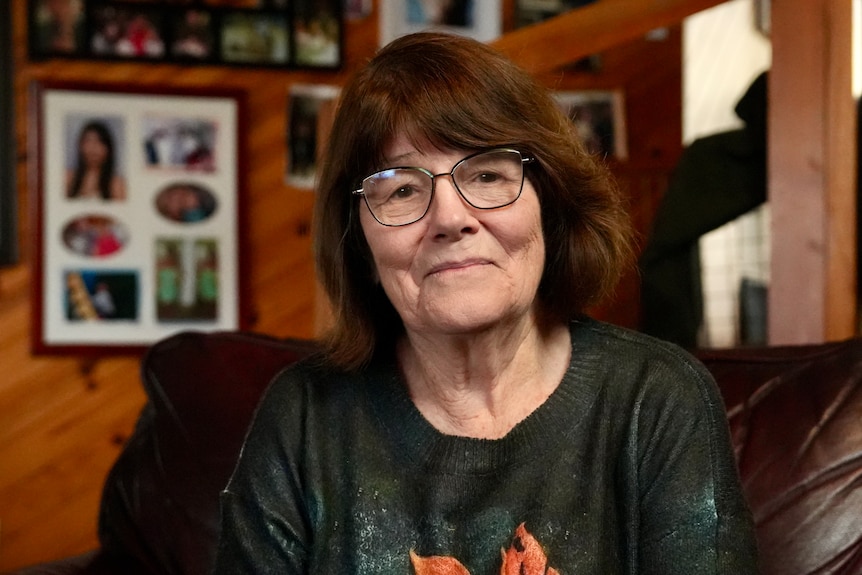
Migration agent Marion Le says fearmongering around immigration is harming Australia. (ABC News: Stuart Carnegie)
Ms Le said she was optimistic anti-multicultural attitudes would not seep into the ACT community.
“The Australia that’s portrayed by Pauline Hanson and others, I don’t believe Australia is like that at all.”