A record number of asylum seeker appeals are waiting to be heard.
New figures show 87,450 asylum appeals were in the UK court system at the end of March, the highest number on record and a 72 per cent increase from 50,976 a year earlier.
The backlog comes despite significant progress in reducing the number of people waiting for an initial decision on their asylum claim, and a sharp fall in the use of hotels to house asylum seekers.
Home Office statistics published this week show the number of people awaiting an initial decision on an asylum application fell to 40,168 at the end of June, down 56 per cent from 90,812 a year earlier and the lowest level since March 2019.
The Government has credited faster decision-making for helping bring down the overall number of asylum seekers receiving support.
A total of 93,293 people were receiving Government support at the end of June, down 12 per cent from 106,075 a year earlier.
Of those, 89,089 were being provided with accommodation while their claims were processed.
The figures also show a major reduction in the use of hotels.
Some 16,021 asylum seekers were housed in hotels at the end of June, down 50 per cent from 32,041 a year earlier.
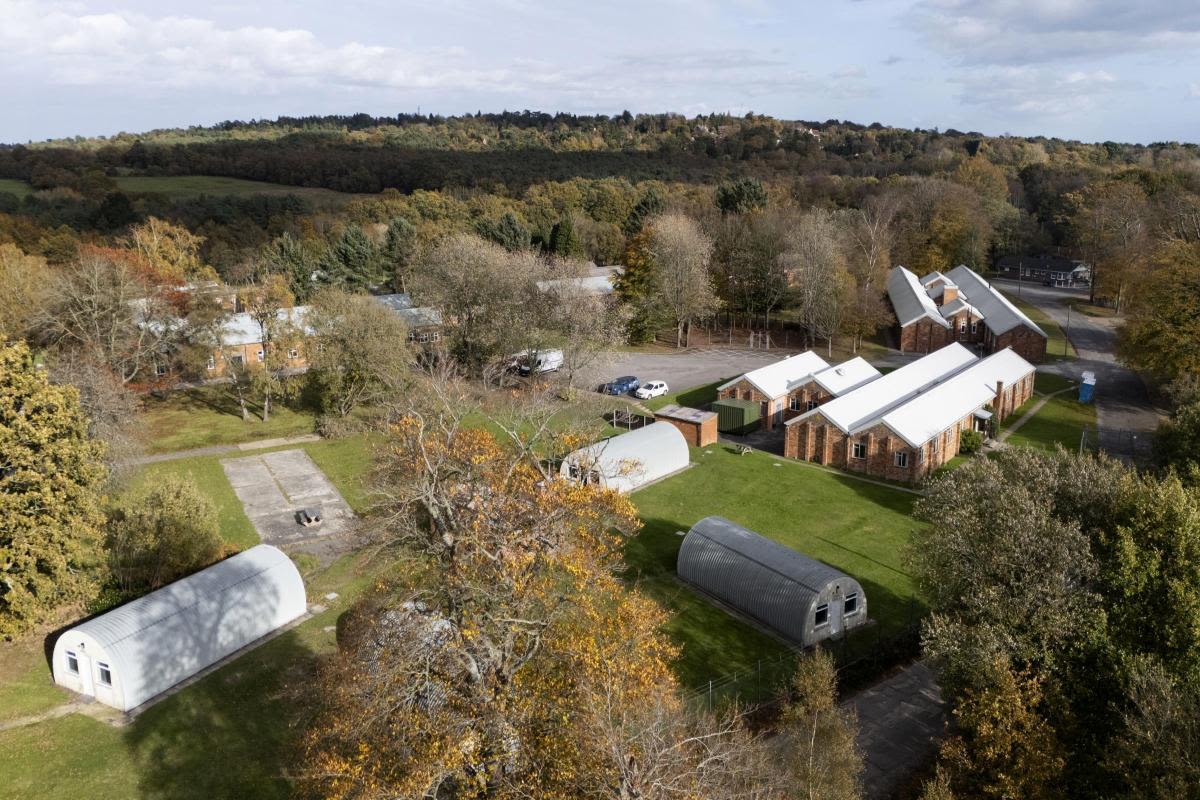
Crowborough military barracks are being used to house asylum seekers (Image: Eddie Mitchell)
Dr Nuni Jorgensen, of the Migration Observatory at the University of Oxford, said ministers had succeeded in reducing the backlog of initial asylum decisions but now faced a growing challenge elsewhere in the system.
She said: “In its first two years in office, the Government has made some progress on its pledge to close asylum hotels.
“It has done so by primarily making asylum decisions faster.
“The initial backlog is now actually relatively low, and most decisions take a few months.
“The biggest remaining challenge for the Government is now the backlog in the courts.”
The average waiting time for an asylum appeal to be completed has risen to 67 weeks, up from 54 weeks a year earlier.
While the Government has pledged to end the use of asylum hotels by the end of this Parliament, other forms of accommodation continue to be used across the country.
Among them is Crowborough Training Camp in East Sussex, a former military site which began accommodating asylum seekers in January 2026.
The Home Office says the site forms part of its strategy to reduce reliance on hotels and is being expanded gradually towards a capacity of 540 residents.
There have been regular protests in Crowborough about the use of the barracks (Image: Eddie Mitchell)
The camp houses single adult male asylum seekers and is intended to remain in use until 2030, subject to planning permission.
The plans have proved controversial locally, prompting protests and opposition from Wealden District Council, as well as legal challenges from campaign groups.
Read more
Legendary vineyard goes on sale for £4m following death of English wine ‘pioneer’
‘Best Greene King pub in the UK’ set for refresh
Plan to turn social club into Islamic learning centre sparks strong reaction
The latest figures suggest that while asylum seekers are moving through the initial stages of the system more quickly, increasing numbers of unsuccessful applicants are challenging decisions through the courts, contributing to a record appeals backlog.
Asylum seekers who cannot support themselves financially are entitled to accommodation and basic support while their claims are considered.
Those granted asylum are given refugee status and must leave their asylum accommodation, seeking housing assistance from local authorities if needed.