
The Vatican announced the construction of an agrivoltaic plant on the grounds of Santa Maria di Galeria, on the outskirts of Rome. With an investment of 100 million euros, the facility will combine solar panels and agricultural crops, with an estimated capacity of 80 to 90 MW, making it one of the largest in Italy.
The goal is to cover the electricity needs of Vatican City and move towards energy self-sufficiency within 18 to 24 months.
Technical Features
Surface: 200 hectares of mobile solar panels, about half of the estate.
Agrivoltaic: crops under the panels, protected from evaporation and extreme phenomena.
Energy Destinations: Vatican Radio, Vatican City, Bambino Gesù Hospital, and in case of surplus, the Italian grid.
Agricultural Impact: the shade of the panels reduces evaporation and protects crops from extreme weather events.
Background and Agreements
The project originates from an initiative promoted by Pope Francis in 2024, later supported by Leo XIV. In July 2025, Italy and the Holy See signed the agreement establishing the legal framework, in force since May 2026. Additionally, in June, a protocol was signed with the Italian energy company ACEA to advance its development.
The commitment to solar energy is not new: in 2008, during the pontificate of Benedict XVI, 2,400 photovoltaic panels were installed in the Paul VI Hall, used for papal audiences.
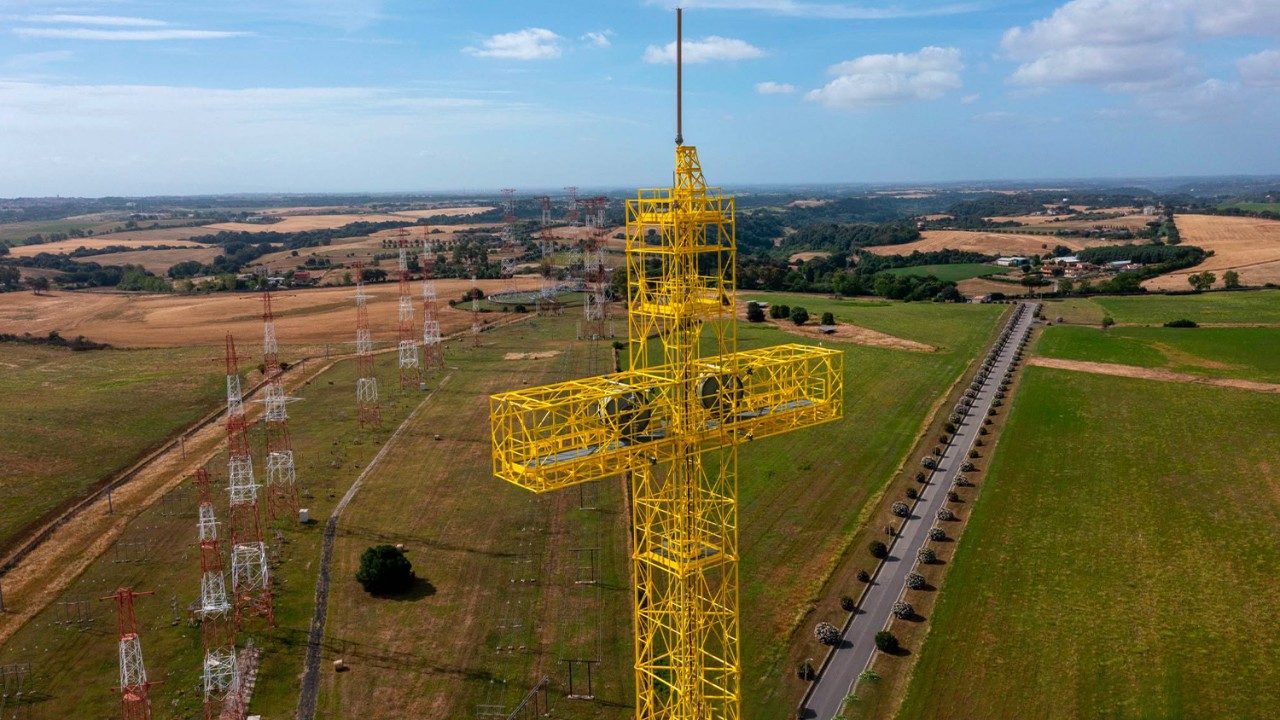 The new agrivoltaic plant in the Vatican seeks energy self-sufficiency with 80 to 90 MW of power.
Reasons for Its Importance
1. Moral Leadership
Consistency with the encyclical Laudato si’ on caring for the “common home.”
Inspiration for more than 1.3 billion Catholics and governments in the energy transition.
Strengthening the Vatican’s moral authority in global climate debates.
2. Preservation of Heritage
Fewer local emissions that damage monuments and works of art.
Example of aesthetic integration between modern technology and ancient architecture.
3. Energy Independence
Reduction of dependence on the Italian grid and fossil fuels.
Resilience to external crises for critical services such as communications, security, and secret archives.
4. Economic Sustainability
Long-term savings on operating costs.
Funds freed up for charity work and missions.
Global Projection
The Vatican’s agrivoltaic project not only seeks energy self-sufficiency but also sends a message to the world: the transition to clean energy is possible even in small territories with delicate historical heritage.
The initiative becomes a replicable example for other states and religious communities, reinforcing the idea that sustainability can be integrated into any context.
The Santa Maria di Galeria plant represents a decisive step towards the Vatican’s climate neutrality. Beyond its energy impact, it reinforces its role as a moral and practical reference in the fight against climate change, demonstrating that faith and innovation can walk together towards a sustainable future.