
Assaults after mass crossing
Rojas told the BBC that migrant girls were “particularly vulnerable because of their irregular status in the territory,” and she said the number of sexual assaults rose sharply after the influx while some victims did not contact law enforcement due to fear or their current situation in the city.
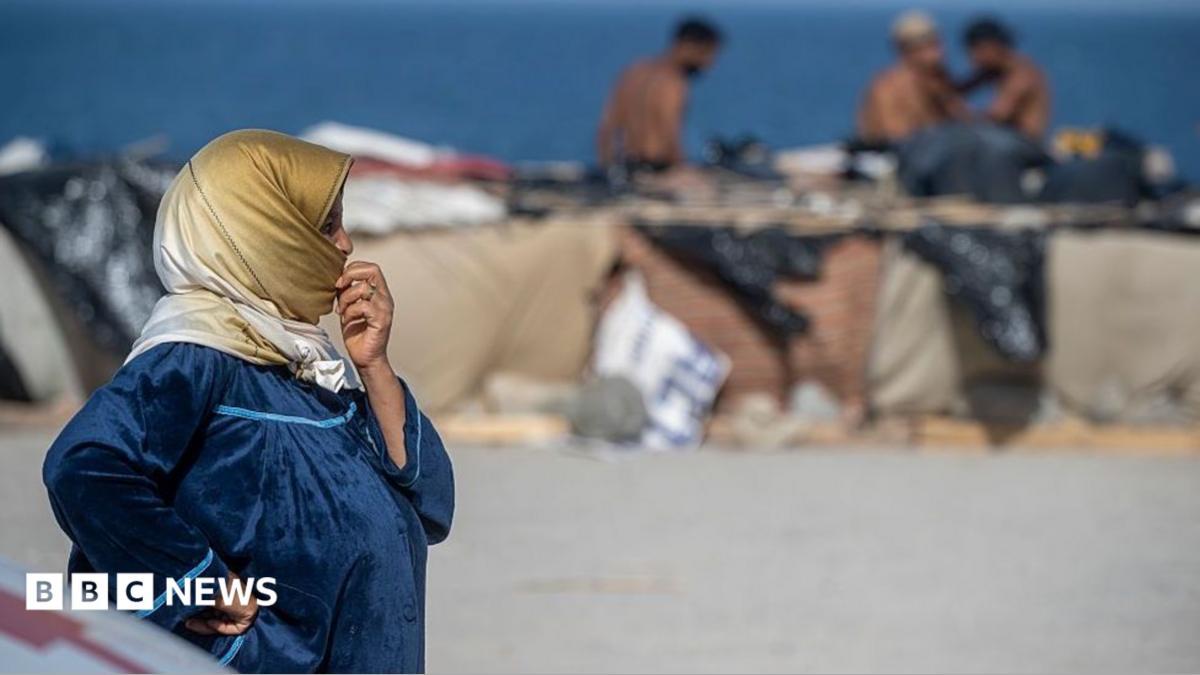
The BBC reported that at least 72,000 migrants crossed from Morocco into the Spanish enclave of Ceuta on 30 and 31 July, and that although most returned to Morocco, as many as 5,000 remained, including between 1,400 and 1,600 children.
The BBC also said the suspected attackers included four Moroccans, three Spaniards and a Belgian, while the Spanish Epidemiological Society warned that the border crisis exposed difficulties in identifying and combating violence against migrant women and girls.
Competing counts and fears
The figures varied across reporting, with BBC coverage describing prosecutors’ tally of 23 sexual assaults since the mass influx and noting that Rojas said the influx led to an exponential increase and that many victims did not file a report due to fear or their “current situation in Ceuta.”
A 24-year-old woman from Morocco told the BBC she had “put her life in danger” by travelling to Ceuta and described being sexually assaulted while sleeping among a group of men and women.
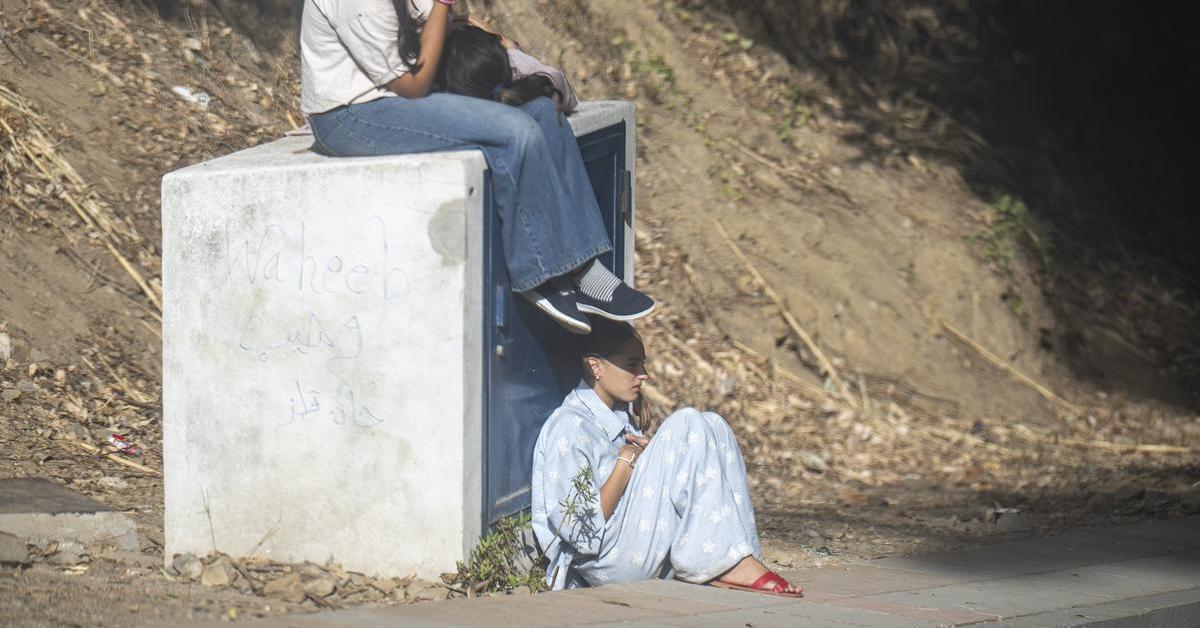
 Diari ARA
The BBC also quoted emergency doctor Susana Ascaso saying her department at Ceuta University Hospital had treated several sexual assault victims, including one who was just 10 years old.
In the same BBC report, Economy Minister Carlos Cuerpo said a multi-million euro aid package had been approved by the cabinet to provide essential services and cover care for unaccompanied children, while the conservative mayor Juan Jesús Vivas called on Spaniards to demonstrate across mainland Spain in support of Ceuta.
Policy response and vulnerability
Spanish prosecutors’ data described a breakdown of victims and suspects, with the BBC saying the suspected attackers included four Moroccans, three Spaniards and a Belgian, and that between 1,400 and 1,600 of the estimated 5,000 migrants still in Ceuta were children.
“”We can’t do anything unless these people leave””
BBC
In the same BBC report, Silvia Rojas said the influx had led to an exponential increase in sexual assault and that many victims did not file a report, while the Spanish Society of Epidemiology said the border crisis highlighted the difficulty of detecting and tackling violence against migrant women and girls.
The BBC also reported that Sánchez called the second meeting of his national security council in a week on Tuesday to tackle the issue, and that Economy Minister Carlos Cuerpo said the cabinet had approved a multi-million euro aid package to help provide essential services and cover care for unaccompanied children.
The BBC further said the hard-right Vox party accused Sánchez of not having “lost control of Ceuta – he has handed it over,” while Arantxa Campos of the Ceuta Employers’ Confederation said, “We can’t do anything unless these people leave” and that the government had no plan and no timeline for screening.