
by croatiaweek
September 2, 2026
in
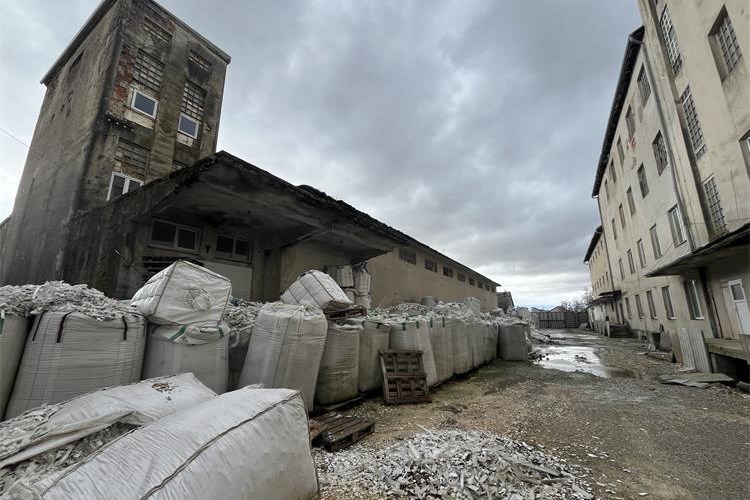
(Photo: Ministry of Environmental Protection and Green Transition)
GOSPIĆ, 2 September 2026 – The Croatian Government is moving to accelerate the cleanup of a major illegal waste site in Gospić, with authorities preparing to remove tens of thousands of tonnes of buried material and other waste from the site.
Prime Minister Andrej Plenković met in Gospić on Wednesday with representatives of relevant institutions, the Environmental Protection and Energy Efficiency Fund, the State Inspectorate, the Croatian Institute of Public Health (HZJZ), local authorities, healthcare institutions and civic initiatives to discuss the next phase of the operation.
Plenković said the Government understood residents’ concerns and wanted to provide a clear plan for remediation while ensuring the safety of water, soil and air.
The Environmental Protection and Energy Efficiency Fund has selected contractors for the first measures, including covering the waste site to prevent water infiltration and reduce the possibility of any impact on water quality.
A contractor has also been selected to remove waste stored in bags. Around 4,500 tonnes of waste lying on the surface is also being addressed, with offers currently under review.
The largest challenge is the buried ash, estimated at between 32,000 and 33,000 tonnes. Preparations for its removal are nearing completion, with the Government expecting the relevant procedure to be completed within around 20 days once the process begins.
Contracts for covering the buried waste and removing bagged waste are expected to be signed within a maximum of 10 days, according to Plenković.
The waste currently stored in silos is inside an enclosed facility and does not pose an immediate environmental threat, he said, although it will also ultimately be removed and treated.
Plenković also addressed concerns about the potential health impact of the site.
He said HZJZ testing of water from the public water supply has not identified problems that would make it unsafe to drink. He added that PFAS compounds had not been detected in samples taken as part of enhanced monitoring.
HZJZ will continue increased monitoring and regularly publish its findings.
The Government also plans to strengthen Croatia’s wider waste management system, with Plenković pointing to other long-standing sites across the country, including locations containing hazardous waste, that still require remediation.
A criminal investigation into the Gospić case is ongoing against individuals and companies linked to the delivery and disposal of waste at the former PPK Velebit site.
Plenković said those found responsible through court proceedings would be held accountable, while stressing that the outcome of the criminal proceedings could not be prejudged.
The next stages of the Gospić operation will involve covering the waste, preventing further seepage, removing and sorting the material, and disposing of hazardous and non-hazardous waste separately.