Thank you for reading! Letters from Leo is a reader-supported publication and the fastest-growing Catholic community in the country. To receive new posts and support this movement, consider becoming a free or paid subscriber.
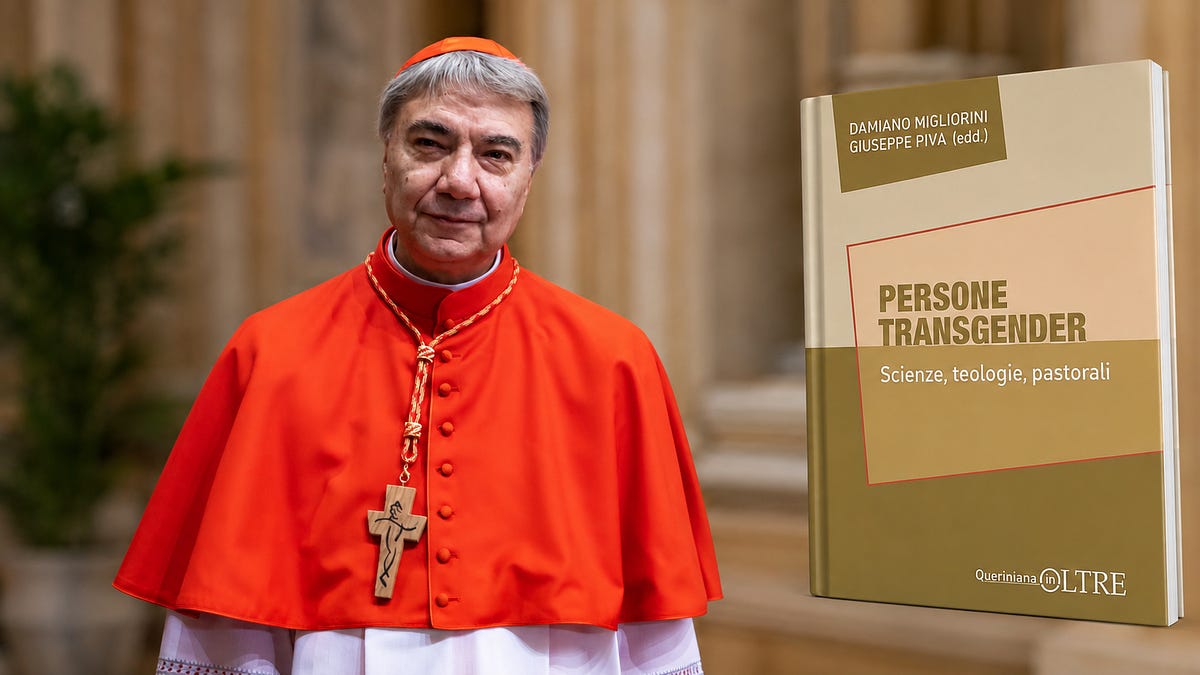
Cardinal Domenico Battaglia of Naples has written the preface to a new Italian book on transgender people, and Outreach, the LGBTQ Catholic ministry founded by Father James Martin, published the English translation on Thursday.
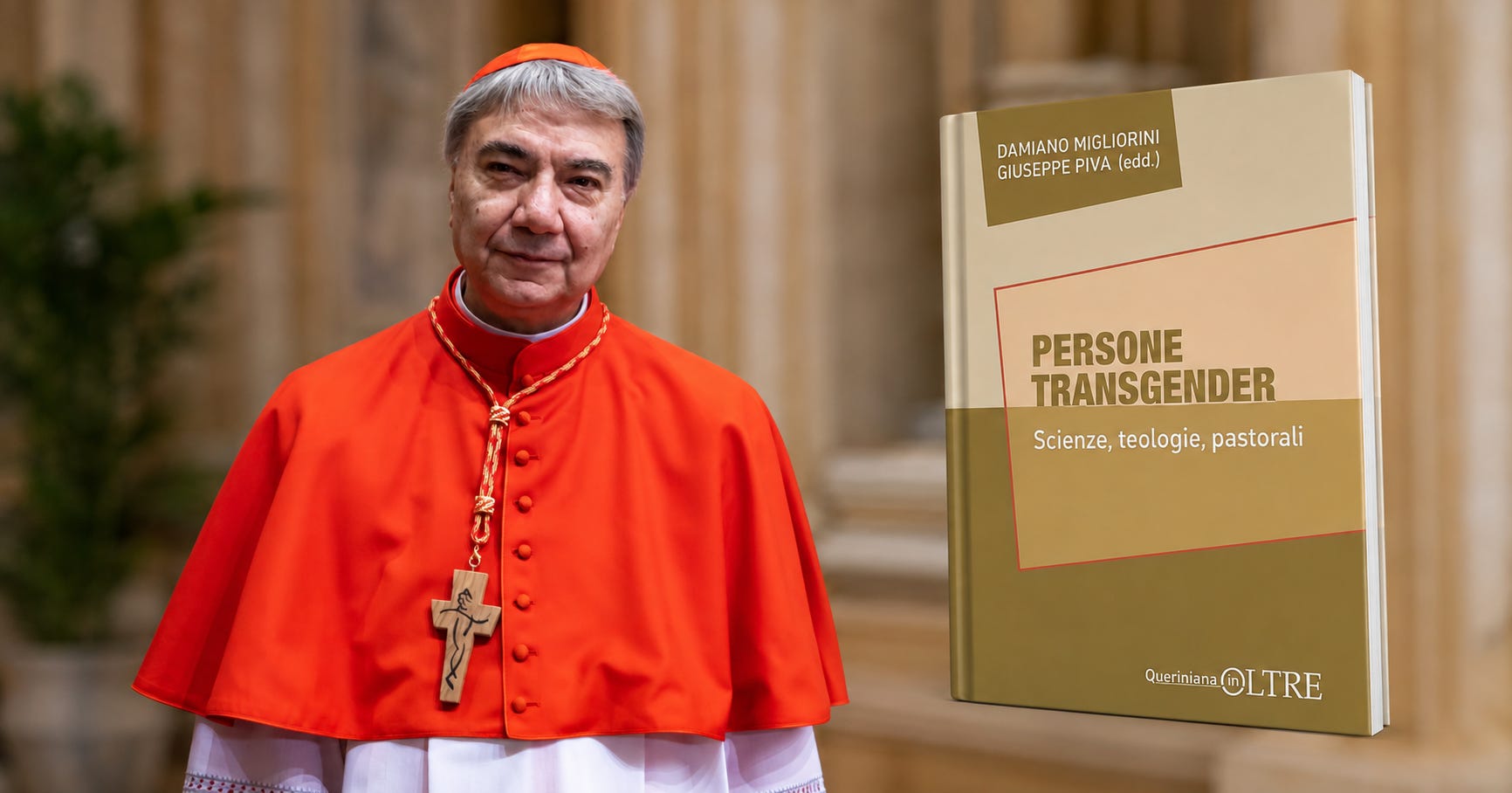
The book, Persone transgender: Scienze, teologie, pastorali, was edited by the philosopher Damiano Migliorini and the Jesuit Giuseppe Piva and released September 1 by Queriniana, the Catholic publishing house in Brescia.
“No one is excluded from the heart of God,” Battaglia writes. “No life is foreign to the mystery of salvation.”
Battaglia is 63, a Calabrian who spent the first decades of his priesthood running drug-recovery communities before Pope Francis made him a bishop in 2016, sent him to Naples in December 2020, and gave him a red hat on December 7, 2024, at the last consistory of Francis’s life.
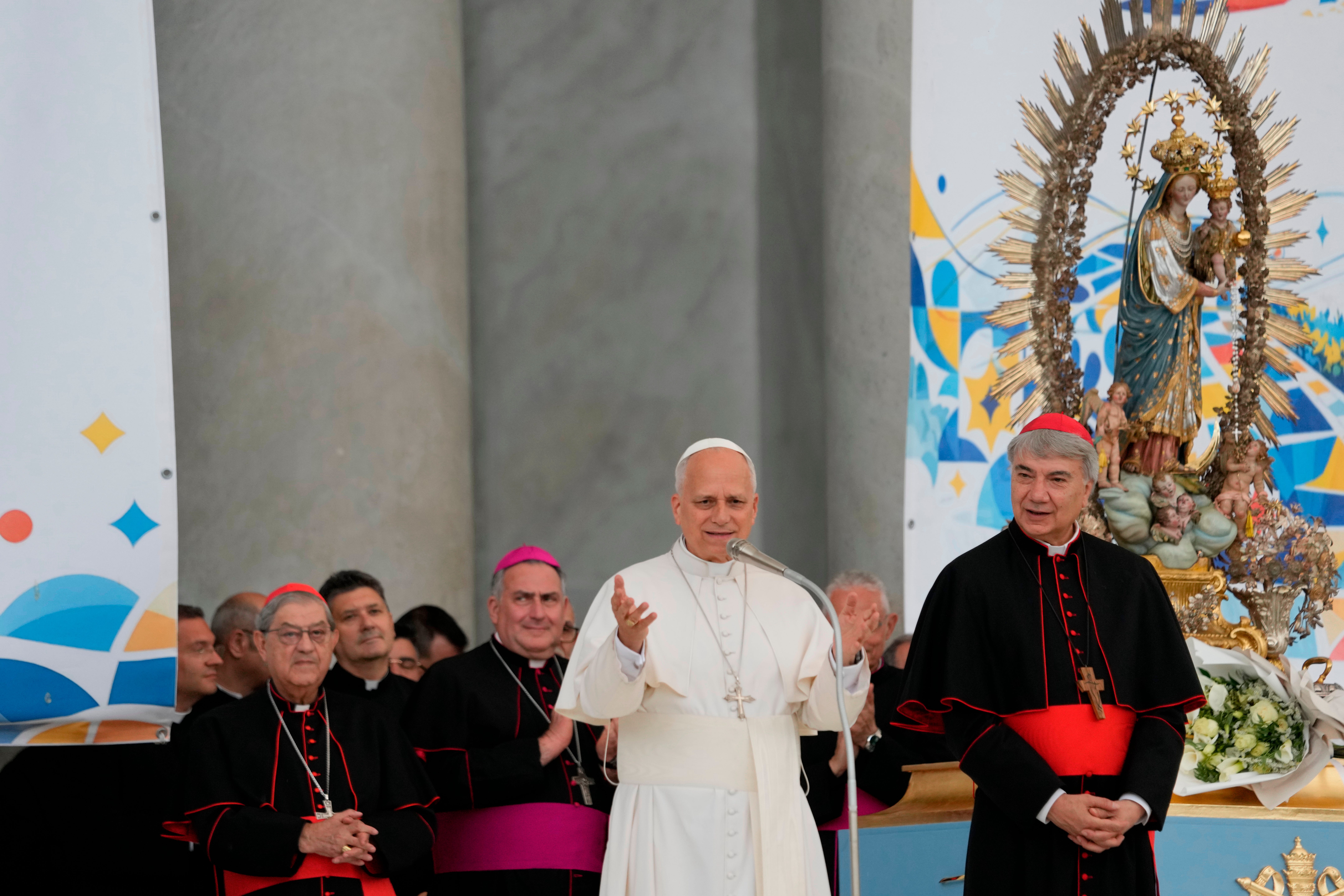
Neapolitans call him Don Mimmo, and the nickname the Italian press gave him years ago, the Bergoglio of the South, has followed him into the College of Cardinals. He voted in the conclave that elected Leo XIV, and on May 8, the first anniversary of that election, he was the man waiting when the pope’s helicopter landed in Naples.
The preface changes no teaching, and Battaglia is careful to say so.
Dignitas Infinita, the Vatican’s 2024 declaration on human dignity, said any sex-change intervention “risks threatening the unique dignity the person has received from the moment of conception.”
Rather than argue with the document, Battaglia writes around it. “It is not a matter of taking hasty positions,” he says, describing instead “a path that is not one of judgment, but one of accompaniment.”
The line he wants readers to carry out of the book is shorter: “before ideas, there are people. People to meet, to listen to, to accompany.”
The temptation is to file this as one progressive Italian cardinal writing a kind foreword. The record of the past year (much of it reported first in these pages) says something else is going on.
In July 2025, two months into the pontificate, Leo’s doctrinal chief confirmed that blessings for same-sex couples would stay in place. In August, the Vatican announced it would host the reform group We Are Church, the first time an LGBT Catholic delegation had been invited in that form; as I wrote then, the welcome in Rome arrived while rights for LGBT Americans were sliding at home.
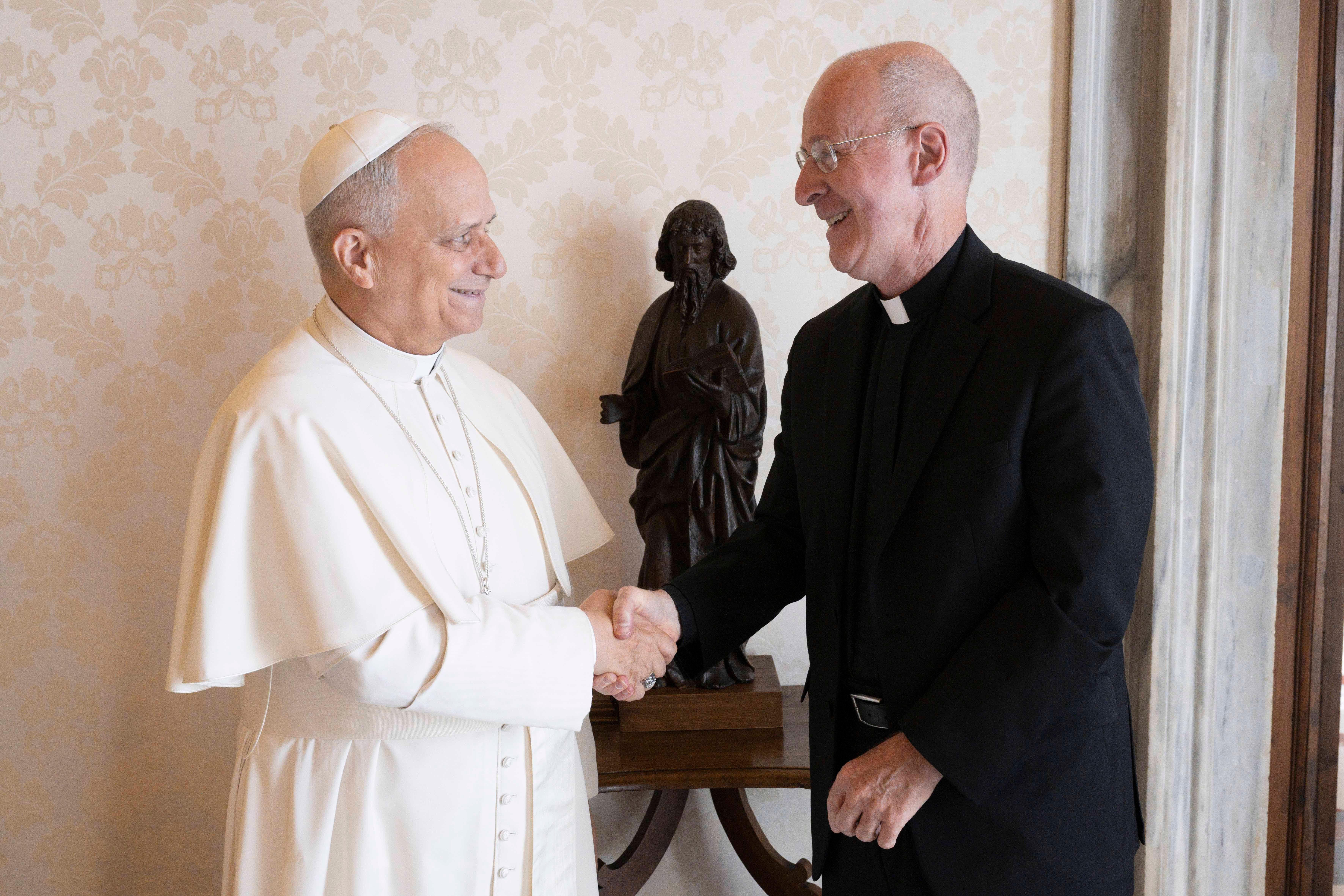
On September 1, Leo received Father Martin in a private audience.
The next day he received Sister Geneviève Jeanningros, the nun who brought transgender women to Francis’s table for years. That Saturday, 1,200 LGBT Catholics walked through the Holy Door of St. Peter’s on a pilgrimage that sat on the Vatican’s official Jubilee calendar.
In November, Alessia Nobile, a transgender Catholic from Bari whom Francis had befriended, ate at the Jubilee of the Poor lunch alongside other trans women; she handed Leo a letter on behalf of the transgender community, and he answered with a smile.

The letter, in translation:
“Dear sister,
“Thank you so much for your email. It moved me. I agree with you about the problem of prejudice. It does so much harm!
“In the eyes of God, we are all his children, and that is what counts! We have a Father who loves us, who is near to us with compassion and tenderness. To everyone, no one excluded. That is precisely God’s style: closeness, compassion, tenderness.
“I pray for you; please do the same for me. May the Lord bless you and Our Lady keep you.
“Fraternally, Francis.”
In December, Leo sent Ramón Bejarano, a San Diego auxiliary who had once apologized to LGBT Catholics, to lead the Diocese of Monterey.
In January, he removed one of his own masters of ceremonies days after a hot mic caught the priest using an anti-gay slur during the Christmas greetings to the Curia.
Then came the spring. On April 23, flying home from Equatorial Guinea, Leo told reporters that “the unity or division of the church should not revolve around sexual matters,” and that justice and religious freedom, among other questions, “would all take priority before that particular issue.”
On May 5, the Vatican published the final report of Study Group 9, which for the first time in a Vatican document let two gay men speak in their own words.
On June 20, in Gaston Hall at Georgetown, Cardinal Robert McElroy of Washington celebrated the vigil Mass of the Outreach conference with Father Martin at his side and told the room that “in a Church which has so frequently wounded the LGBT community through judgmentalism and exclusion, we should find great hope.”
Sexual sins, McElroy said, had been condemned “with an ardor that effectively places them in the eyes of many believers as the core moral obligation of Christians. This is utterly false to the Gospel of Jesus Christ.”
On August 11, Leo named fifteen new consultors to the Vatican’s office for religious life, among them voices on record for LGBT Catholics and for putting women’s ordination on the table.
Set Battaglia’s preface at the end of that list and it looks like the work of a cardinal who knows what his pope will tolerate.
Leo arrived in Rome with a mixed record. As bishop of Chiclayo, Robert Prevost opposed a Peruvian government plan to teach gender in schools, calling “the promotion of gender ideology” confusing. His statement of principle as pope came to
Elise Ann Allen, in the interviews that became her biography of him: “Everyone’s invited in, but I don’t invite a person in because they are or are not of any specific identity. I invite a person in because they are a son or daughter of God.”
Battaglia takes that sentence to its root: the incarnation.
The stories in the book, he writes, carry “the revelation of a God who draws near, who allows himself to be touched, who dwells in wounds, who does not fear the fragile flesh of the children of man. For he took on that flesh, lived it and transfigured it.”
A Church that believes God became an embodied human person has no theological ground for treating any body as a problem. Battaglia’s word for what the Church owes that body instead is accompaniment, and the argument behind it is older than any declaration from any dicastery.
He ends with an image every Catholic knows: “a Church that never ceases to be a mother. A mother who accompanies, who listens, who protects.”
In the United States, where transgender people have spent the past several years as the raw material of attack ads and executive orders, the image lands as a rebuke, whether or not Battaglia meant it as one.
The lesson of the year is that Leo does not announce this work. He receives the people who do it, appoints them, declines to fire them when the outrage arrives, and lets a cardinal in Naples put his name on a book called Transgender People.
A pope governs by whom he welcomes, and this one has been consistent since July of last year. The Church Battaglia describes, the mother who sets out on the journey with everyone, is the Church Leo is building one day at a time.
At Letters from Leo, we stand with Cardinal Battaglia, with Alessia Nobile, with the 1,200 pilgrims who walked through the Holy Door, and with every Catholic who has been told there is no room for them in the house their baptism gave them.
We believe what Battaglia believes, that before ideas there are people, and that no one is excluded from the heart of God.
In an era when the powerful treat human beings as wedges and warnings, we remain rooted in a faith that begins with the body God chose to take on, wounds included.
This is the fastest-growing Catholic community in the country because people are hungry for a Church that meets them at the door rather than at the tribunal.
They want accompaniment and honesty, a mother who sets out on the road with everyone; with the synod’s assemblies now on the calendar for 2027, that hunger is being answered in real time, and it needs witnesses.
If you believe this movement matters — Catholics and people of goodwill standing for the dignity of every son and daughter of God — I am asking you to join us.
If you’d like to invest in our mission, here are three ways you can help:
Subscribe as a paid member to receive exclusive posts about the life and formation of Pope Leo and help sustain this newsletter.
Donate with a one-time gift to fuel this project’s mission.
Share this post (and Letters from Leo) with a friend who might enjoy it.
Paid members receive the full biographical series on Pope Leo’s life and formation, from Chicago to Chiclayo to the conclave, along with the Sunday Scripture Reflection Series and every investigation we publish behind the paywall.
Whether you give $0, $5, $50, $500, $1,000, or more, your presence here matters — no matter your faith or your politics.
Thank you for reading. I’ll see you on the road.
