The labor market is proving to be more resilient than many people thought. It may result in a headwind for the stock market.
The U.S. economy added 162,000 new jobs in August, according to the monthly report issued Friday by the Bureau of Labor Statistics. That’s about triple the 53,000 new jobs economists predicted.
Missed Nvidia in 2009? This Rare Signal Is Flashing Again. In 2009, a “Double Down” signal flashed for a little-known chipmaker called Nvidia. For the first time in years, that same “Total Conviction” signal is flashing for a company 1/100th the size of Nvidia. Continue »
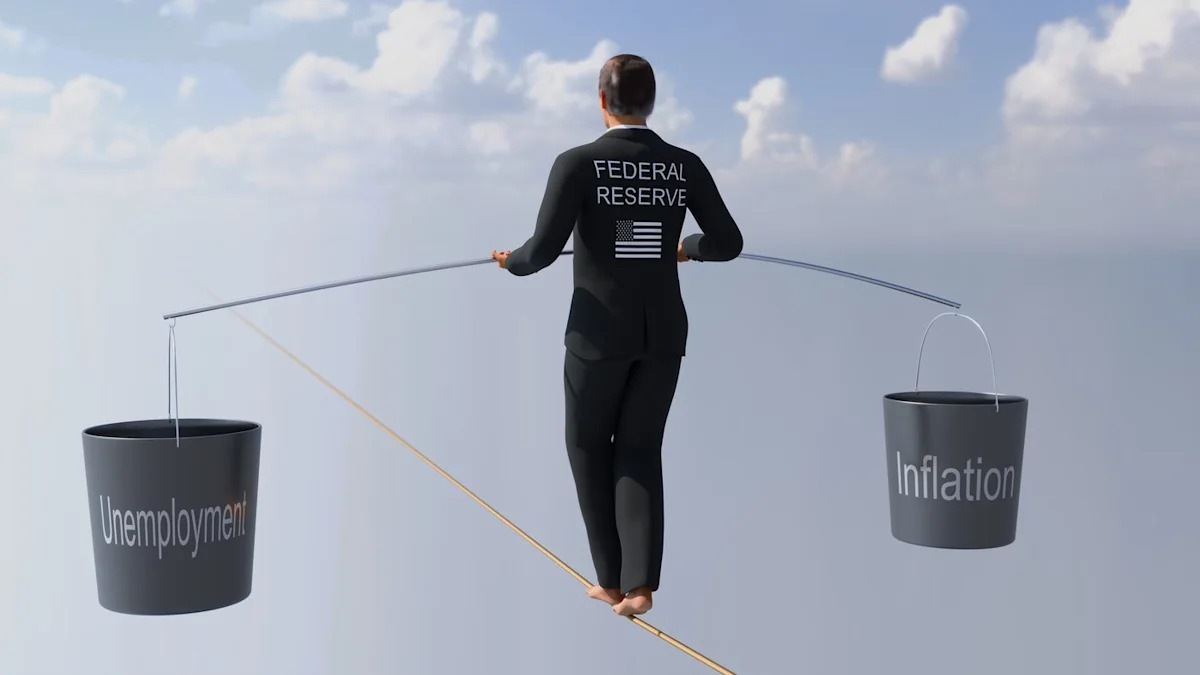
So, the question everyone on Wall Street is now asking is: What does that mean for the Federal Reserve, which will meet mid-month (Sept. 15 to 16) to discuss monetary policy and decide whether to change its current target interest rate?
Both futures traders and bond investors see a rate hike as more likely
The futures market now assigns a 59.4% probability that the Fed will raise its target rate by a quarter percentage point at the upcoming meeting. That’s up from 49.4% before the jobs report came out. Futures traders see a 44% chance that the Fed will increase that rate again by year’s end.
Two-year Treasury yields, which are most sensitive to expected Fed policy, also climbed in response to the jobs report, indicating that, like the futures market, the bond market expects the U.S. central bank to hike rates.

Image source: Getty Images.
That could be a headwind for stocks, as they tend to perform worse when the Fed is hiking rates (though rate hikes affect sectors in different ways and to varying degrees, of course). That’s because higher rates mean increased interest costs for businesses, eroding their bottom lines. It also means higher borrowing costs for consumers, and that could put a dent in consumer spending, which accounts for about two-thirds of GDP.
And indeed, the stock market reacted negatively to the jobs report on Friday, with the S&P 500 index down about 0.4% as investors assumed that the unexpected strength in the labor market means the Fed can worry less about its mandate for maximum employment (which often requires rate cuts) and can instead focus on bringing down elevated inflation (which requires rate hikes). Put more simply, the thinking on Wall Street is that the Fed can comfortably hike rates in September and succeeding months without worrying about damaging the labor market.
All that said, we’re in a more complicated rate environment right now, and the Fed is not the only driver of interest rates. Bond investors, unhappy with rising U.S. government debt (it just exceeded $40 trillion) and elevated inflation, have been selling long-maturity Treasury bonds in recent months, sending yields — which move in the opposite direction of prices — higher. And many borrowing rates, including mortgage and car loans, are based on those yields.